
From a Small Workshop in China to Global Giant: Anta's Long Road Challenging Nike
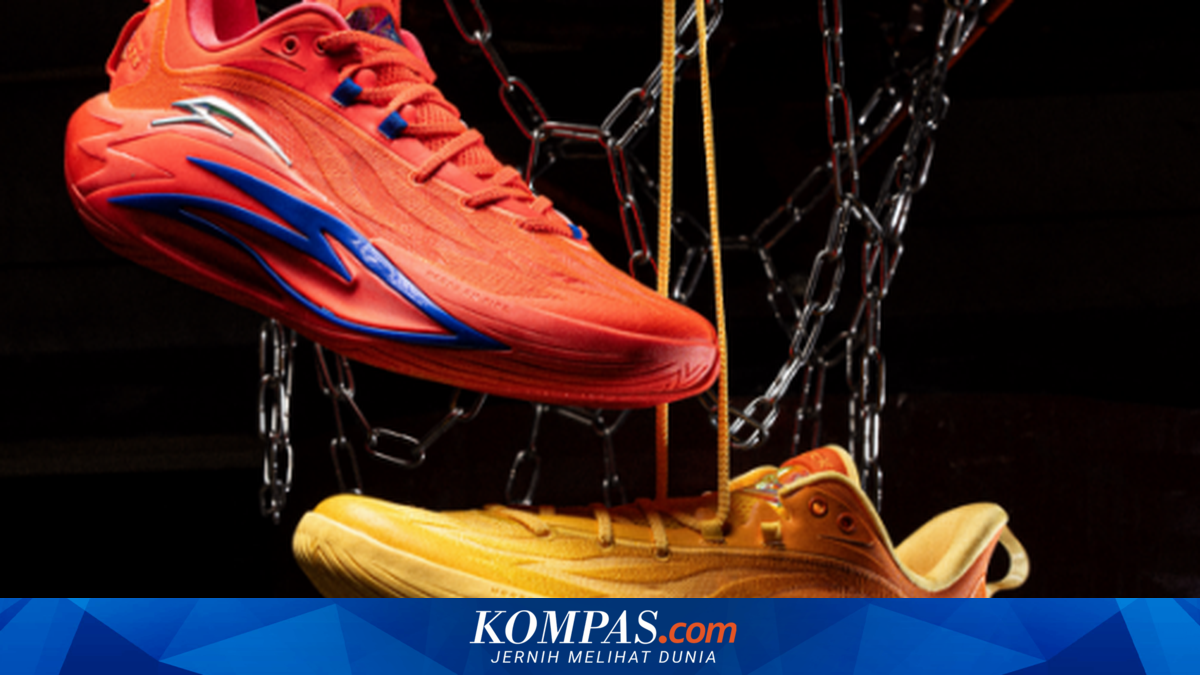
The journey of Anta reflects the significant transformation of China’s manufacturing industry, from a production base to a global player challenging Western brands.
This story began in the late 1980s. A school dropout teenager, Ding Shizhong, arrived in Beijing carrying 600 pairs of shoes. He sold them to raise capital, then opened a small workshop producing footwear for other companies.
That step became the foundation of Anta. This sports equipment company now has a portfolio of international brands such as Arc’teryx and Salomon. Anta also acquired shares in Puma and began challenging the dominance of Nike and Adidas.
Ding has set a vision from the start.
“We do not want to be China’s Nike, but the world’s Anta,” said Ding, as quoted by BBC on Monday (27/4/2026).
Anta’s position in the domestic market is very strong. The company has more than 10,000 stores in China. Anta also sponsors top athletes, including freestyle skier Eileen Gu.
Expansion into the global market continues. In February, Anta opened its first store in the United States, specifically in Beverly Hills, Los Angeles. This step marks Anta’s entry into the Western market.
Jinjiang has changed from an agricultural area into a major manufacturing cluster. Thousands of factories and suppliers are concentrated in this region, including in Chendai with an area of around 40 square kilometres.
This ecosystem includes suppliers of raw materials, component manufacturers, to logistics networks. The cluster model accelerates production and reduces costs.
United Nations data records that Fujian contributed nearly one-fifth of the world’s shoe production in 2005.
Professor Fei Qin from the University of Bath assesses that this cluster provides significant learning effects.
“They learn not only how to make more, but also how to produce better, faster, and more consistently,” said Qin.
Anta utilises this ecosystem. The company initially produced cheap shoes in large quantities for global brands. After that, Anta began building its own brand through wide distribution and sports partnerships.
Branding consultant Wei Kan considers this step crucial. The company sees greater value in being a brand rather than just a producer.
Anta’s main strategy relies on acquisitions. The company bought the Fila brand rights in China in 2009 and made it a main source of revenue.
In 2019, Anta acquired a majority stake in Amer Sports, which oversees Arc’teryx and Salomon. The company also owns Wilson, an American sports equipment manufacturer used in the National Basketball Association or NBA.
This year, Anta bought 29 percent of Puma shares.
IMG analyst Rufio Zhu assesses that this multi-brand strategy is effective. Anta uses Western brands as an entry point into the global market.