
From 2027, Coal and Palm Oil Exports Must Undergo DSI Checks
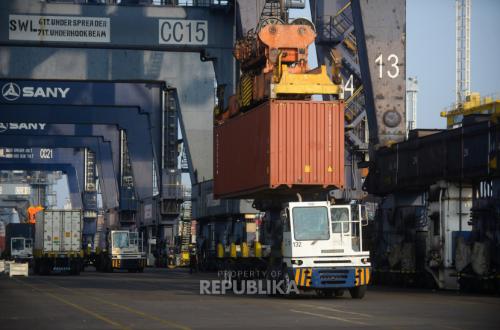
JAKARTA — Coal, palm oil and ferroalloy exporters will undergo an additional inspection process by PT Danantara Sumber Daya Indonesia (DSI) from 1 January 2027. The checks will take place after all licensing procedures at the Ministry of Trade have been completed and before export documents are forwarded to the customs authority.
Trade Minister Budi Santoso said the additional step forms part of changes to the governance of strategic natural resource exports, under which DSI will act as the sole intermediary. Despite the extra checks, exporters’ existing licensing and trading arrangements will remain in place.
“So, in fact, nothing is changing at all. What is changing, or what will be added, is that once licensing is complete — after all the Ministry of Trade permits have been obtained — you will go through the clearance process conducted by DSI,” Budi said at a socialisation event on the Natural Resource Export Proceeds (DHE SDA) policy and governance of strategic natural resource exports in Jakarta, as quoted on Saturday (7 November 2026).
Budi said the DSI checks would apply to three commodity groups: coal, palm oil and ferroalloys. Exporters must still meet all applicable requirements before their trade documents enter DSI’s inspection system.
Palm oil exporters must continue to comply with the domestic market obligation (DMO). Coal exporters must meet the requirements of the Work Plan and Budget (RKAB), while ferroalloy exporters must comply with the surveyor report (LS) rules.
Budi stressed that these obligations would not be transferred to DSI. Exporters will also retain the authority to negotiate, agree contracts and transact directly with buyers in international markets.
“This means that you, as exporters, will continue operating as you do now. When you negotiate and transact with buyers, the relationship between exporters and buyers will remain the same,” he said.
The government has reviewed the implementation of Government Regulation No. 24 of 2026 several times since it took effect on 1 June 2026. The reviews provided the basis for changing DSI’s role to that of sole intermediary and adjusting trade regulations.
The Ministry of Trade will revise Trade Ministry Regulations No. 15 of 2026 on coal, No. 16 of 2026 on palm oil and No. 17 of 2026 on ferroalloys. The amendments are being prepared to support the new export mechanism at the start of 2027.
Coordinating Minister for Economic Affairs Airlangga Hartarto said DSI would inspect trade contracts, draft export declarations (PEB) and other transaction documents before they are sent to the customs authority.
“Once the draft PEB documents have passed, DSI will grant approval for them to be sent to the Customs and Excise digital system, CEISA,” Airlangga said.
All export document preparation and submission will be conducted digitally through DSI’s NADI portal. The system is connected to CEISA, operated by the Directorate General of Customs and Excise, and the Indonesia National Single Window System (SINSW).
Under the new mechanism, DSI will carry out pre-clearance checks and post-clearance monitoring. Customs inspections and services will remain the responsibility of the relevant authorities.
DSI President Director Luke Mahony said the NADI portal was designed to check the consistency of trade transaction information. This includes contracts, prices, volumes, commodity quality and goods classifications under the Harmonized System (HS) codes.
The system will also match shipment data against the receipt of export proceeds. DSI will use an independent, market-based methodology to assess the consistency of transactions after exports have taken place. If discrepancies are found, exporters will be asked to explain them.
In preparation for the system’s launch, DSI has tested the NADI portal with 50 exporting companies and has begun involving 50 more. The 100 companies taking part in the trials represent around 50 per cent of the value of commodities covered by the policy. The tests have also involved around 340 trade contracts.
DSI has scheduled a technical briefing for exporters on 15 November 2026 and will open registration through the NADI portal on 15 December 2026. The system is expected to begin operating on 1 January 2027, with the aim of strengthening transparency and oversight of strategic natural resource exports without changing commercial relationships between exporters and buyers.
Source: jawawa.id (https://jawawa.id/newsitem/from-2027-coal-and-palm-oil-exports-must-undergo-dsi-checks-1794037897)
Originally published by Republika (https://ekonomi.republika.co.id/berita/to4aqu416/mulai-2027-ekspor-batu-bara-dan-sawit-harus-lewat-pemeriksaan-dsi), translated from Indonesian