
Frequently Used Kitchen Sponges Found to be a Source of Microplastic Pollution in Homes
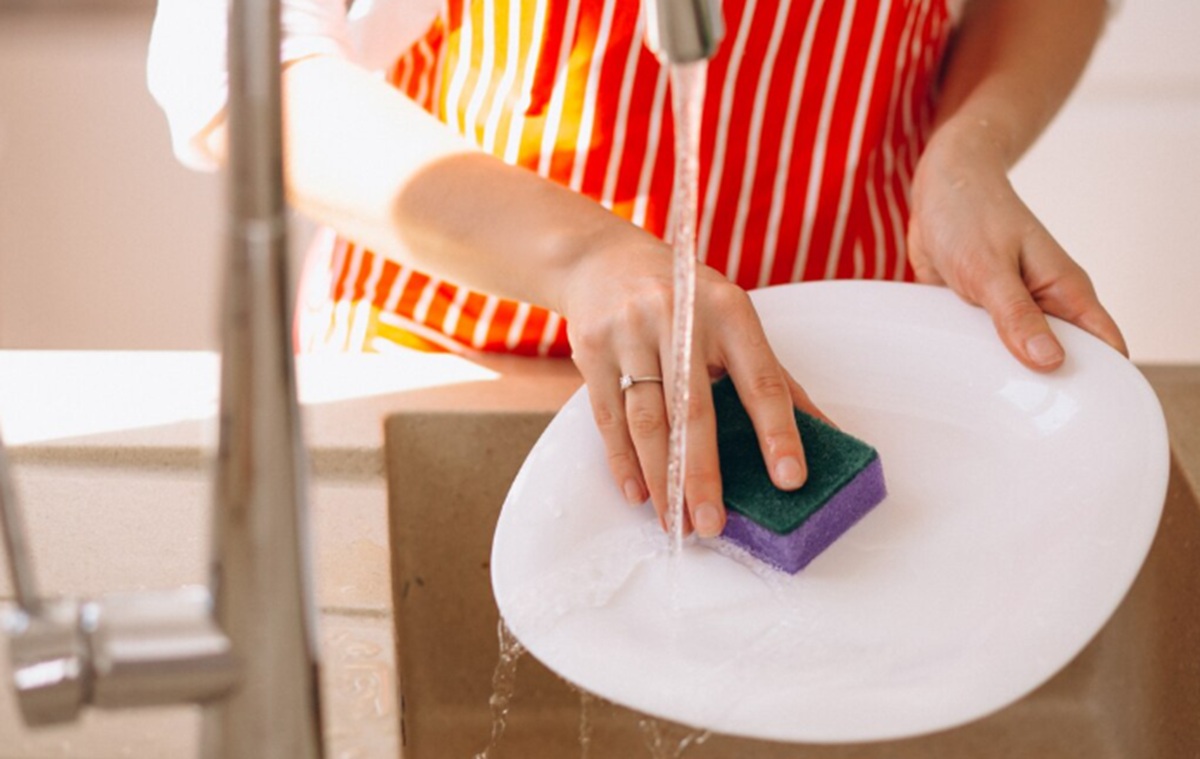
Kitchen sponges are a staple in almost every household. However, these cleaning tools have been identified as a source of microplastic pollution that is often overlooked. A recent study led by researchers at the University of Bonn, Germany, tested the amount of small plastic particles released from sponges during daily dishwashing and their subsequent environmental impact.
The research findings indicate that kitchen sponges do indeed release measurable amounts of microplastics over time as they erode during use. Nevertheless, researchers found that the greatest environmental burden from manual dishwashing activities is not these plastic particles, but rather water consumption.
To gather accurate data, the research team combined laboratory testing with citizen science methods. Several households in Germany and North America voluntarily used one of three types of sponges for their dishwashing routines while documenting their usage. Researchers weighed each sponge before and after use to determine the amount of material lost. They also conducted controlled laboratory experiments using an automated testing system called “SpongeBot” to simulate the mechanical pressure experienced by sponges during dishwashing.
The study found that every sponge tested lost material during use. Depending on the type of sponge, annual emissions ranged from 0.68 grams to 4.21 grams per person. Sponges with lower plastic content released significantly fewer particles than those with high plastic content.
Although the amount of microplastics released by a single sponge appears small, the figure becomes massive when accumulated on a national scale. Researchers estimate that if a specific type of sponge were used in every household in Germany, annual emissions could reach 355 tonnes of microplastics. Although wastewater treatment plants are capable of capturing most of these particles, several tonnes of microplastics are estimated to escape every year, contaminating rivers, lakes, oceans, and soil.
Despite this, microplastic emissions are not the primary driver of ecosystem damage in this study. A life cycle assessment showed that approximately 85% to 97% of the total environmental impact of manual dishwashing actually stems from water consumption. Compared to water usage, microplastic emissions contribute a much smaller portion to the overall ecosystem damage.
Through these findings, researchers shared practical steps for consumers to reduce their environmental footprint when washing dishes, noting that environmental success in the household is measured not only by the type of sponge chosen but also by how wisely we manage water flow at the kitchen sink.