
Frequently Raided, Here’s Why Masseurs Are Banned on Malioboro
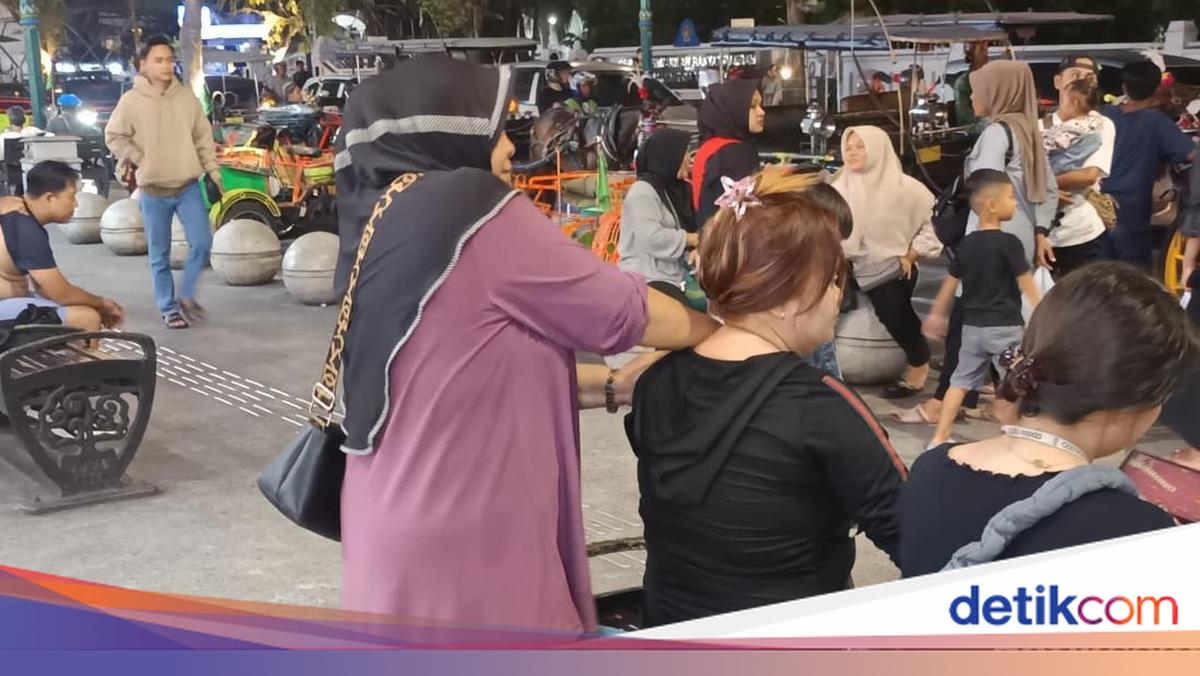
Yogyakarta City Government continues efforts to enforce regulations in the Malioboro area. Not only street vendors, smokers, and satay sellers are being regulated, but also masseurs offering their services in the Malioboro pedestrian zone.
Head of the Cultural Heritage Area Management Unit of the Yogyakarta City Culture Office, Fitria Dyah Anggraeni, explained that these masseur services not only violate Malioboro pedestrian rules but have also been frequently complained about by visitors.
“So, complaints about these masseurs have been received several times directly, including some about the unpleasant smell, the odour of the massage oil,” explained Anggi, her nickname, when contacted on Wednesday (22/4/2026).
“The massaging actions sometimes include scraping. So it’s not pleasant to see. That’s why we reprimand them,” she continued.
Anggi said that her side has routinely conducted raids to drive away these masseurs so they do not operate in the Malioboro pedestrian area. However, masseurs still appear.
“The challenge is that massage tools are just oil or lotion or cream, they sometimes put them in bags, then sit like visitors. So it’s hard to identify,” she explained.
“On the pedestrian benches, they can easily deceive the officers. Shift a bit, and they’re massaging someone again, like that,” Anggi added.
Anggi continued that dozens of masseurs have been reprimanded by officers in several raids. After being reprimanded, the masseurs usually comply immediately. However, they still resume activities later or on other days.
According to Anggi, officers are only authorised to drive away, reprimand, and educate these masseurs. They cannot take further action, let alone make arrests.
“Every time we reprimand them, they leave. We haven’t delved deeper into where these masseurs come from, because we don’t have SOPs to check their IDs, like that,” she explained.
“If secured, that’s not our authority. So we’re just reprimanding, and they usually comply when we do,” she continued.
Besides raids, Anggi said that to regulate these masseurs, her side is also continuously educating visitors. She likened it to cutting off supply if there’s no demand. Meaning, masseurs will disappear on their own if there’s no interest from visitors.
Visitors are educated about the rules in the Malioboro Pedestrian area, namely about the use of public space according to its function. If they need a massage, visitors are directed to specific massage places.
“Direct education to visitors that massaging actions are prohibited and if they really want it, we don’t prohibit, but please find a suitable place. Meaning, we educate visitors to find places not in the Malioboro area,” she said.
Likewise for the masseurs, Anggi emphasised that her side does not prohibit massage activities as long as they are not in the Malioboro pedestrian area. Some masseurs, according to her, usually move to the side alleys of Malioboro after being reprimanded.
Her side also does not prohibit if these masseurs operate in the side alleys of Malioboro. In fact, Anggi encourages certified masseurs to open practices around the side alleys of Malioboro.
“I think that’s (certificate) a decent asset to apply to spas, therapies, or even open their own practice. So we encourage opening up views that the potential is not only in Malioboro,” she clarified.
“They can collaborate with places that allow it, or in shops if there’s capital, together open a stall in a shop. So the term is not using public facilities along Malioboro road,” she concluded.