
Frequent eye twitching? Causes and how to manage it
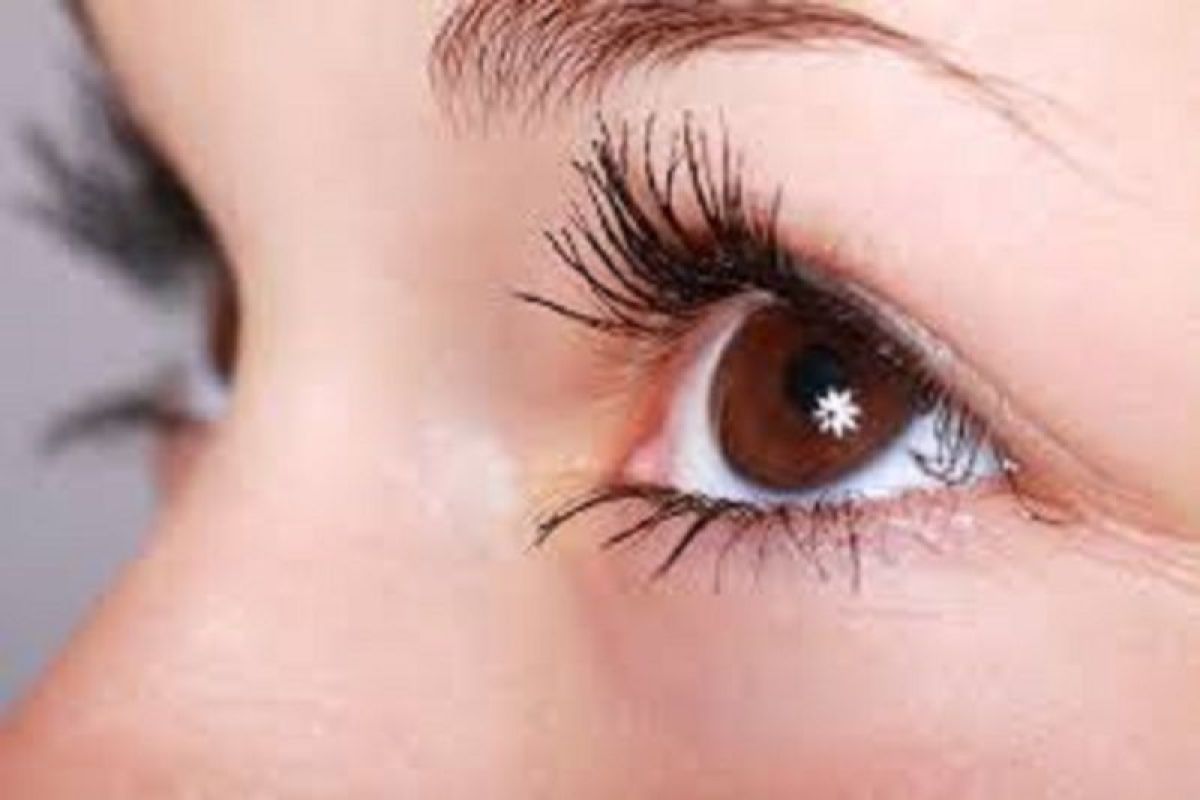
Jakarta (ANTARA) - Eyelids can twitch repeatedly without warning, whether someone is working at a computer, reading or resting. The twitch usually feels like a small, repeated movement in the upper or lower eyelid and can last from a few seconds to several minutes.
The condition is known as eyelid twitching. In medical terms, the most common mild form is called myokymia, an involuntary contraction of the small muscles around the eyelid.
Twitching is generally harmless and may go away on its own. However, recurring episodes can be associated with lack of sleep, stress, excessive caffeine consumption or eye strain after looking at a screen for too long.
Medical information from the Mayo Clinic, updated on 18 January 2025, says eyelid twitching can be triggered by various factors, including fatigue, stress, irritation of the eye’s surface and excessive caffeine consumption. In most cases, the condition improves without specific treatment.
What causes repeated eyelid twitching, and how can it be reduced? Here is an explanation.
Causes of repeated eyelid twitching
Several factors can trigger eyelid twitching. It does not always indicate a particular illness, but the frequency and any accompanying symptoms should be monitored.
1. Lack of sleep and fatigue
Lack of sleep is one factor associated with eyelid twitching. When the body does not get enough rest, fatigue can trigger contractions in the small muscles around the eyes.
This can affect people who often stay up late, work long hours or have irregular sleep schedules.
To help reduce twitching, try to keep a consistent sleep schedule and allow the body enough time to rest.
2. Excessive stress
Work pressures, personal problems and anxiety can affect the body’s responses and trigger muscle twitching, including in the eyelids.
Twitching that occurs during periods of stress is generally temporary. However, if stress continues and is accompanied by lack of sleep, episodes may become more frequent.
Relaxation activities, regular exercise and setting aside time to rest can help manage stress.
3. Consuming too much caffeine
Excessive caffeine consumption can also trigger eyelid twitching. Caffeine is found in coffee, tea, energy drinks and some other beverages.
People’s sensitivity to caffeine varies. Some may experience twitching after drinking several cups of coffee, while others have no similar symptoms.
If twitching often occurs after drinking coffee or other caffeinated beverages, try gradually reducing your intake and see whether the episodes become less frequent.
4. Eye strain from digital devices
Using computers, mobile phones and other digital devices for long periods can cause eye strain. This may be accompanied by dry eyes, discomfort or a feeling of tiredness in the eyes.
Eye strain is one factor that can trigger eyelid twitching. The risk of discomfort may increase when someone works in front of a screen without taking sufficient breaks.
To reduce it, give your eyes regular breaks. One approach is the 20-20-20 rule: every 20 minutes, look at an object about 20 feet (6 metres) away for 20 seconds.
5. Dry or irritated eyes
A dry or irritated eye surface can also be associated with eyelid twitching. This may be caused by dusty surroundings, exposure to wind, wearing contact lenses or spending too long in an air-conditioned room.
In addition to twitching, dry eyes can cause a gritty sensation, soreness or the feeling that there is sand in the eye.
Keeping the eyes moist and avoiding irritants can help ease the symptoms. If they keep recurring, a medical examination is needed to identify the cause.
6. Side effects of certain medicines
In some cases, muscle twitching may be associated with taking certain medicines. If symptoms begin after starting a new medicine or changing the dose, a possible side effect should be considered.
Do not stop taking a prescribed medicine without consulting a doctor. A medical professional can assess whether the medicine is linked to the symptoms and decide on appropriate steps.
These are some of the triggers recognised in medical literature. However, the cause of twitching cannot always be determined from the symptoms alone.
Mild twitching usually improves on its own. The following changes in habits may help reduce how often it occurs.
1. Improve your sleep routine
Try to go to bed and get up at roughly the same time each day. Adults generally need at least seven hours of sleep a night, although individual needs may vary.
2. Reduce caffeine consumption
Keep track of how much coffee, tea and energy drinks you consume each day. If twitching occurs frequently, try reducing your caffeine intake and monitor any changes in your symptoms.
3. Take breaks from digital devices
Avoid looking at a screen continuously for hours. Rest your eyes regularly and adjust the screen brightness to suit the room’s lighting.
4. Manage stress
Make time for a walk, breathing exercises or activities that help the body relax.
5. Address dry eyes, if present
If twitching is accompanied by dryness or a gritty feeling, ask a doctor or pharmacist about suitable eye drops. Avoid using eye medicines without advice, particularly if there is pain or a change in vision.
Eyelid twitching is not always caused by a lack of magnesium or other minerals. Supplements therefore need not be taken routinely just because twitching occurs, without first identifying the cause.
These steps may help ease twitching associated with fatigue or everyday habits. If symptoms do not improve, a medical examination is needed to assess other possible causes.
When should eyelid twitching be checked?
Although it is generally harmless, twitching that lasts a long time or is accompanied by other symptoms should not be ignored.
According to Mayo Clinic health guidance, medical assessment should be considered if twitching does not go away within a few weeks, the eyelid closes completely with each twitch, or a person has difficulty opening the eye.
An examination is also needed if twitching spreads to other parts of the face or body, the eyelid droops, or the eye becomes red or swollen, or produces discharge.
In some cases, twitching may be associated with a movement disorder that requires further assessment. One example is blepharospasm, in which the muscles around the eyes spasm uncontrollably, causing excessive blinking or forceful eyelid closure.
Another is hemifacial spasm, a muscle spasm on one side of the face that can start around the eye and then spread to the cheek or corner of the mouth. This differs from mild twitching, which usually occurs only occasionally.
If twitching is accompanied by changes in vision, sudden facial weakness or other neurological symptoms, seek medical help immediately.
Repeated eyelid twitching is most often associated with everyday factors such as lack of sleep, stress, caffeine consumption and eye strain. Improving sleep habits, reducing triggers and giving the eyes time to rest may help ease the symptoms.
However, if twitching continues for several weeks, becomes more severe or is accompanied by other symptoms, a doctor’s examination is needed to confirm the cause and determine appropriate treatment.
Source: jawawa.id (https://jawawa.id/newsitem/frequent-eye-twitching-causes-and-how-to-manage-it-1794391014)
Originally published by Antara (Indonesian) (https://www.antaranews.com/berita/5846539/mata-sering-kedutan-ini-penyebab-dan-cara-mengatasinya), translated from Indonesian