
French lubricant brand introduces upgrades for two-stroke engines
Jakarta (ANTARA) - French lubricant brand Motul has updated its two-stroke (2T) engine oil line by enhancing the product specifications of Motul 510 2T and Motul 710 2T.
Welmart Purba, Managing Director of PT Motul Indonesia Energy (MIE), stated that Motul continuously adapts to the latest and highest standards to ensure consumers receive better engine protection.
“This update is to ensure consumers obtain more optimal engine protection, consistent performance, and a more comfortable riding experience for both daily use and high-performance needs,” Welngart Purba said in an official statement on Monday.
The primary focus of the update lies in the enhanced product specifications, which now meet the JASO FD M345 standard, one of the highest benchmarks in two-stroke engine lubricant testing. The JASO M345 standard, developed in Japan, is used to measure several critical aspects of 2T lubricants, including lubrication capability, engine cleaning power, reduction of combustion smoke, and carbon deposit control.
In addition to the specification upgrades, Motul is also updating the visual identity of its product packaging. This change follows global brand identity guidelines and will be implemented gradually through stock replacement mechanisms across the distribution network.
Within the updated product line, Motul 510 2T is intended for daily use. This product is formulated to help maintain engine component protection while reducing the combustion smoke commonly produced by two-stroke vehicles. Meanwhile, Motul 710 2T targets users requiring higher performance. This synthetic ester-based product is designed to provide protection at high engine revolutions and under more demanding riding conditions.
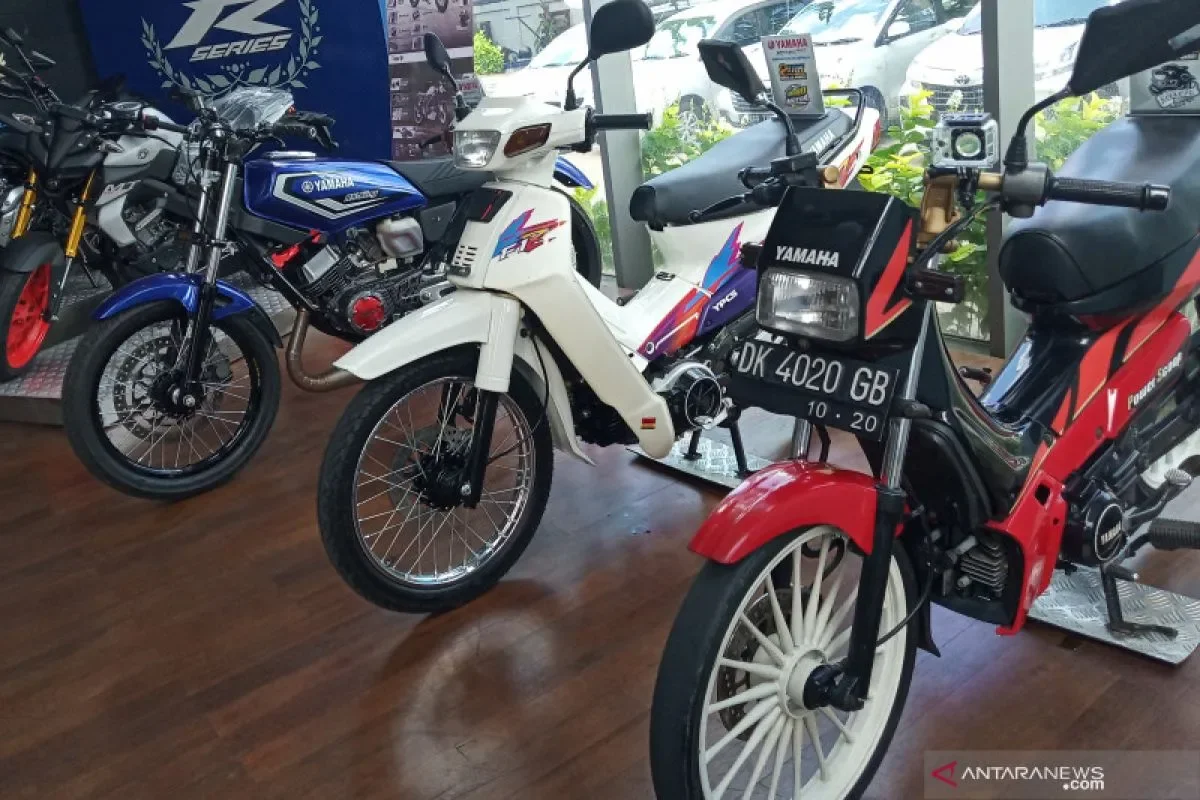
The update to the two-stroke lubricant line demonstrates that although the population of 2T vehicles is not as large as it was several decades ago, the segment remains a focus for lubricant manufacturers. This is particularly true in Indonesia, where two-stroke vehicles are still used by certain communities and automotive enthusiasts who prioritise performance and engine maintenance according to specific technical requirements.