
Free-Range Chicken vs Broiler: Which Is More Nutritious?
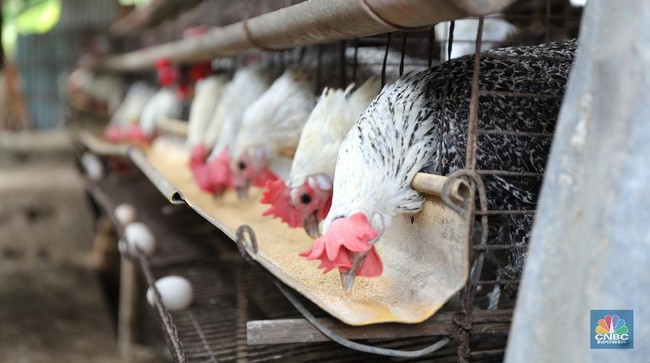
Jakarta, CNBC Indonesia — Free-range chicken has long been considered healthier than broiler chicken. As well as having a firmer texture, it is often seen as more natural because it is generally raised in a free-range system.
So how do the two differ in terms of nutritional content?
Shabrina Dyah Wibawanti, a lecturer in the Department of Livestock Production and Technology at IPB University’s Faculty of Animal Science, explained that the most consistent difference between free-range and broiler chicken is their fat content. Broilers tend to have higher fat levels because they are raised for rapid growth and fed high-energy diets.
“The difference in fat content between the two types of chicken is the combined result of genetics, feed formulation, activity levels and slaughter age,” Shabrina said, as quoted by ipb.ac.id on Sunday (11 October 2026).
Unlike broilers, free-range chickens are generally raised for longer and allowed to roam. Because they move around more, they use more energy for physical activity and tend not to store as much fat as intensively reared chickens.
Which Has More Protein?
Shabrina stressed that free-range chicken is not automatically superior in every nutritional respect. In terms of protein, the levels in the two types are not very different.
“Free-range chicken may have slightly higher protein content, but the difference is relatively small and research findings vary. In practical terms, both can be considered equivalent sources of protein,” she said.
The belief that free-range chicken is healthier is also linked to its firmer texture. According to Shabrina, this is influenced more by muscle-fibre structure and slaughter age, and cannot be used as a direct measure of higher nutritional value.
Shabrina said that free-range chickens are slaughtered at an older age, which means the collagen cross-links in their meat are stronger than in broilers, making the texture firmer and chewier. Meanwhile, vitamin and mineral content, as well as the omega-3 fatty-acid profile, including DHA, are more strongly influenced by the feed consumed during rearing.
The Cut and Cooking Method Also Matter
Shabrina said consumers should consider more than just the type of chicken when choosing what to eat. The cut and cooking method also affect the nutritional content of a meal.
Skinless broiler breast can contain less fat than a free-range chicken thigh with the skin on. Likewise, fried chicken may have more fat because of the cooking oil.
“Choosing chicken based on its nutritional content cannot be determined solely by the type of chicken; other factors must also be taken into account,” she said.
Shabrina concluded that free-range and broiler chicken each have their own characteristics. Those seeking to limit fat intake should choose leaner cuts, such as skinless breast, and prepare them without frying, whether the meat comes from free-range or broiler chicken.