
Free-range Chicken Healthier Than Broilers: Myth or Fact?
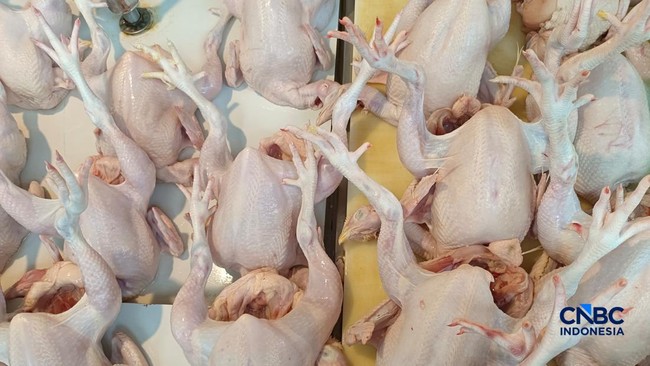
Free-range chicken (Ayam Kampung) is often considered healthier and more nutritious than broiler chicken. Reasons for this perception include its denser meat texture and the generally more natural way in which it is raised. However, is free-range chicken truly superior in terms of nutritional content?
Shabrina Dyah Wibawanti, a lecturer from the Department of Animal Production and Technology, Faculty of Animal Science at IPB University, stated that one of the most consistent differences between free-range and broiler chickens lies in their fat content. She explained that broiler chickens tend to have higher fat levels because they are raised for rapid growth using high-energy feed.
“The difference in fat content between these two types of chicken is a result of a combination of genetic factors, feed formulation, activity levels, and harvest age,” said Shablarina in a statement, as quoted from IPB University on Wednesday (7/10/2026).
Meanwhile, free-range chickens are generally raised for longer periods using a free-range system. Higher physical activity causes these chickens to use more energy, meaning they tend not to store as much fat as chickens raised in intensive farming environments.
What about protein content?
Free-range chicken is not automatically superior in all nutritional aspects. In terms of protein, the content of free-range and broiler chickens is relatively similar.
“Free-range chicken may have slightly higher protein content, but the difference is relatively small and research results vary; therefore, practically, both can be considered equal as protein sources,” explained Shabrina.
The denser texture of free-range chicken does not necessarily mean higher nutritional value. Shabrina assessed that this texture is more influenced by muscle fibre structure and the age at harvest.
Free-range chickens are usually harvested at an older age, so the collagen cross-links in the meat are stronger compared to broilers. This condition makes the meat of free-range chicken feel denser and chewier.
Meanwhile, the content of vitamins, minerals, and even the omega-3 fatty acid profile, such as DHA, is more heavily influenced by the type of feed consumed by the chicken during its rearing period.
Choosing chicken considered healthier is not enough by only comparing free-range and broiler varieties. The part of the meat consumed and the cooking method also need to be considered, said Shabrina.
For example, skinless broiler chicken breast can have lower fat content compared to free-range chicken thighs that still include the skin. Cooking methods can also alter the fat content of the food. Fried chicken, for instance, can have higher fat content due to the use of oil during the cooking process.
“Determining the choice of chicken based on nutritional content cannot be based solely on the type of chicken, but other factors must also be considered,” revealed Shabrina.
Thus, both free-range and broiler chickens can serve as protein sources. For those looking to limit fat intake, Shabrina suggests choosing lower-fat parts, such as skinless breast, and avoiding frying as a cooking method.