
Free Nutritious Meals: Upholding the Dignity of School-Age Children
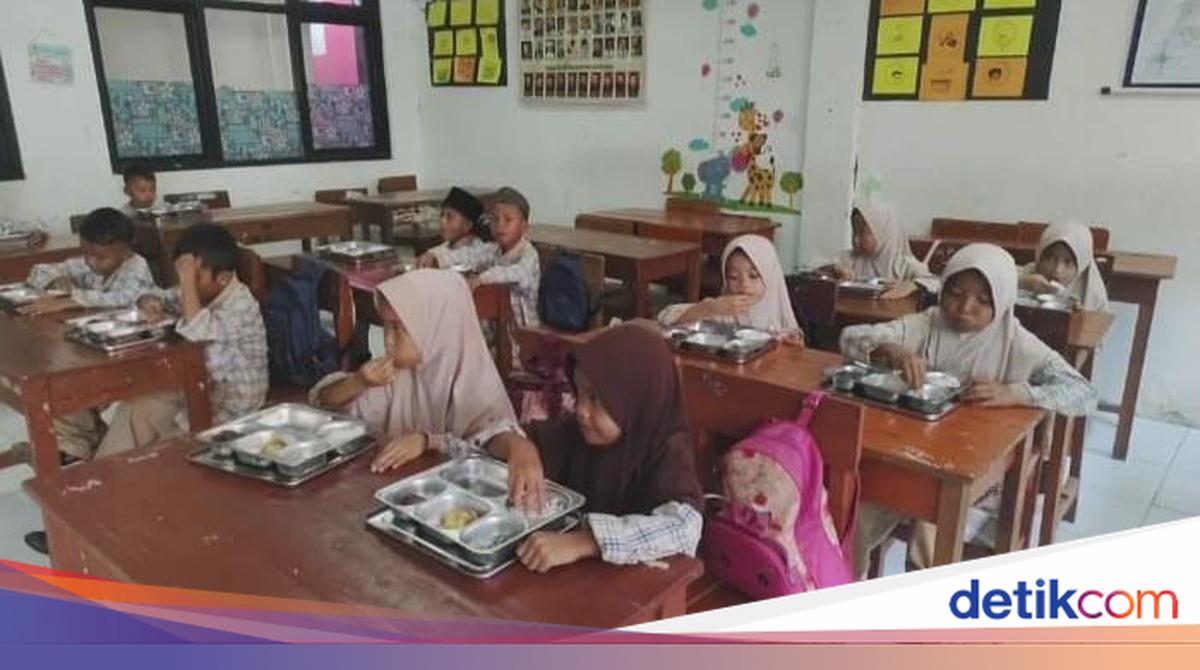
The Free Nutritious Meals (MBG) programme, a populist initiative rooted in the desire to manifest respect for human dignity, should essentially shape a positive public perception regarding the government’s care for the physical and mental health of the younger generation. It is deeply regrettable that the management leadership of the National Nutrition Agency (BGN) did not fully focus on respecting human dignity and building a positive image for the government. This tendency prompted President Prabowo Subianto to correct the BGN’s management. Following reports of mass food poisoning among students, inedible menu items, rejections by several schools, reckless budget utilisation, and indications of corruption, the BGN leadership was replaced, arrested, and is now facing legal proceedings. After the replacement and detention, elements within the BGN indirectly acknowledged the existence of corrupt practices through various modus operandi.
Providing lunch for school students is not actually a new activity in Indonesia. Grandparent generations recount that during the 1960s, several schools provided food and drinks such as mung bean porridge and milk. Although short-lived, such activities ran well without noise because everyone working focused solely on providing adequate nutrition for the dignity and health of students. Several countries have also implemented policies similar to the MBG in Indonesia. Since the 1940s, Finland has provided lunch for children from pre-school to upper secondary school. Brazil implemented a similar programme from 1955. India provides meals for school students through the PM Poshan programme, benefiting children aged 6-14 across more than one million schools. Japan also implements a comparable programme called Kyushoku. Other countries providing school lunches include Sweden, Estonia, and China.
Why do similar activities in Indonesia—through the priority MBG programme—always present problems that never escape public attention and scrutiny? The answer is already available in the public sphere in the form of various facts. The primary answer is the fact that the implementing work units for the MBG programme do not focus on providing adequate nutrition for the dignity and the physical and mental health of the student beneficiaries. Another equally concerning answer is the fact and tendency to treat the MBG as a project for personal or group profit through corrupt practices. Based on such thinking, project procurement spending appears reckless and ignores the principle of propriety. Everything is executed with a spirit of opportunism.
When the realisation of the MBG continually generates various problems, the public questions the stipulation of standards and qualifications for the Nutritional Fulfilment Service Units (SPPG) as the BGN’s partners on the ground, which manage kitchen provisions and menu selection. If the BGN had proper standards and qualifications and did not arbitrarily appoint SPPGs, cases of students suffering food poisoning and instances of MBG meal offerings unfit for consumption by children and teenagers should not have occurred. Unfit menu items forced upon beneficiaries are a tangible form of humiliation or insult to the students’ dignity. Therefore, there is nothing wrong with teachers and parents feeling disappointed and angry upon seeing children treated in such a manner.
Various problems have surfaced in the public domain since the first months of the MBG’s implementation. Instead of making improvements, the BGN tended to be indifferent. Those who openly reported issues did not receive a solution-oriented response. On the contrary, the responses towards complainants were improper and tended to be intimidating. Not to mention budget spending issues with a corrupt nuance, as they did not reflect cost consciousness or cautiousness. This ranged from the purchase of socks, tablet electronic devices, to electric motorcycles that had no relevance to nutritious food ingredients.
This chain of problems eventually coalesced and reached President Prabowo’s desk as a report. Absorbing and internalising the public’s aspirations regarding all these complaints, the President made corrections. The President reshuffled the leadership within the BGN. With this change of leadership, all parties hope the BGN management can realise the President’s hopes and targets for the priority MBG programme. As a populist programme, the MBG has very good intentions, primarily relating directly to the dignity of every student beneficiary. Therefore, its implementation must be full of wisdom as it directly concerns the physical and mental health of tens of millions of school students. Providing nutritious food for a group of children at a school is not a simple matter, so it must be executed carefully to avoid negative excesses.
President Prabowo’s wisdom in correcting the BGN reflects his will to respond to the people’s aspirations. The President knows that the public sphere has been saturated with discussions about the MBG, with all its pros and cons. The President listened, absorbed, and internalised these aspirations, which then resulted in corrective action. The correction at the BGN should be interpreted as the President’s step to remind all government officials to implement every development programme with full wisdom for the common good. Through this correction, the President also reminds that the realisation of priority programmes should not be hijacked for personal or group interests. Far more important than the presidential correction at the BGN is the reminder to all officials to always prioritise prudence in utilising every resource, budget, and other state facilities. Do not ignore the principle of propriety in the name of a priority programme. All parents always appreciate it when their children are served nutritious food. Thus, it is agreed that the MBG is a worthy programme.