
Free Nutritious Meals Programme: Teachers Should Not Be the Last Line of Food Safety Defence
Food that looks good, smells normal, and has no strange taste is not necessarily safe.
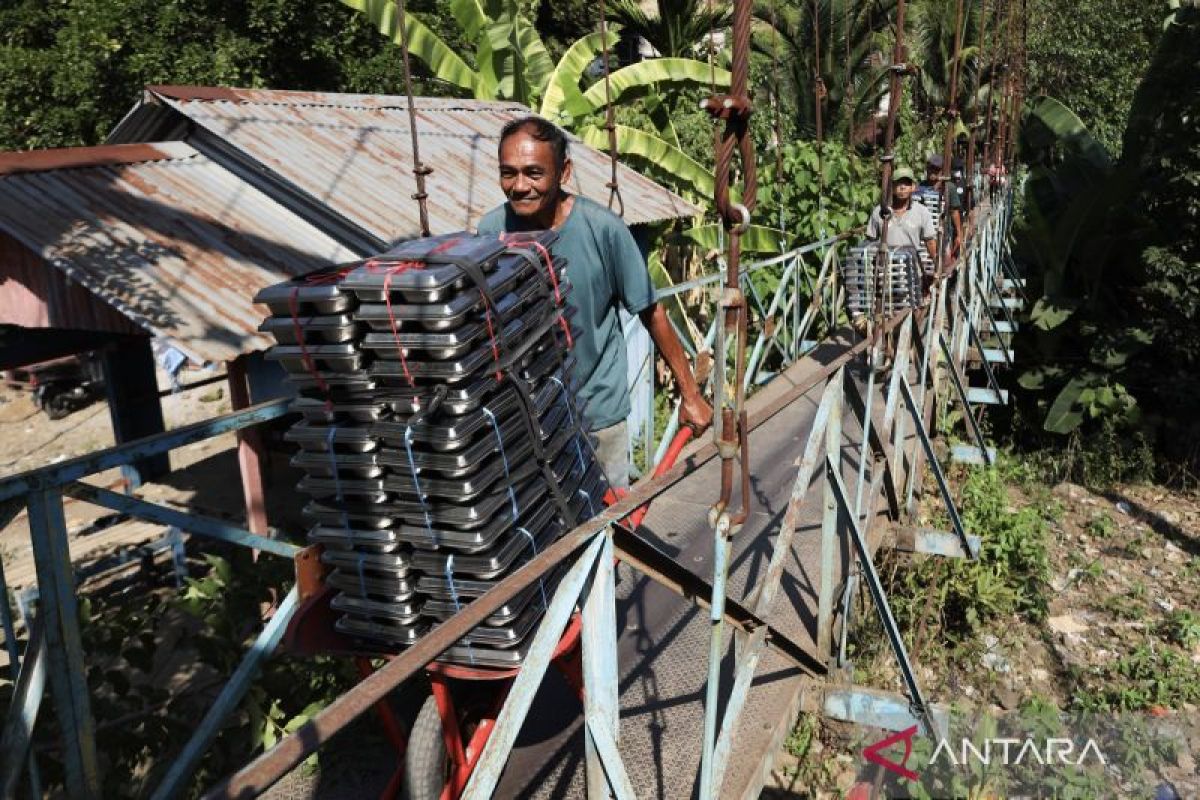
The Free Nutritious Meals (MBG) programme must not be viewed merely as an activity to provide and distribute food to students.
When the state produces food in large quantities for millions of beneficiaries, the government’s responsibility encompasses nutritional adequacy as well as safety, hygiene, quality, and halal status of the food. Therefore, the discourse of making teachers food tasters before students consume meals needs to be positioned appropriately.
Teachers are indeed at the point of food reception and can play an important role in service supervision. However, tasting food cannot be used as a scientific method to ensure that food is free from pathogenic bacteria, toxins, chemical contamination, or other food hazards.
The more fundamental issue is not who tastes the food first, but rather how robust the food control system operates from the moment raw materials are received at the Nutrition Fulfilment Service Unit (SPPG) until the food is consumed by beneficiaries.
Food that looks good, smells normal, and has no strange taste is not necessarily safe. Therefore, sensory inspection can only serve as initial information, not proof that the food has met safety requirements.
In the large-scale implementation of MBG, potential risks exist along the entire production chain. Hazards can arise from raw materials, storage, water, personnel hygiene, equipment, cooking processes, portioning, packaging, and transportation.
Even cooked food can still be re-contaminated if handled or stored improperly.
The Codex principles developed by FAO and WHO place food hygiene as control along the entire food chain, from raw materials to consumers, and recommend a HACCP-based approach to strengthen food safety.
Therefore, teachers should not be positioned as the last line of defence. Their role is more appropriately that of service supervisors and part of the early detection system in schools.
Teachers can record food arrival times, packaging conditions, menu conformity, distribution delays, changes in visible or odorous characteristics, and complaints from beneficiaries.
If a number of students experience health problems after consuming the same food, information regarding the menu, time of consumption, number of students, and time of onset of complaints can serve as initial material for investigation. Teachers observe and report, while technical decisions regarding food safety rest with a system that has the competence and authority.
Source: jawawa.id (https://jawawa.id/newsitem/free-nutritious-meals-programme-teachers-should-not-be-the-last-line-of-food-safety-defence-1786694128)
Originally published by Antara (Indonesian) (https://www.antaranews.com/berita/5694128/perkuat-sppg-dengan-haccp-guru-bukan-pencicip), translated from Indonesian