
Free Nutritious Meals Programme Is a Human Rights Obligation, Minister Says
Various international human rights instruments, including the Universal Declaration of Human Discretion (UDHR) and United Nations covenants and conventions, consistently affirm three primary state obligations: the obligation to respect human rights, the obligation to protect human rights, and the obligation to fulfil human rights needs.
The Free Nutritious Meal (MBG) programme is a state obligation to meet food needs (the right to food) as part of the government’s duty. Therefore, no entity should be permitted to negate, reduce, or obstruct these fundamental human rights.
In line with these principles, the state’s policy in fulfilling human rights needs requires supervision and evaluation to ensure quality control. Issues arising during the development process should not be labelled as human rights violations; if legal violations are found, they fall under criminal law rather than human rights law, as the programme is currently in its developmental stage.
In the context of human rights, the Free Nutritious Meal programme is an ongoing process of achieving human rights. It is a developmental process aimed at realising human rights standards. Therefore, it should not be characterised as a human rights violation; rather, it requires evaluative assessment.
Realising human rights is a continuous global effort focused on ensuring dignity, equality, freedom, and the fulfilment of basic needs for all individuals without discrimination. This is based on international frameworks designed to protect vulnerable populations and enforce accountability worldwide.
The pathways being pursued to achieve human rights include strengthening international treaty frameworks to protect citizens from violations and meeting basic needs such as healthcare, housing, food, and education, including the Free Nutritious Meal programme.
Institutions such as the United Nations Human Rights Council establish standards, monitor crises, and provide technical assistance to improve human rights-based development systems. Regarding food, health, and education, these are globally recognised programmes that continue to shape modern legislation to integrate with the 2030 Agenda for Sustainable Development (SDGs).
The human rights framework is fundamentally linked to the UN Sustainable Development Goals (SDGs). Achieving these goals requires a ‘Human Rights Economy’ approach, which actively prioritises social equality and the eradication of poverty. The MBG policy intentionally focuses on those most left behind first, striving towards empowerment and inclusivity for youth and marginalised groups.
Constitutional Foundation
The Head of the National Development Planning Agency, Prof. Dr. Rachmat Pambudy, stated that food is a human right according to the legal instruments governing food. Prof. Pambuddy’s view is based on various constitutional foundations and national legal regulations that serve as guidelines for food development to meet national food needs.
Law Number 18 of 2012 concerning Food affirms that the fulfilment of food is a human right for every citizen. The state guarantees the right to food and nutrition through the pillars of availability, accessibility, and adequacy, in order to achieve national food independence and security.
The primary legal foundations linking food to Human Rights (HAM) are: Law Number 18 of 2012 concerning Food as the main legal basis for food administration; and Law Number 39 of 1999 concerning Human Rights as a national instrument guaranteeing the right to life and the right to welfare, including the fulfilment of basic needs.
The right to food is also in line with the mandate of Article 28H, which guarantees every person’s right to live in physical and spiritual prosperity, and to obtain a good and healthy environment. The state is obliged to prevent food insecurity, maintain price stability, and ensure food safety from contaminants that endanger public health.
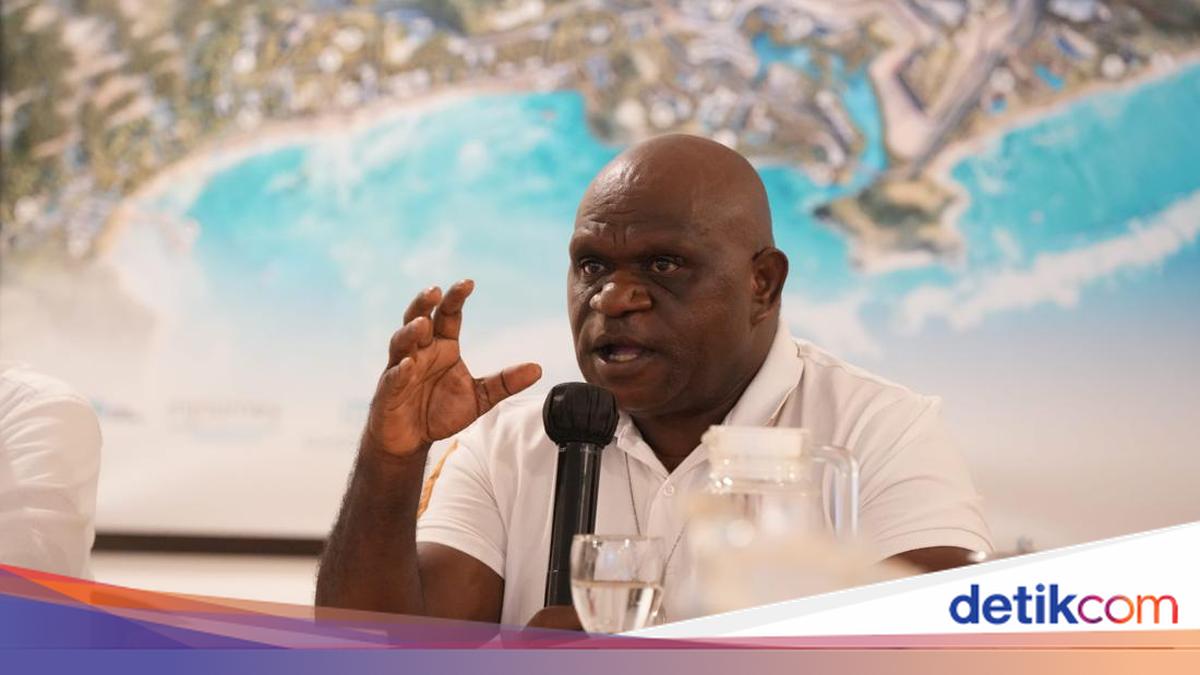
Natalius Pigai, Minister of Human Rights of the Republic of Indonesia