
Free Nutritious Meals Programme in Papua Expands Employment and Drives Transparent Economic Growth
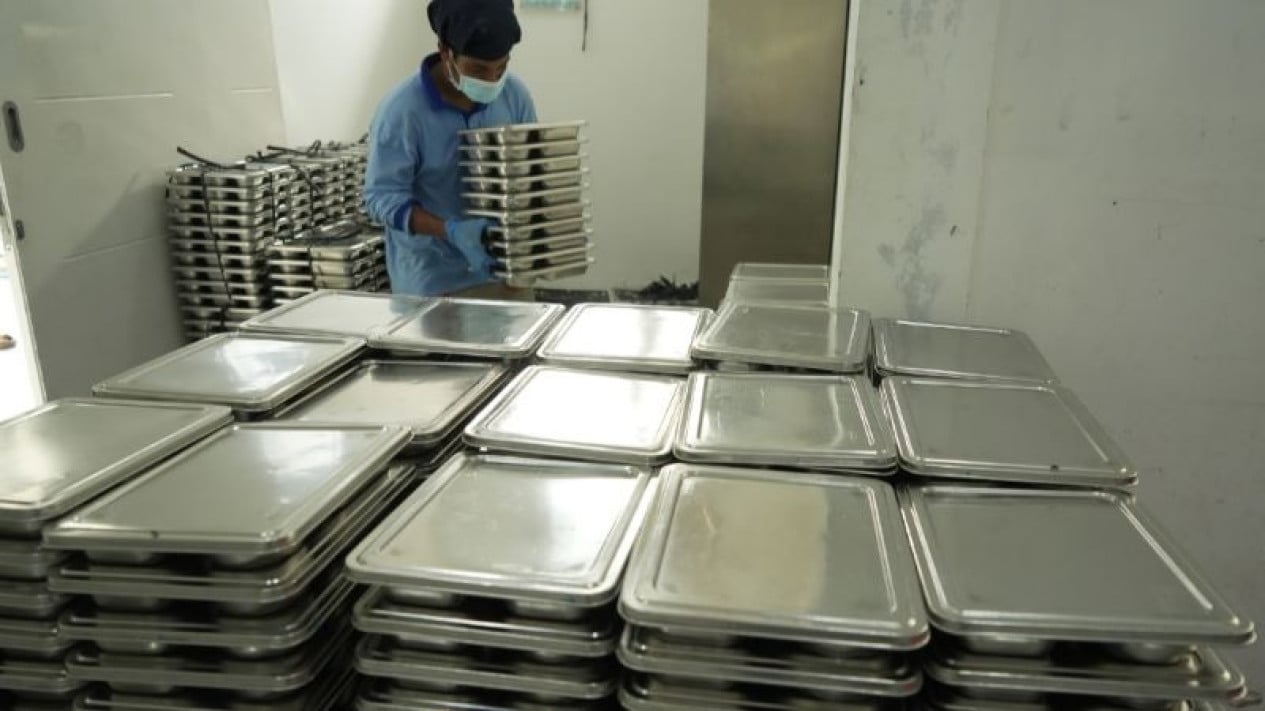
The Free Nutritious Meal (MBG) programme in Nabire Regency, Central Papua, continues to demonstrate a tangible impact, not only in improving community nutritional quality but also as a driver of the local economy managed with transparency and accountability.
Through the operation of 14 Nutritional Fulfillment Service Units (SPPG), the programme has absorbed 658 workers, including 180 Indigenous Papuans (OAP), while simultaneously creating significant local economic circulation.
The Regional Coordinator of the National Nutrition Agency (BGN) in Nabire, Marsel Asyerem, stated that the presence of the MBG programme provides direct benefits to the community. “A total of 658 workers have been absorbed across 14 SPPGs operating in Nabire, including 180 indigenous Papuan (OAP) workers,” he said in a statement on Tuesday, 30 June 2026.
Workers earn an income between Rp120,000 and Rp200,000 per day under a five-day work week system. From these wage payments, the MBG programme is estimated to generate an economic circulation in Nabire Regency of between Rp1.58 billion and Rp2.63 billion every month.
Marsel emphasised that the MBG is more than just a nutritional programme for students, pregnant women, breastfeeding mothers, and toddlers. The programme is also capable of creating employment opportunities while assisting local governments in reducing unemployment rates.
He cited positive changes occurring at the Wadio Gerbang Sadu SPPG. “After being involved in work at the SPPG, they have steady jobs and no longer engage in street extortion,” he said.
All workers involved have also received protection through the Social Security Programme for Employment.
The SIAP-MBG platform allows the public to monitor planning, budget usage, and service distribution more transparently. According to Marsel, the introduction of SIAP-MBG is a vital step in strengthening the accountability of the MBG implementation. “This system addresses the expectation that the implementation of the MBG proceeds transparently and accountably,” he noted.
The developer of SIAP-MBG, Azrulah Kainage, explained that the application is equipped with a digital map-based dashboard that presents information regarding planning, financial conditions, and the distribution locations of nutritious food. This openness of information is expected to encourage community participation in oversight, thereby minimising the potential for irregularities.
“This programme is not just about nutrition, but about how state funds can circulate within the community so that the economic benefits are felt directly by the citizens,” Marsel asserted.