
Free Nutritious Meals Programme in Batam Reaches 94% of Potential Beneficiaries
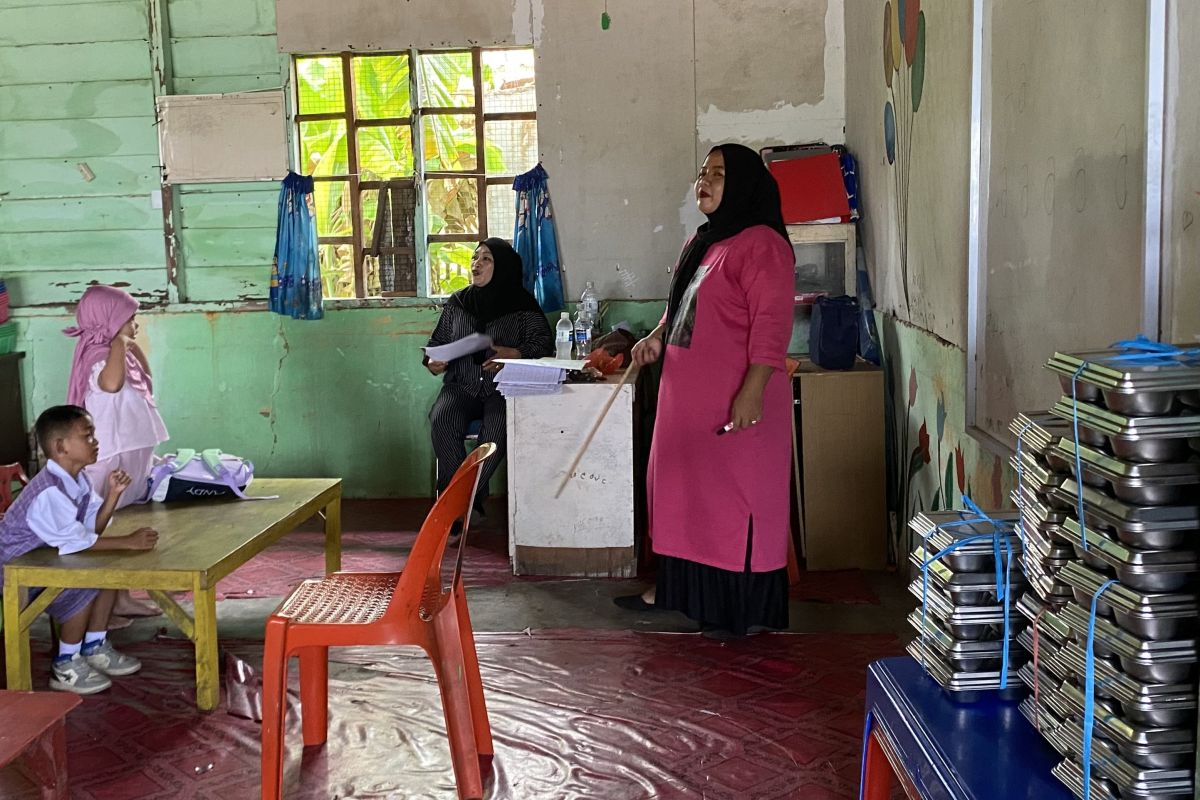
Batam (ANTARA) – The Free Nutritious Meals (MBG) programme in Batam, Riau Islands, has served 334,763 beneficiaries, or about 94% of the total potential of 355,252 people.
Defri Frenaldi, regional coordinator for Batam’s Nutrition Fulfilment Service Units (SPPG), said beneficiaries include students, toddlers, pregnant women, breastfeeding mothers, teachers and education staff.
“The total number of beneficiaries currently stands at 334,763, or around 94% of Batam’s potential beneficiaries,” Defri said when contacted in Batam on Tuesday.
By group, the programme serves 18,102 kindergarten and early childhood education pupils, 130,677 primary school pupils, 59,242 junior secondary pupils, and 49,102 senior secondary and vocational school pupils.
“The 3B beneficiary group comprises 3,411 pregnant women, 10,551 breastfeeding mothers and 42,141 toddlers,” he said.
The programme is supported by 138 SPPG units currently in operation in Batam.
“There are 138 active units in total. Another 10 were launched simultaneously nationwide on 14 October. Those 10 had not yet started serving meals at that time because of Batam’s learn-from-home policy,” he said.
He added that eight SPPG units have had their operations suspended to date.
“One unit in Nongsa subdistrict was suspended following an extraordinary event, while the other seven were suspended because they had not yet received the second-stage Temporary Beneficiary Group Determination Letter (SPKS/SPS) from the National Nutrition Agency (BGN),” he said.
On hygiene and sanitation standards, Defri said 133 of the 138 SPPG units in operation had obtained Hygiene and Sanitation Feasibility Certificates (SLHS) as of 6 October 2026.
The figures resulted from cross-checking SPPG data with the Batam City Health Office.
“Of the 138 kitchens that have operated, 133 had obtained an SLHS by 6 October. The remaining applications are still being processed, particularly the checks on food and water laboratory test results,” he said.
According to Defri, water quality is the most common challenge facing SPPG units seeking to meet SLHS requirements.
“Because the water supply in Batam is of poor quality, some kitchens need to use additional filtration equipment to ensure the water meets laboratory testing requirements,” he said.
He said meeting SLHS requirements was an important part of ensuring that food prepared and distributed through the MBG programme was safe for beneficiaries to eat.