
Free Nutritious Meals Programme Boosts Focus, Eases Parental Worries for Central Sulawesi Primary Pupils
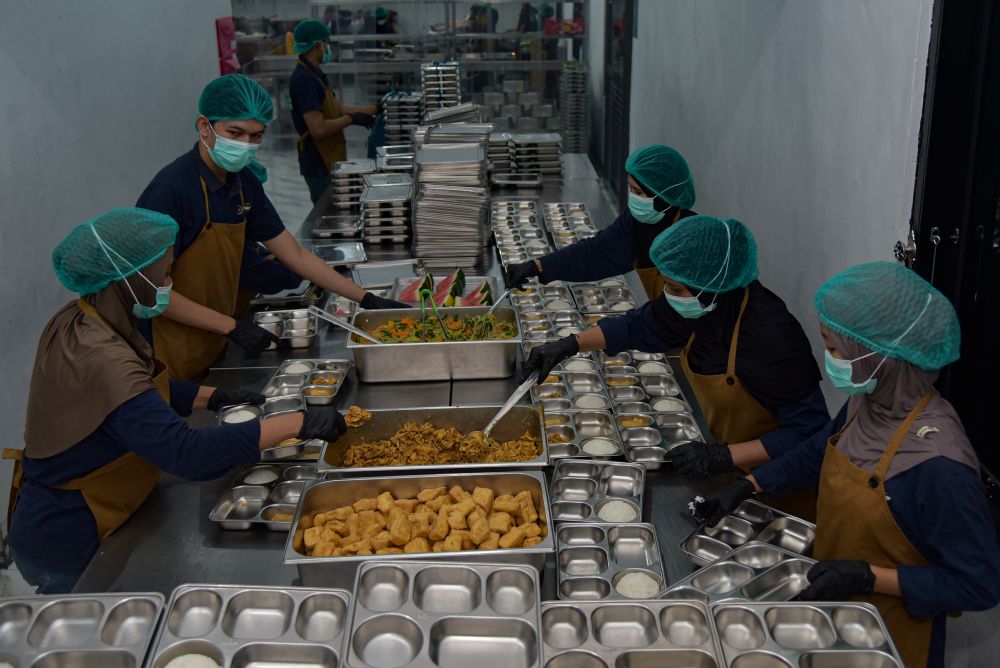
The Free Nutritious Meals (MBG) programme is beginning to change the daily lives of primary school children in Tojo Una-Una Regency. For them, the benefits are not only about receiving a meal at school, but also about feeling more energetic, better prepared for lessons, and beginning to understand the importance of nutritional content in food.
This experience was shared by three pupils: Gayatri Kalyani Taha, a sixth-grade pupil at SDN 1 Ratolindo; Andi Arkan Raffi, a pupil at SD IT Al-Wahdah Tojo Una-Una; and Muhammad Rizat Wikaldi from SDN 1 Ampana Kota. The three have felt different changes since MBG arrived at their schools.
For Gayatri, the most noticeable change is the reduced worry of her parents when she leaves for school without packed food or pocket money. “My parents no longer need to worry about us going hungry at school because there is already a Free Nutritious Meals programme provided for us,” she said.
Raffi has experienced similar benefits. Since receiving MBG, he says he brings pocket money less often and his parents no longer always need to prepare breakfast or packed food. The programme has also changed his perspective on food. He now understands that rice is a source of carbohydrates, meat contains protein, vegetables contain vitamins, and fruit is a source of fibre.
“I used to think eating was only to get rid of hunger. Now I understand that food has many nutritional benefits. I have started to get used to eating vegetables and fruit that I previously disliked,” said Raffi.
Meanwhile, Rizat sees the influence of MBG on pupils’ readiness to follow lessons. Before the programme was running, he often saw his friends lacking focus because they had not eaten breakfast. Some parents had to leave for work earlier and therefore did not have time to prepare food, while some children had other reasons for skipping breakfast. “After we received this programme, I saw my friends become more energetic and more focused,” said Rizat.
Nevertheless, he believes that adequate nutrition does not automatically make a child smarter or higher-achieving. According to him, learning outcomes still require a willingness to learn and parental support.
This view is also reflected in the experiences of Gayatri and Raffi. Gayatri feels more focused and enthusiastic about following lessons after eating, while Raffi believes that a healthy body helps pupils concentrate better. The voices of the three show that MBG serves as a support for learning readiness, not a replacement for the learning process itself.
Behind the benefits they feel, the children also openly offered evaluations. They consider the MBG menu generally good and tasty, but each pupil’s taste differs. Some children prefer chicken to fish, tempeh to tofu, or are not yet accustomed to eating vegetables and eggs.
Raffi said he still tries to finish his food so that his nutritional needs are met and food is not wasted. Gayatri also chooses to be grateful for the food received, although she admits there are some menus that do not yet suit her taste. Both hope that the taste and variety of the menu will continue to be improved so that children do not get bored.
Rizat reminded that MBG is not designed simply to follow children’s favourite foods, but rather to ensure their bodies receive nutritious intake. However, he still proposed variety in food preparation, for example eggs, chicken or rice served in different forms from day to day.
He also highlighted the timeliness of distribution. Food that arrives on time will remain warm and fresh when eaten. In addition, pupils need simple education about the contents of the food on their plates, while the government and schools need to open space for input from teachers, parents and child beneficiaries.
The issue of leftover food is a concern for the three pupils. Gayatri admitted she feels sad when food is thrown away because there is the effort of kitchen staff behind every portion. Raffi also still sees his friends not finishing their food because of taste issues. According to them, menu variety needs to go hand in hand with habituation so that pupils appreciate food and do not waste it.
For some families, MBG has even greater meaning. Rizat recounted that there are pupils who set aside part of their food to take home and eat again at home. This story shows that one portion of school food can provide benefits beyond school hours, especially for children from families in need. Therefore, the three believe MBG deserves to be continued with continuous improvement.
The government plays a role in ensuring the budget, food quality and oversight. On the other hand, schools and teachers oversee implementation and provide education. Meanwhile, parents provide support, while pupils are responsible for appreciating and finishing the food they receive.
Rizat also conveyed one important hope. He hopes that the construction of MBG service kitchens needs to be expanded to remote areas so that the benefits of the programme are not only felt by children in city centres. Gayatri hopes that the quality of taste and nutrition will continue to be considered, while Raffi hopes the programme can continue to help meet the nutritional needs of Indonesian children.
“I want MBG to develop better every day, the menu to be more varied, and the government to be willing to accept input. Build kitchens in remote areas too so that children there can feel the benefits of Free Nutritious Meals,” concluded Rizat.