
Free Nutritious Meal Programme Seen as Potential Driver for Regional Food Supply Chains
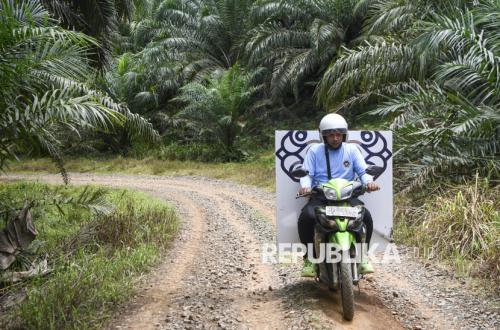
The Free Nutritious Meal (MBG) programme is not only about meeting nutritional needs but also holds the potential to create more certain demand for the regional food sector. The requirement for food ingredients for this programme can open markets for farmers, livestock breeders, fishermen, cooperatives, MSMEs, and entrepreneurs within pesantren (Islamic boarding school) environments.
Burhanudin, Chairman of the East Java Regional Leadership of the Indonesian Santri Entrepreneurs Association (HIPSI), stated that the implementation of MBG has opened economic opportunities for the pesantren community. A number of pesantren are involved in operating Nutrition Fulfilment Service Units (SPPG), while alumni and santri-led businesses can enter the food ingredient supply network.
“The positive impacts are immense. There are quite a significant number of pesantren communities establishing SPPGs. Alumni can also become part of the procurement supply network. As economic drivers in society, the benefits are extraordinary,” Burhanudin said on Thursday (24/09/2026).
According to him, the opportunity is substantial in East Java because the region possesses a strong foundation in agriculture, livestock, fisheries, and a vast network of pesantren. In several areas, including Banyuwangi, suppliers and potential investors are reportedly exploring collaborations with pesantren to support MBG services.
The food requirements from MBG kitchens can also assist producers in organising production more measurably. The needs of each SPPG can be translated into planting, harvesting, and distribution planning, providing producers with a clearer market outlook.
“If the supply chain is built down to the SPPG level, farmers will feel more secure because there is a clear market. Kitchen requirements can be calculated, supply routes can be organised, and farmer production can be adjusted accordingly,” said Burhanudin.
To ensure economic benefits are not concentrated among specific businesses, Burhanudin encouraged open access and the simplification of bureaucracy for local entrepreneurs. Village cooperatives, MSMEs, and santri entrepreneurs are deemed to deserve opportunities, provided they meet the established standards.
Sri Untari Bisowarno, Chairperson of Commission E of the East Java Regional House of Representatives (DPRD), stated that the success of MBG should be viewed through both the nutritional fulfilment of beneficiaries and its impact on regional economic activity. She noted that programme implementation could involve consumer cooperatives, traditional markets, school canteens, and local businesses to ensure existing economic activities continue to grow.
“The economy can circulate within villages and regions. Poultry farmers will move, vegetable farmers will move, traditional markets will thrive, and those involved in cooking will also benefit,” said Sri Untari.
She also emphasised the importance of mapping beneficiaries and monitoring food quality. Coordination between the National Nutrition Agency (BGN) and local governments, social services, education departments, and schools is necessary to ensure the programme reaches those in need, including children from poor families, pregnant women, toddlers, the elderly, and persons with disabilities.
On the other hand, nutritional standards and the quality of food ingredients must be maintained consistently. Evaluations of the programme’s implementation are also required to identify issues in distribution, procurement, and service.
Burhanudin believes that evaluation is part of the refinement process for this evolving programme. He noted that any identified problems need to be mapped and rectified through clear procedures to ensure the programme’s benefits continue to flow.
Strengthening supervision and ensuring open access are vital factors so that food spending within the MBG programme can provide broader benefits to the region. If local supply chains can be consistently connected to the needs of SPPGs, the programme has the potential to create markets for food producers while strengthening economic activity at the regional level.
Source: jawawa.id (https://jawawa.id/newsitem/free-nutritious-meal-programme-seen-as-potential-driver-for-regional-food-supply-chains-1790268746)
Originally published by Republika (https://ekonomi.republika.co.id/berita/tlvbaf416/mbg-dinilai-bisa-perkuat-rantai-pasok-pangan-daerah), translated from Indonesian