
Free Nutritious Meal Programme Resumes, BGN Claims Improvements Made
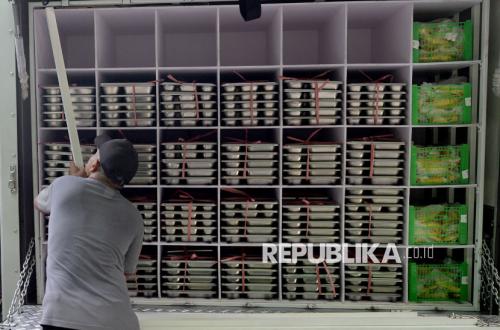
The Free Nutritious Meal (MBG) programme has reportedly resumed on the first day of school, Monday (13/7/2026). The resumption of President Prabowo Subianto’s priority programme was directly reviewed by officials from the National Nutrition Agency (BGN) after a three-week halt.
BGN Deputy Head Agustina Arumsari stated that her team had visited several schools and Nutrition Fulfilment Service Units (SPPG) in Jakarta on the first day the MBG programme was re-implemented. She said this was done to ensure meals were received on time, including directly observing the quality of service to beneficiaries.
“We want to ensure that MBG distribution is running well again after the adjustment period. The various improvements that have been made are expected to enhance service quality so that the programme’s benefits can be felt optimally by all recipients,” she said in a statement on Monday.
In addition to monitoring the programme’s implementation, Arumsari added that her team also gathered direct input from field implementers. According to her, this input forms part of the evaluation in efforts to refine the programme’s execution.
“Through these visits, we also noted a number of things that need continuous improvement, whether in terms of operations, distribution timeliness, coordination between parties, or service quality in the field,” said Arumsari, who also serves as BGN Spokesperson.
She claimed that BGN had undertaken various corrective measures to improve the effectiveness and quality of the MBG programme’s services during the three-week break. These improvements include strengthening governance and refining various operational aspects to make the programme’s implementation more optimal.
Meanwhile, BGN Deputy Head Trenggono also directly reviewed the implementation of the MBG programme at several schools and kitchens in the Central Jakarta area. The visit was conducted to ensure the programme’s implementation met standards, from menu quality and food safety to the distribution process to beneficiaries.
Trenggono emphasised that the MBG programme is not only oriented towards meeting children’s nutritional needs but is also expected to create a sustainable economic impact for the community. Therefore, the supply of raw materials must prioritise local food potential and involve business actors around the programme’s implementation areas.
“The Free Nutritious Meal programme must become a driver of the local food ecosystem. We need to utilise quality local fruits, reduce dependence on factory-produced raw materials, and prioritise supplies from MSMEs,” he said.
He also reminded all kitchens to continue prioritising nutritional quality in every menu served. According to him, the daily menu needs to consistently contain animal protein as an important component to support the growth and development of school-age children.
“We want to ensure every child receives complete and balanced nutrition. Therefore, menus containing animal protein, including meat, need to be continuously provided while still paying attention to food safety standards, nutritional adequacy, and the availability of raw materials in each region,” he said.
In addition to emphasising nutritional quality, Trenggono requested that SPPG managers always adhere to operational standards. SPPG heads and partners were also asked to actively provide guidance to beneficiaries.
Trenggono stated that his agency will continue to conduct regular monitoring and evaluation. This is done to ensure the programme is implemented optimally and provides real benefits for improving the nutritional quality of the nation’s future generation.