
Free Nutritious Meal Programme in Sebatik Involves Village-Owned Enterprises for Raw Material Supply
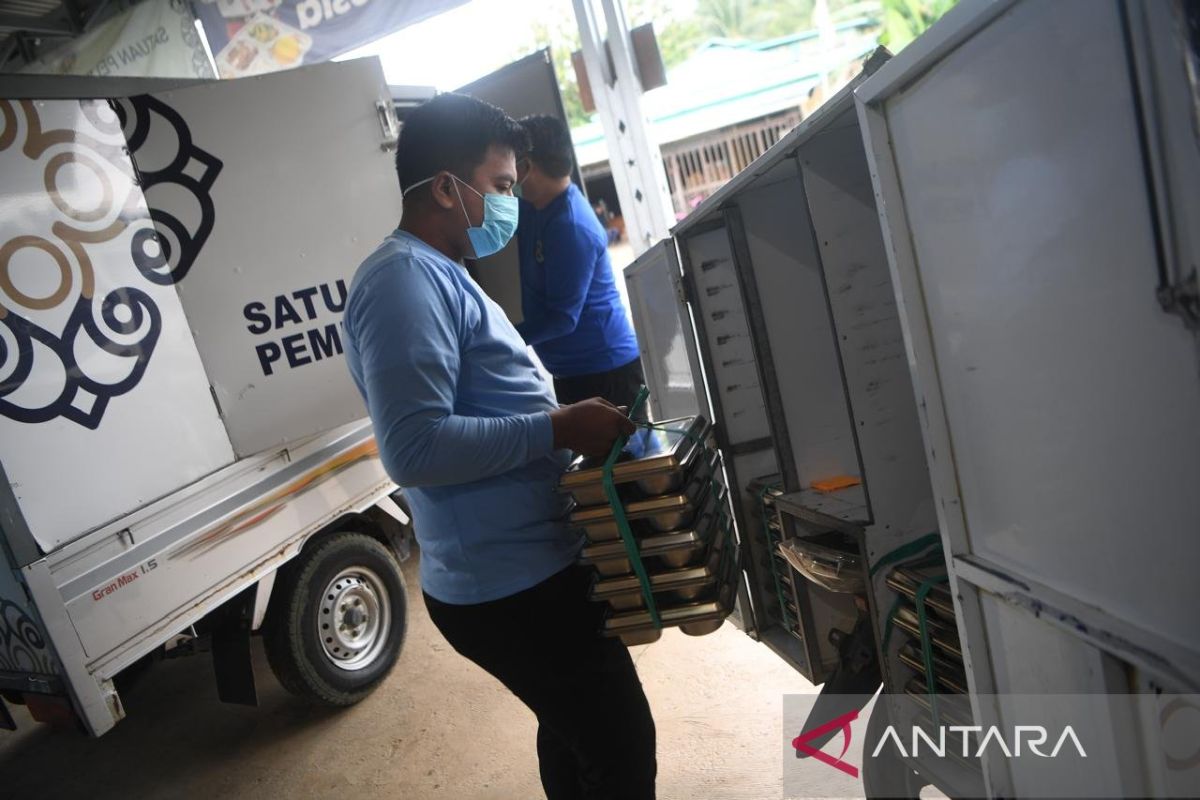
The Free Nutritious Meal (MBG) programme in Sebatik Tengah District, Nunukan Regency, North Kalimantan, is creating a new economic ecosystem by involving village-owned enterprises (BUMDes), breeders, farmers, and local workers in the supply of raw materials. “We use local raw materials such as eggs from BUMDes, chicken from local breeders, and vegetables and fruit from local farmers. The technical guidelines also explain that we must accommodate the produce from BUMDes,” said Head of the Sebatik Tengah Nutrition Fulfilment Service Unit (SPPG), Partiwi Hariati, in Sebatik on Wednesday.
Partiwi stated that one of the challenges of the MBG Programme in border areas is the limited fulfilment of raw materials. When the SPPG in Sebatik was first established, partners still relied on supplies from Malaysia. The local government then began engaging with residents to socialise the need for raw materials and provided training in the agriculture and livestock sectors. Several zakat institutions also contributed to empowerment through capital provision and training. Gradually, the majority of raw materials began to be met by domestic commodities, although a small number still had to be sourced from the neighbouring country due to various factors.
“We educate the community to keep planting because we are ready to buy the produce. Previously, they were afraid to plant because they worried the produce would not be absorbed; now we are ready to buy, such as bananas, papayas, corn, and vegetables,” she said. “Some were previously housewives, some helped their husbands with odd jobs, and some were high school graduates who were unemployed. We do prioritise residents from the first decile of poverty,” Partiwi added. For rice, the SPPG chooses to use Indonesian-produced rice even though people in the border area consume more rice from Malaysia. The rice is brought in from Sulawesi and Surabaya. “We do not use Malaysian rice. We continue to use Indonesian rice because we consider its quality to be better,” Partiwi stated.
She said the Sebatik Tengah SPPG has been operating since the beginning of the year and currently serves around 1,700 beneficiaries, consisting of students in 13 schools and targets at 10 integrated health posts. In the future, she hopes that the operations of the Sebatik Cross-Border Post (PLBN) can commence soon so that the distribution of raw materials from various regions in Indonesia becomes smoother, especially for perishable commodities.