
Free Nutritious Meal Distribution Halted During School Holidays, Saving Over Rp 3 Trillion
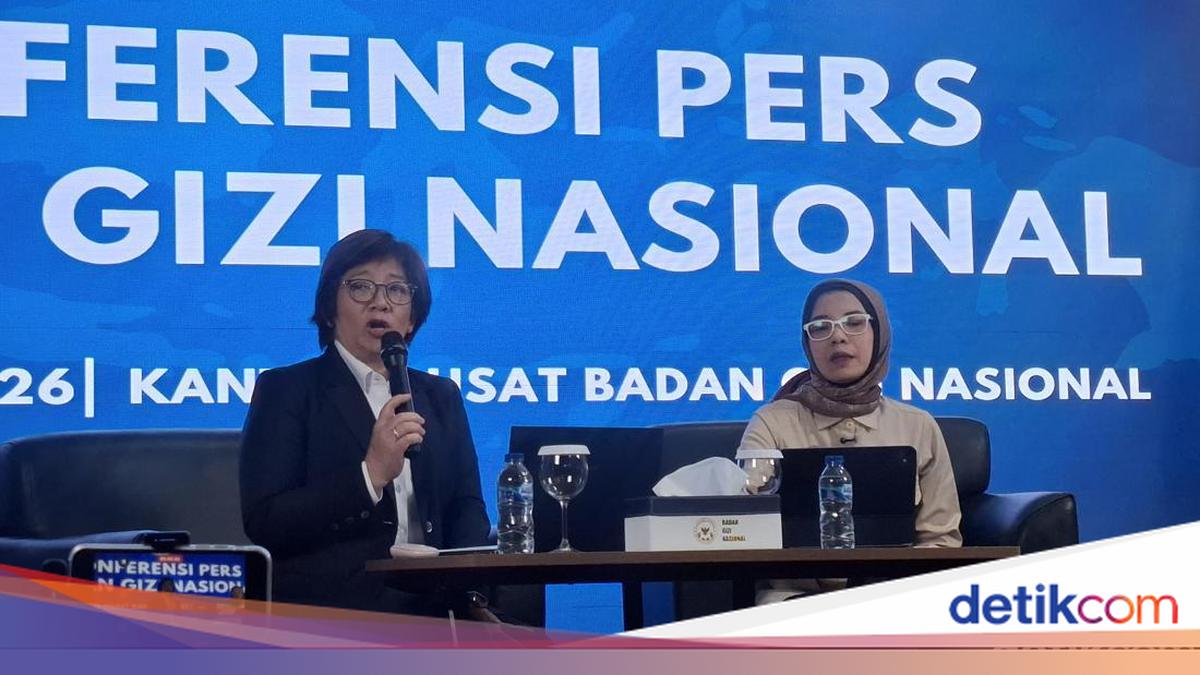
The National Nutrition Agency (BGN) has temporarily halted the distribution of the Free Nutritious Meal (MBG) programme during the school holiday period for the 2026 academic year, a move expected to save more than Rp 3 trillion in state funds.
Wakil Kepala BGN Agustina Arumsari stated that the suspension is regulated by Circular Letter Number 12 of 2026 concerning the adjustment of nutrition fulfilment service unit (SPPG) operations during holiday periods. “On 17 June 2026, BGN issued Circular Letter Number 12 of 2026 regarding the adjustment of SPPG operations during the holiday period for the implementation of the MBG programme in the 2026 fiscal year,” Sari said at the BGN office in Central Jakarta on Thursday (18/6/2026).
Sari explained the policy aims to optimise operational governance, improve resource efficiency, and standardise the implementation of the MBG programme. The school holiday period, officially set from 22 June to 23 July 2026, will also be used to restructure the programme. Unlike the previous Ramadan period, when MBG distribution continued through a bundling system, this time the distribution will be completely halted during the holidays.
“We want to reorganise and restructure, so we are taking advantage of this school holiday momentum,” she said.
Under the new regulation, all SPPG units that cease operations during the distribution suspension will not receive operational incentives. Previously, each SPPG received an incentive of Rp 6 million per day. According to Sari, this measure has resulted in significant budget savings. “Looking at the number of SPPGs currently in operation, multiplied by the daily incentive over 18 days, we have achieved an SPPG incentive efficiency of Rp 3,004,560,000,000,” she revealed.
Beyond operational efficiency, BGN has also begun refocusing the programme’s beneficiaries. As of 18 June 2026, BGN has identified 76 schools in Java with a total of 39,352 students deemed capable of meeting their nutritional needs independently. These schools will subsequently be evaluated as MBG beneficiaries, with the previously allocated budget redirected to groups requiring greater nutritional intervention from the government.
“The budget previously allocated there will be refocused on the MBG programme for children who need nutritional intervention,” she clarified. Priority beneficiary groups going forward include disadvantaged, frontier, and outermost regions (3T), pregnant women, breastfeeding mothers, toddlers, and children classified as nutritionally vulnerable.
She emphasised that the data on the 76 schools is still provisional and will be continuously updated. BGN is currently conducting further data collection based on several indicators, including nutritional vulnerability, socio-economic conditions, and access to nutritional fulfilment. “The Free Nutritious Meal programme must be truly effective in reaching the right targets and efficient in the use of state funds,” she added.