
Free Land Certification for Low-Income Housing: A Step Towards Legal Certainty
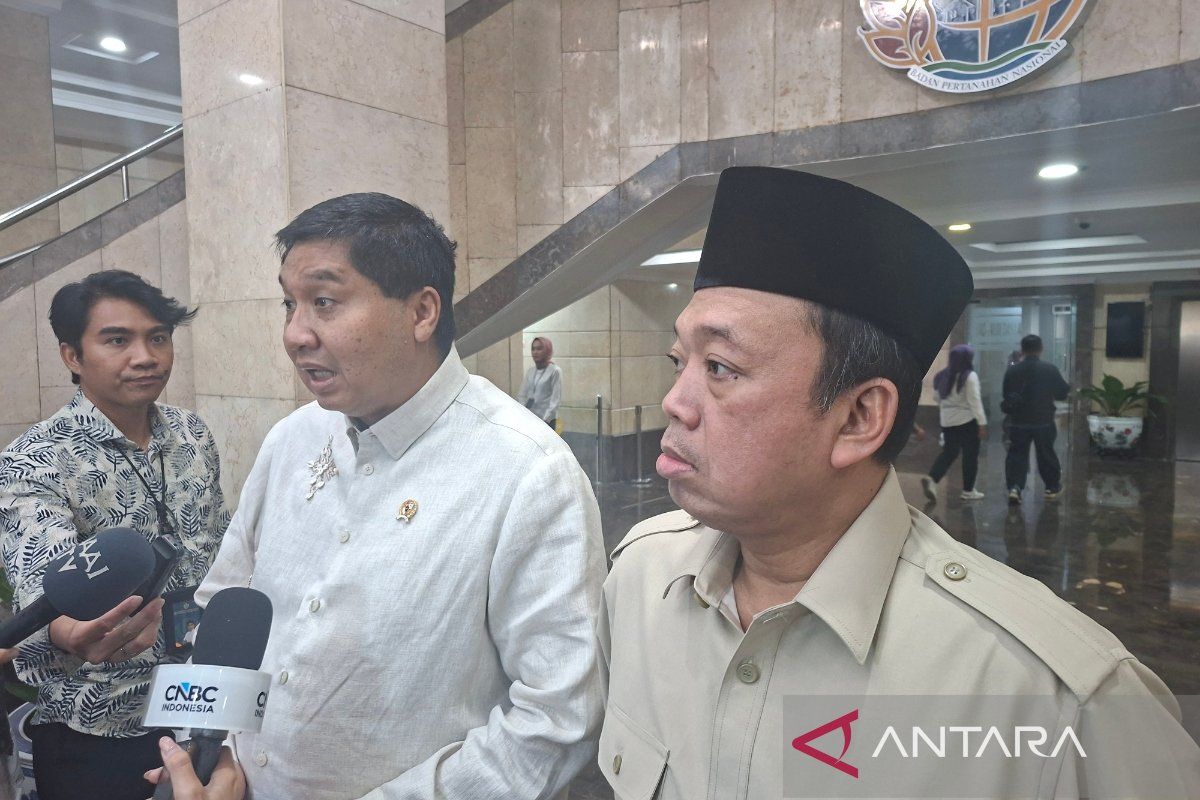
Amidst the ongoing challenge of the housing backlog, the government’s free certification policy proves that the state is fully present: helping people obtain homes while ensuring those homes are legally secure. The policy, delivered by Minister of Housing and Settlements Maruarar Sirait and Minister of Agrarian Affairs and Spatial Planning/Head of the National Land Agency Nusron Wahid, deserves appreciation. It shows that housing provision does not stop at physical construction but also ensures legal certainty for the occupants.
In recent years, the government’s focus in the housing sector has largely been on increasing public access to housing finance. Various instruments, such as the Housing Finance Liquidity Facility, Self-Help Housing Stimulant Assistance, and the Three Million Houses Programme, were designed to expand opportunities for people to own decent homes. However, owning a house without legal certainty over the land it stands on leaves a fundamental problem unresolved.
For many, a house is a symbol of economic success and a place to build a family. For the state, however, a house is also an asset that must have clear legal status. Without a certificate, homeowners are vulnerable to ownership disputes, face difficulties accessing financing, and even risk losing the land they have occupied for years.
This is where the importance of the free certification policy for MBR lies. The government is not only helping people buy houses but also ensuring those houses have strong legality. This approach demonstrates that housing policy is now viewed more comprehensively, not merely chasing the number of units built but also guaranteeing the quality of legal protection for the occupants.
Normatively, legal certainty over land is a constitutional mandate. The Basic Agrarian Law stipulates that the government organises land registration throughout Indonesia to provide legal certainty to rights holders. This provision is clarified through Government Regulation on Land Registration, which states that a certificate is a strong evidence of right as long as the physical and juridical data match the state’s land book.
This means a certificate is not just an administrative document. It is the state’s recognition of a person’s ownership rights. When the state provides free certificates to low-income communities, it is essentially strengthening the legal standing of vulnerable groups.
From an economic perspective, the benefits of a certificate are immense. Economist Hernando de Soto, in his book The Mystery of Capital, explains that the legality of assets is a crucial factor in creating economic growth. According to him, assets without legal recognition become dead capital that cannot be optimally utilised. Conversely, formally legalised assets can be used as collateral for financing, inherited clearly, traded safely, and increase the owner’s economic productivity.
This view is highly relevant to Indonesia’s conditions. Many people own houses but do not have land title certificates. This situation means the economic value of those houses is not optimised. With free certification, the public gains the opportunity to enhance the quality of their assets without being burdened by additional costs.