
Free Health Screening Programme at SMKN 64 Cipayung Targets 350 Students
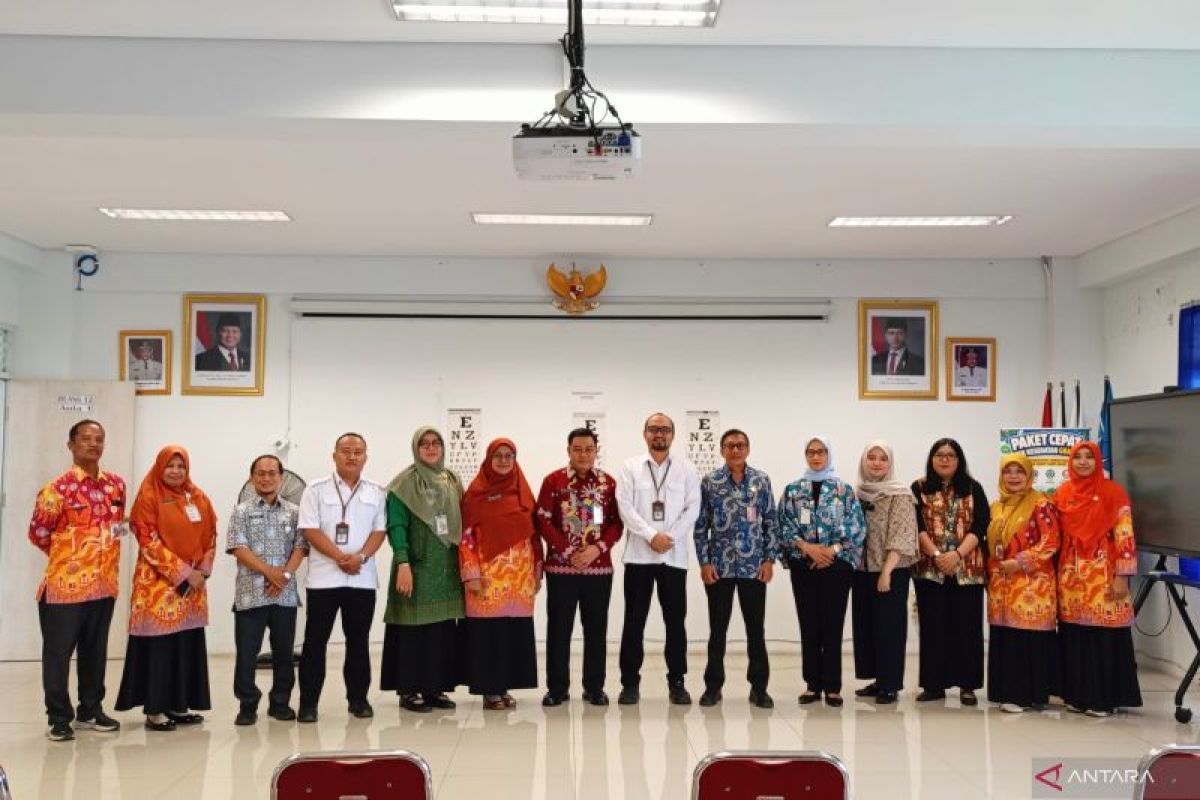
The implementation of the Free Health Screening (CKG) programme at schools such as SMKN 64 Cipayung in East Jakarta targeted 350 students as part of the government’s effort to examine public health and detect potential diseases at an early stage.
“We have a routine programme, the routine programme is a media visit bringing colleagues to the Best Fast Results Programme (PHTC) and today CKG with our chosen school at SMK 64 Cipayung,” said Ronny Suyanto, Expert Staff of the Government Communication Agency of the Republic of Indonesia, at SMKN 64 Cipayung, East Jakarta, on Wednesday.
Ronny said the school visit was part of the government’s routine programme to introduce and directly observe the implementation of CKG as one of the government’s programmes in the field.
In addition, the implementation of the School CKG is in line with Law Number 17 of 2023 on Health and Government Regulation Number 28 of 2024 on the Implementing Regulation of Law Number 17 of 2023 on Health.
These regulations mandate various health efforts, including school health, adolescent health, reproductive health, and the fulfilment of nutritional aspects.
The implementation of the School CKG also supports Governor Regulation Number 34 of 2024 on School Health Efforts.
Ronny expressed hope that the implementation of CKG in schools would run smoothly and provide benefits for students and the wider community.
“Once again, thank you. Hopefully this CKG can run smoothly, the students are healthy and it becomes beneficial for all of us,” said Ronny.
Meanwhile, Head of the East Jakarta Health Sub-Department Arief Wahyudhy said the implementation of CKG at SMKN 64 Jakarta was part of the government’s effort to improve the level of public health, particularly for school-age children.
“Today we from the Health Sub-Department, representing the Health Department, are carrying out free health screening at SMKN 64 Jakarta with the assistance of health workers from Puskesmas Cipayung,” said Arief.
The activity involved health workers from Puskesmas Cipayung and was carried out according to a schedule that had previously been coordinated between the community health centre and the school.
The examinations were conducted comprehensively to determine the health condition of students while detecting early various risk factors and health disorders.
The examinations included nutritional status, smoking habits, level of physical activity, and students’ fitness levels to determine their physical condition and daily activity levels.
Furthermore, students also underwent examinations of sensory functions, such as eye and ear examinations, to identify any disorders that could potentially affect learning activities.
Other aspects examined included blood sugar and haemoglobin (Hb) levels, to detect possible anaemia among students.
The School CKG is one form of government intervention in building health awareness from school age.
“This CKG is also to ensure that students found to have health problems receive education, intervention, management, referral, and follow-up monitoring as needed,” explained Arief.
Arief expressed hope that health screening activities such as this could help build a younger generation that is more aware of their body’s condition, has healthy living habits, and receives faster treatment if health problems are found.