
France: Israel’s Military Operation in Lebanon 'Deeply Concerning'
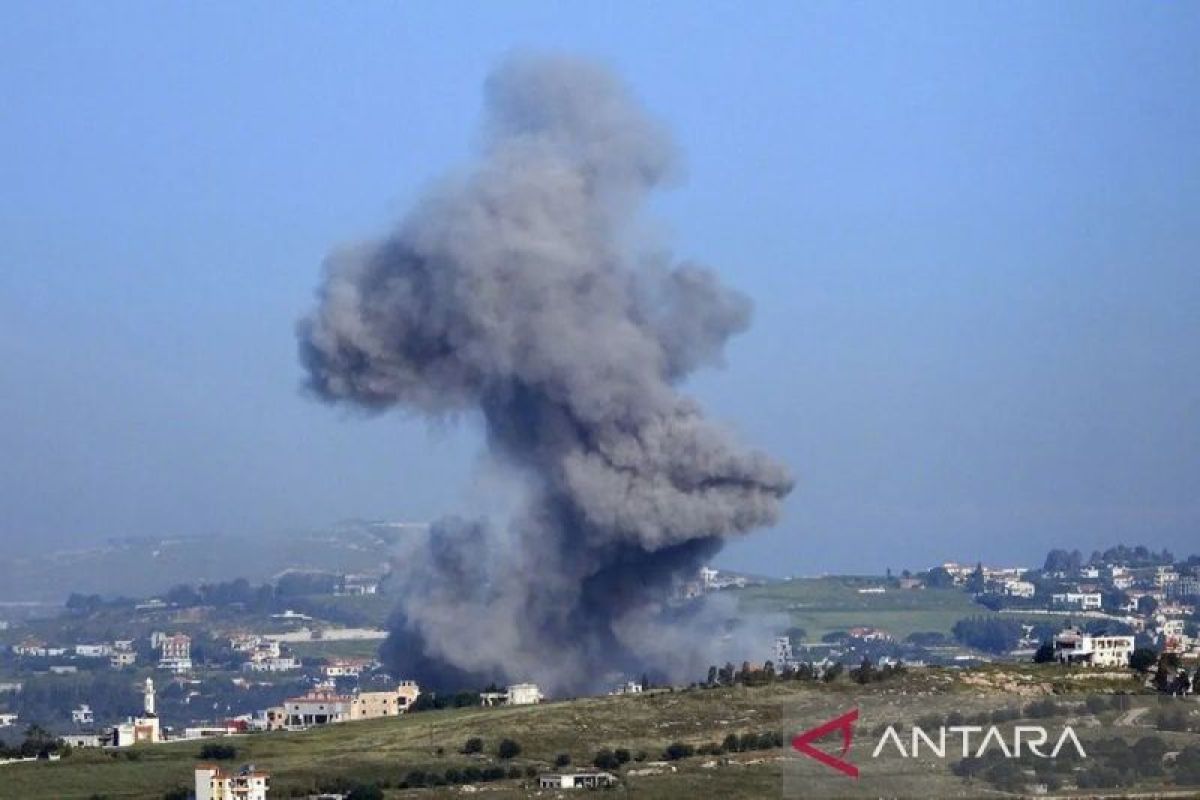
French Foreign Minister Jean-Noel Barrot described Israel’s military operation in Lebanon as “deeply concerning” and has called for an emergency United Nations Security Council meeting to discuss the situation. “There is no justification for prolonged military operations in Lebanon and the deepening occupation of Lebanese territory,” Barrot told BFMTV on Sunday. He reiterated that Israel’s actions constitute a “major mistake.” His comments reflect France’s growing concern over escalating regional tensions as Israel continues military activities beyond its border with Lebanon. Barrot also urged Iran and the United States to swiftly reach an agreement to reduce tensions in the Middle East. “The consequences of the Hormuz Strait closure are felt daily at petrol pumps and, more broadly, through its impact on the global economy and France’s economy,” he said. The French minister added that plans for a mission to safeguard freedom of navigation through the Hormuz Strait are still under consideration, with advanced planning and ongoing negotiations between Tehran and Washington. The Israeli military announced on Sunday that it had launched a “large-scale” attack on Beaufort Ridge and the Wadi al-Salouqi (Saluki) area in southern Lebanon. Israeli military spokesperson Ella Waweya claimed the move aimed to “destroy terrorist infrastructure and eliminate militants.” This Israeli invasion marks the deepest incursion into Lebanon since Israel withdrew its forces from the country in 2000. Lebanon’s Culture Minister Ghassan Salameh accused Israeli forces of deliberately targeting Beaufort Castle, which is believed to have suffered severe damage from the attack. Israeli strikes also destroyed a historic commercial market, a public library, and archaeological sites in the districts of Bint Jbeil and Nabatieh, as well as other locations in southern Lebanon, he told Egypt’s state-run Al-Qahera news agency. “Southern Lebanon risks losing part of its historical and cultural memory if attacks on archaeological sites continue,” Salameh warned.