
FPKB: Placing Ministries in Regions Could Boost Economic Equality
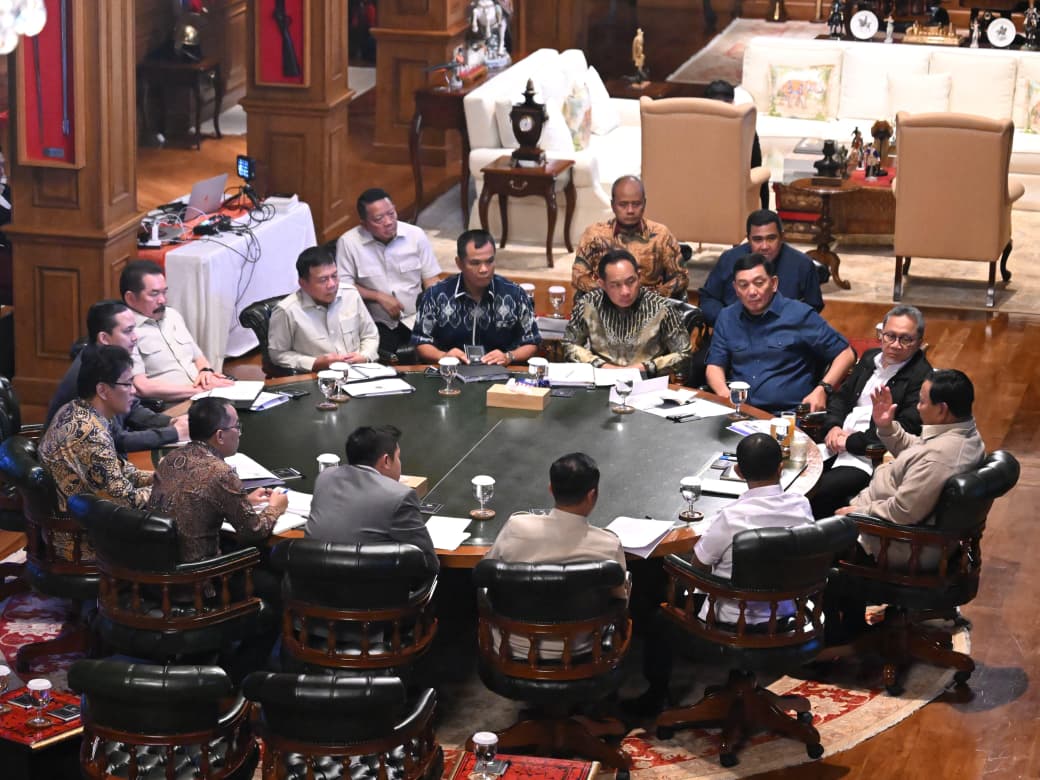
The Forum Pembela Kedaulatan Bangsa (FPKB) has urged the government to consider distributing central ministry offices across different provinces in Indonesia. The group believes this policy could promote economic equality, boost regional business activity, and alleviate the burden on Jakarta as the centre of government. “For example, the Ministry of Religious Affairs could be in Aceh, the Ministry of Education in Central Java or Yogyakarta, the Ministry of Tourism in Bali, and so on, so that Jakarta only remains the centre for government, the economy, and the Coordinating Ministries,” explained FPKB Chairman Husen Ibrahim. According to Husen, the presence of central government apparatus and regional government visits to the respective ministries would generate new economic activity. He noted that this would drive the hotel, restaurant, transport, and MSME sectors, while also opening up employment opportunities. He estimated the budget required to realise this idea at around IDR 300 trillion, a figure he considers relatively small compared to the financing needs for the Nusantara Capital City (IKN) project. Husen added that if the plan were implemented, the President could still coordinate with all ministries, with cabinet meetings held via teleconference and open to the public to ensure transparency regarding ministerial programmes. He also highlighted the positive impact on regions with low economic activity, citing eastern Indonesia where hotel occupancy rates are still around 30 to 40 percent. “Imagine, currently, all matters must go to Jakarta, spending large regional budgets just to obtain a single letter,” he said. Husen emphasised that relocating ministry offices would increase money circulation outside Jakarta, ultimately driving growth in various economic sectors and reviving Regional-Owned Enterprises (BUMD) that have not been operating optimally. He stressed that realising this idea requires synergy between ministries and would help reduce congestion in the capital. Husen further urged presidential aides to be creative, effective, and results-oriented, rather than merely carrying out administrative duties. He also questioned the pattern of ministry budget management, arguing that ministries in productive sectors such as agriculture and energy should seek breakthroughs to provide added value to the state, rather than consistently requesting annual budget increases.