
FPCI: Energy Transition Becomes Arena for Global Competition
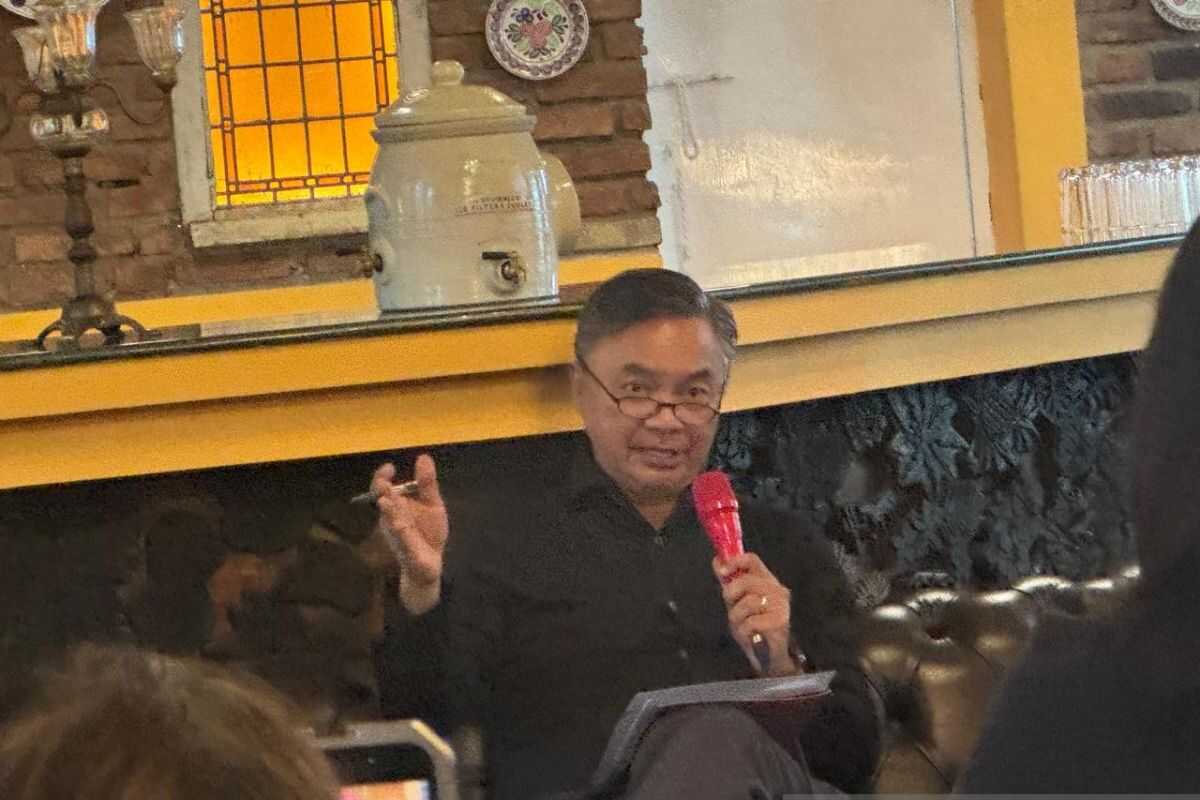
Jakarta (ANTARA) - The founder of the Foreign Policy Community of Indonesia (FPCI), Dino Patti Djalal, has assessed that the energy transition has now become an arena for global economic competition, where nations that rapidly develop clean energy industries will lead in the future.
For this reason, Dino continued, when President Prabowo Subianto declared his commitment to achieving 100 per cent renewable energy within 10 years at the G20 Brazil Summit, the FPCI’s Climate Unit took the initiative to assemble experts to find ways to help the Indonesian government realise this goal.
“100 GW in 10 years is, in our view, something highly realistic and achievable, provided we are serious and have programmes that are well-implemented,” said the former Indonesian deputy minister of foreign affairs.
According to him, the 100 GW Solar Power Plant (PLTS) programme is not merely an energy project but also an economic project, an industrial project, and a project for the future itself, emphasising that there are important reasons for accelerating solar power development.
Those reasons are energy security and clean energy industrialisation, which can create equitable development and rural productivity, Dino said.
Regarding energy security, Dino continued, solar energy can provide a clean and stable domestic energy source for the long term that is unaffected by global price fluctuations.
As for clean energy industrialisation, Dino said, the government can build industry by developing manufacturing, supply chains, technology, and human resources, thereby creating opportunities to move up in the global supply chain.
For rural development and productivity, Dino stated, if the government continues to build distributed solar power plants across villages throughout Indonesia, this could become the largest renewable energy electrification programme in Southeast Asia.
“This is not just about the lights being on — this is about the productive use of energy. Electricity for SMEs, cold storage, agriculture, processing of produce, and a more productive rural economy,” Dino said.