
Four TNI Personnel Face Verdict in Acid Attack Case Against Activist Andrie Yunus
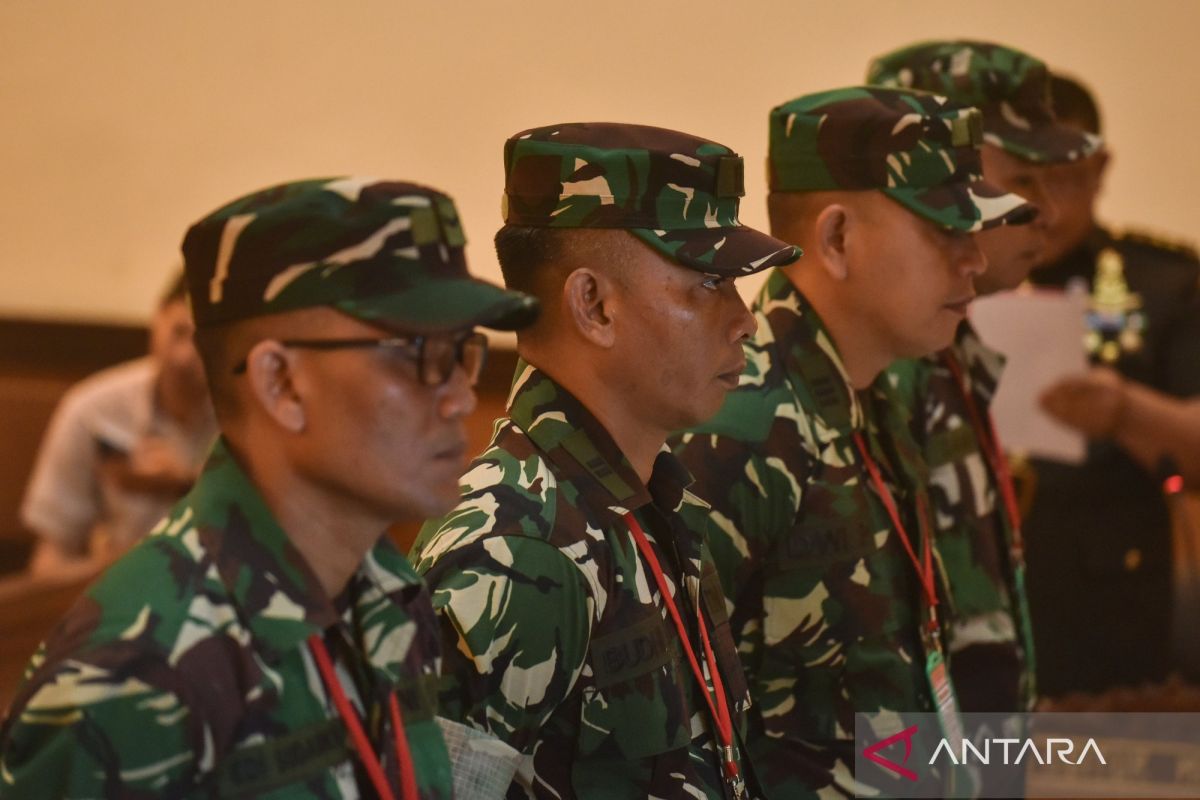
Four Indonesian National Armed Forces (TNI) personnel are facing a verdict hearing over the alleged assault involving an acid attack on KontraS Deputy Coordinator Andrie Yunus at Military Court II-08 in Jakarta on Wednesday. The four defendants are Second Sergeant Edi Sudarko, First Lieutenant Budhi Hariyanto Widhi, Captain Nandala Dwi Prasetya, and First Lieutenant Sami Lakka. According to the Case Tracking Information System of the Jakarta Military Court II-08, the sentencing hearing is scheduled for 9:00 a.m. Western Indonesian Time in the Garuda courtroom, presided over by Head Judge Colonel Fredy Ferdian Isnartanto of the Legal Corps. In relation to the case, military prosecutors have demanded a criminal sentence of two years and six months imprisonment for each of the four TNI personnel. The Military Oditur maintains that the defendants have been proven guilty of committing the criminal act of jointly participating in a premeditated assault resulting in serious injury. The four personnel were accused of dousing Andrie Yunus with acid with the intention of teaching him a lesson and creating a deterrent effect to stop him from speaking ill of the TNI institution. Other actions that angered the defendants included Andrie’s legal challenge to the TNI Law at the Constitutional Court, his accusation that the TNI had intimidated or carried out terror at the KontraS office, and his allegations that the military was the mastermind or actor behind the late August 2025 riot tragedy, alongside his vigorous promotion of anti-militarism narratives. The actions of the TNI personnel, who had planned the acid attack against Andrie while knowing the chemical liquid could cause severe burns, were deemed to be inappropriate conduct for members of the armed forces. For their actions, the four defendants face criminal penalties under Article 469 paragraph (1), or Article 468 paragraph (1), or Article 467 paragraph (1) in conjunction with paragraph (2) in conjunction with Article 20 letter C of the National Criminal Code.