
Four Eye Diseases That Can Develop Without Symptoms, One of Them Irreversible
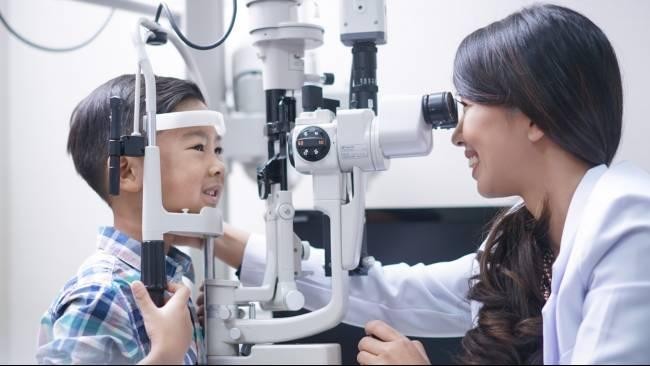
Eye problems are not always accompanied by pain or immediately noticeable symptoms. Some conditions can develop gradually without the patient realising it, eventually causing severe visual impairment and permanent damage.
Prof. dr Budu, Ph.D., Sp.M(K), M.Med.Ed, chair of the Indonesian Ophthalmologists Association’s central board (PP PERDAMI), warned the public not to wait until their vision is affected before having an eye examination. He said several eye diseases can develop without clear symptoms in their early stages, meaning many patients seek medical help only after their vision has deteriorated significantly.
“Many eye diseases creep up silently,” Budu said at a media briefing for World Sight Day 2026 at the Ministry of Health in Jakarta on Tuesday (13 October 2026).
“Glaucoma is a term many people have heard. Among eye doctors, it is known as the thief of sight. It really does steal our vision because we do not realise it is happening; it progresses slowly and can eventually lead to blindness,” he said.
He stressed that damage to the optic nerve caused by glaucoma cannot be reversed. Early examination and detection are therefore essential to preserve the vision that remains.
Budu identified four eye conditions that warrant attention because delaying until symptoms appear could mean they are treated too late.
1. Glaucoma
Glaucoma can damage the optic nerve and cause permanent vision loss. It may develop without pain, while the patient’s field of vision gradually narrows, particularly at the edges.
Because existing vision loss cannot be reversed, checking eye pressure and the optic nerve is important for detecting the disease early.
2. Diabetic retinopathy
Diabetic retinopathy is a complication of diabetes that damages the retina. Budu explained that a patient’s vision may still seem normal even as the condition develops.
If treatment is delayed, retinal damage can lead to permanent visual impairment. People with diabetes are therefore advised to have regular retinal examinations, including annual checks to detect changes in the eye.
3. Cataracts
A cataract forms when the eye’s lens becomes cloudy, causing increasingly blurred vision. Although often associated with ageing, cataracts need attention because they can interfere with daily activities and increase the risk of falls, particularly among older people.
Unlike glaucoma, whose damage cannot be reversed, vision problems caused by cataracts can generally be treated with surgery. Cataract surgery is covered by the National Health Insurance (JKN) programme, subject to the applicable rules.
4. Vision disorders in children
Vision problems in children also need to be watched for, as not all children can recognise or explain the difficulties they are experiencing. Refractive errors and lazy eye, or amblyopia, are two conditions that require early attention.
If detected late, amblyopia can be more difficult to treat because childhood includes a critical period for visual development. Early vision checks, including screening at school, are therefore important to prevent more serious problems.
Dr Andi Saguni, MA, acting director-general for disease control at the Ministry of Health, said parents and teachers have an important role in identifying vision problems in children. Signs to watch for include frequent squinting, holding books or screens close to the face, and difficulty seeing writing on the classroom board.
“Children may not realise or be able to tell someone that their vision is impaired,” Andi said.
He said regular eye examinations should become part of routine health care, rather than being sought only when symptoms emerge. Checks at primary healthcare facilities can identify conditions such as refractive errors, cataracts, glaucoma and retinopathy early, allowing patients to receive further examinations.
However, Andi cautioned that initial screening must be followed by appropriate treatment if an eye problem is found.
“Screening is not the end goal. What we want is continuity of care: people are screened, a problem is detected, and then they receive follow-up appropriate to their needs and the capacity of the healthcare service,” he said.
Dr Siti Nadia Tarmizi, M.Epid, director of non-communicable diseases at the Ministry of Health, also urged the public not to ignore the results of eye checks, particularly for schoolchildren. She said some parents do not follow up when screening finds a child has a vision problem.
“If a problem is detected during schoolchildren’s health checks, the child must be examined again at a community health centre,” Nadia said.
She also highlighted that some children are reluctant to wear glasses even after receiving them free of charge. Wearing glasses prescribed according to examination results is necessary to help children see clearly and support their learning.
Nadia warned that untreated vision problems can have far-reaching consequences, affecting daily activities, education, productivity and families’ economic circumstances. The public is therefore urged to seek care at a community health centre or from an ophthalmologist if they experience vision problems, and to follow the recommended treatment.