
Four Eco-Friendly Menstrual Products to Reduce Waste
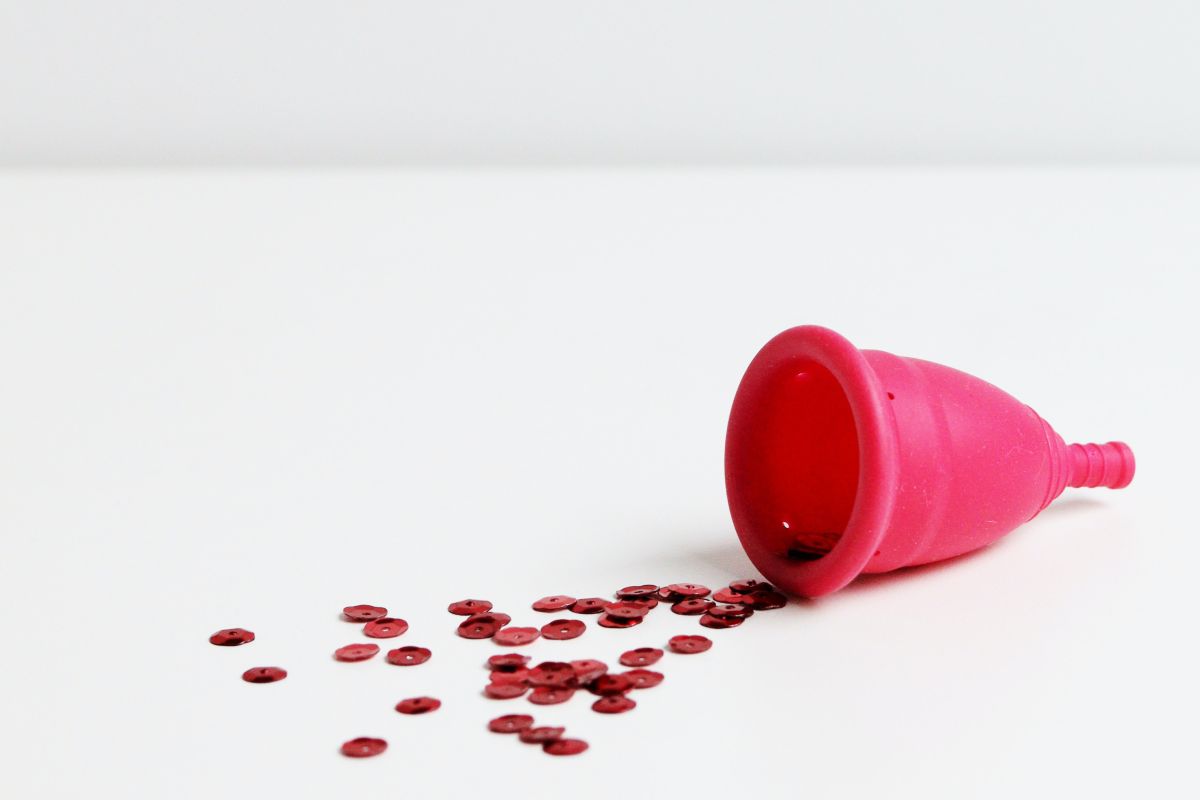
Jakarta (ANTARA) – Disposable menstrual products are practical to use, but their continued use can generate considerable waste.
There is now a wider range of menstrual products, including items designed to reduce environmental impact. Some can be washed and reused, such as menstrual cups, cloth pads, pantyliners and period underwear. Organic tampons are also available: they are single-use but made from biodegradable cotton, making them a more environmentally friendly option.
Here are several eco-friendly menstrual products to consider.
Menstrual cups
Menstrual cups are one reusable option. They collect menstrual blood and can be worn for up to 12 hours before being emptied, cleaned and used again.
WebMD explains that cups are generally made from medical-grade silicone or rubber and can last for up to 10 years. Over that period, one menstrual cup is estimated to generate only around 0.4 per cent as much plastic waste as disposable pads and 6 per cent as much as tampons.
The Guardian cited a study entitled “Menstrual Products: A Comparable Life Cycle Assessment”, which compared the environmental impact of different menstrual products. It found that menstrual cups had the lowest environmental impact of those examined. Using a cup over the long term can help reduce waste.
Cloth pads and pantyliners
Cloth pads and pantyliners can be washed after use and reused. They are generally made from more environmentally friendly materials, such as cotton or bamboo, which biodegrade more readily.
According to Clean Hub, some products use polyester in one of their absorbent layers and therefore still contain plastic. Even so, reusing them can help reduce waste compared with disposable pads and pantyliners.
Period underwear
Period underwear has absorbent fabric layers that collect menstrual blood, allowing it to be worn without a pad or tampon. After use, it can be washed and worn again.
The product still requires water and electricity for washing. However, some sources say period underwear is more environmentally friendly than cloth pads because underwear needs to be washed even when a person is not menstruating.
Organic tampons
Organic tampons are single-use, like conventional tampons. The difference is that they are generally made from organic cotton grown without pesticides or synthetic fertilisers. This material biodegrades more readily and can help reduce waste accumulation.
Organic tampons are also often chosen because they are generally free from chlorine, dioxins, rayon and synthetic materials. They may be an option for people seeking to reduce exposure to certain substances or who have sensitive skin.