
Four Carbon Projects Begin Trading, Social Forestry to Reap Benefits
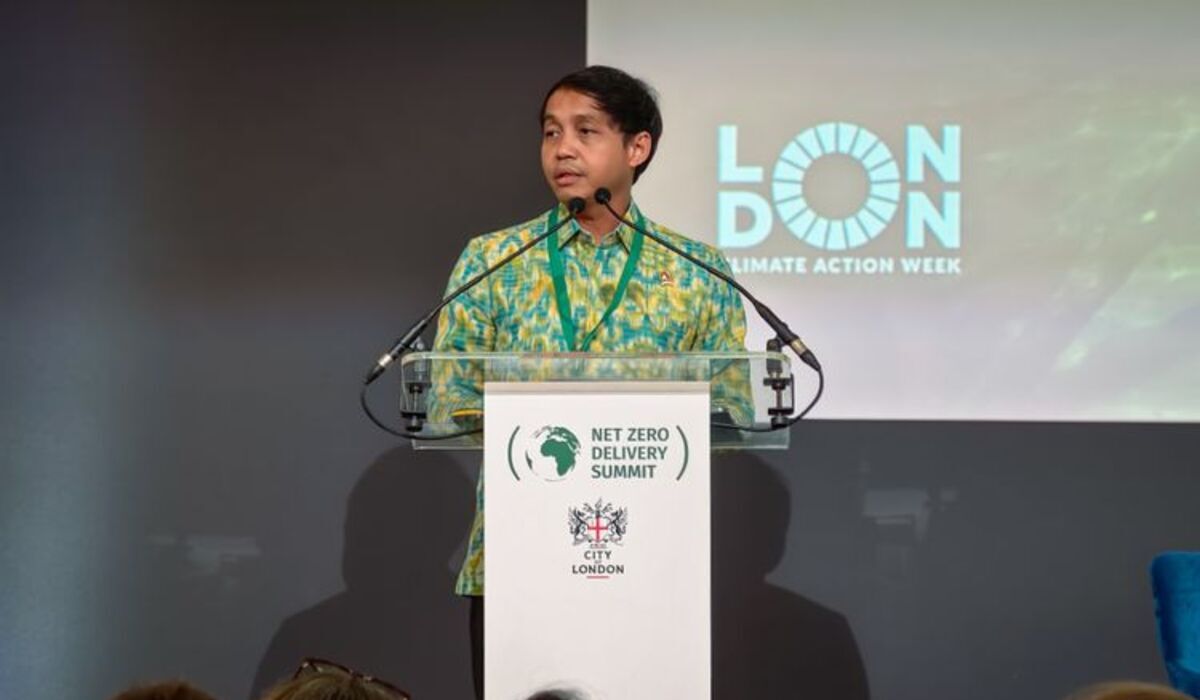
Minister of Forestry Raja Juli Antoni has stated that the government has begun operating carbon trading from the forestry sector by granting permits to four carbon projects, comprising three Forest Utilisation Business Permit (PBPH) holders and one social forestry project.
According to Raja Juli, the step marks an important milestone after the government launched the Carbon Unit Registry System (SRUK) as part of the implementation of the national carbon trading scheme.
He said the process towards the launch of the SRUK required a long time and involved coordination across ministries and agencies.
“Today is a very important moment in the history of the Republic of Indonesia, namely that we can finally launch the SRUK,” said Raja Juli on Thursday (9 July).
He revealed that the carbon trading permits for the four projects had been issued a few days before the launch of the SRUK, meaning carbon trading activity from the forestry sector has already begun.
“I have issued permits to three PBPH holders and one social forestry project that can now be traded,” he said.
Raja Juli emphasised that the government wants to ensure the benefits of carbon trading are enjoyed not only by large companies but also by communities who manage forests.
According to him, the scheme will open economic opportunities for around 8.3 million hectares of social forestry areas and roughly 1.4 million hectares of customary forests.
“Carbon trading is not only for the elite, not only for those who are already wealthy, but also for communities on the ground,” he said.
He believes communities who have long guarded forest areas deserve economic incentives through the carbon trading mechanism, as they have contributed to emission absorption and environmental preservation.
Raja Juli also expressed appreciation to officials at the Ministry of Forestry involved in drafting regulations and preparing for the SRUK launch.
According to him, the success would not have been possible without the President’s support and cross-ministerial cooperation in resolving various regulations that had previously hindered the implementation of carbon trading.
He hopes carbon trading can become a new source of financing for forest conservation while improving the welfare of communities living around forest areas.
As a result, community groups managing forests now have the opportunity to be directly involved in the carbon trading mechanism.
The government has officially begun implementing carbon trading in the forestry sector through the Non-Certified Greenhouse Gas Emission Reduction (Non SPE-GRK) scheme.
Minister of Forestry Raja Juli Antoni launched four carbon trading projects, including social forestry, as a concrete step towards President Prabowo’s green economy agenda.
Agroforestry in Jember is being promoted as a productive economic source for communities living around forests through partnerships and the strengthening of Social Forestry.
The Environmental Fund Management Agency (BPDLH) has officially begun a Blended Finance Model (BFM) project to strengthen the economy of forest-edge communities through an inclusive and sustainable financing scheme.
He emphasised that the community’s long wait has finally been realised with the issuance of the Social Forestry Decree.