
Foundation, Not Medals
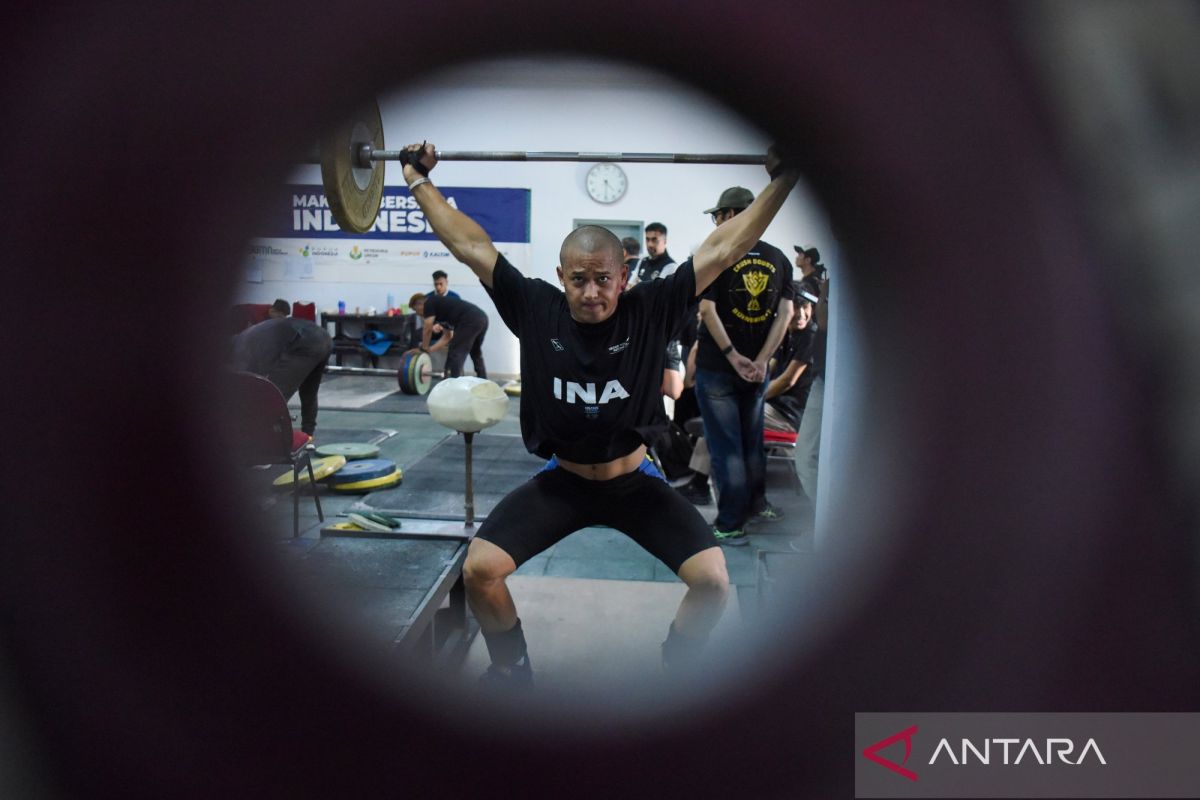
In conversations about Indonesian sports achievement, attention almost always falls on medals, rankings, and match results. Yet a far more fundamental question is rarely asked: has our athlete development system been running sustainably, without interruption?
For athletes, especially those in their peak performance phase, continuity is often more important than the euphoria of a momentary victory.
Historically, national sports development has followed a predictable rhythm. Centralised training programmes are intensified ahead of major events like the SEA Games, Asian Games, or Olympics. Afterwards, the cycle resets. This pattern is not born purely from technical sporting considerations but also follows the way the state funds programmes through annual budget mechanisms.
Consequently, when the fiscal year ends, national training often grinds to a halt. At the start of the following year, programmes must wait for administrative processes and fund disbursements before resuming. For the bureaucracy, a gap of a few months may seem normal. For an athlete, that gap can mean the loss of training momentum built over a long period.
It is in this context that President Prabowo Subianto’s approval of a multi-year funding scheme for national training, during a meeting in Hambalang on 19 June, should be seen as more than just a change in financing mechanisms. This policy touches on one of the most fundamental issues in Indonesian elite sports: sustainability.
For years, many sports have faced a similar situation. Coaches design long-term training programmes, but funding certainty is only available for a single budget year. As a result, planning often has to be adjusted to the fiscal calendar rather than the needs of the athletes. Yet the making of a world-class athlete never happens in a one-year cycle. An athlete’s journey, from adolescence or even childhood to competing on the Olympic stage, requires a long, layered, and often non-linear process. There are phases of physical improvement, technical adaptation, mental strengthening, and the accumulation of international competition experience. All these stages take years and cannot be treated as a project that starts from scratch annually.
In this context, the multi-year budget concept proposed by Minister of Youth and Sports Erick Thohir becomes relevant. This policy gives federations and coaches the space to design programmes based on the needs of their sport, rather than merely following annual administrative boundaries. Athletes can train with a more stable rhythm, while coaches have the certainty to design long-term periodisation that has previously been difficult to implement optimally.
However, the discussion between the Minister, accompanied by Indonesian national football team coach John Herdman, and President Prabowo in Hambalang did not stop at national training matters. What is interesting is how several agendas discussed appeared interconnected, pointing towards an effort to build a more complete sports ecosystem. One such agenda is the plan to build a National Sports Academy aimed at nurturing talent from an early age. If athlete development has often started only when someone has already shown achievement, this academy seeks to move the starting point of development to a much younger age.