
Fossil Found in a Drawer Revealed as Antarctica's First Dinosaur Discovery
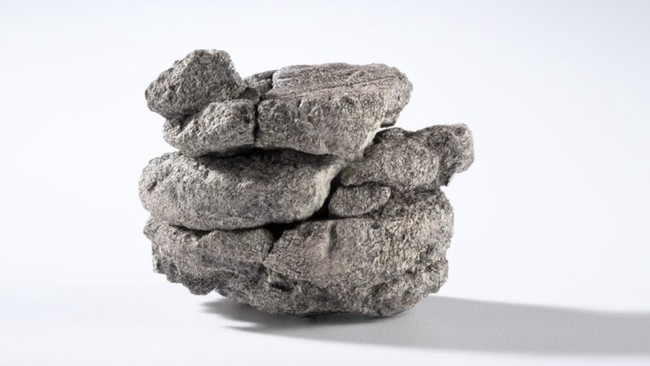
A fossil that spent more than four decades forgotten in an archive drawer has finally been revealed as the first dinosaur bone ever discovered in Antarctica. The specimen was originally found during a British Antarctic Survey expedition in the 1980s by geologist Mike Thomson on James Ross Island, located on the southeastern side of the Antarctic Peninsula. While mapping rock layers, Thomson and his team collected various fossils, including a large vertebra, which was then taken to the UK and stored in the survey’s collection. In his field notes, Thomson briefly described the bone and included a small sketch, but it was never formally studied. More than 40 years later, paleontologist Mark Evans, who manages the geological collections at the British Antarctic Survey, came across the fossil. ‘When I first saw this bone in our collection a few years ago, I suspected it was a dinosaur,’ Evans said. After detailed analysis, Evans and his team confirmed the vertebra belonged to a sauropod dinosaur from the Late Cretaceous period. The bone was identified as an upper tail vertebra from a titanosaur, making it only the second sauropod fossil ever found in Antarctica. The researchers classified it as a lithostrotian titanosaur, and noted its striking similarity to Muyelensaurus pecheni, a species previously discovered in Argentina. This connection supports theories about how these massive herbivores dispersed across the supercontinent Gondwana before it broke apart. ‘There are currently no titanosaurs known from Australia, and only very limited evidence from New Zealand, so confirming their presence in Antarctica helps fill in a significant gap,’ explained Paul Barrett, a paleobiologist at the Natural History Museum in London. The study, published in the journal Acta Palaeontologica Polonica, highlights how significant scientific discoveries can sometimes be hidden in plain sight within museum collections.