
Fortified rice must be more affordable to enter the mass market, says KFI
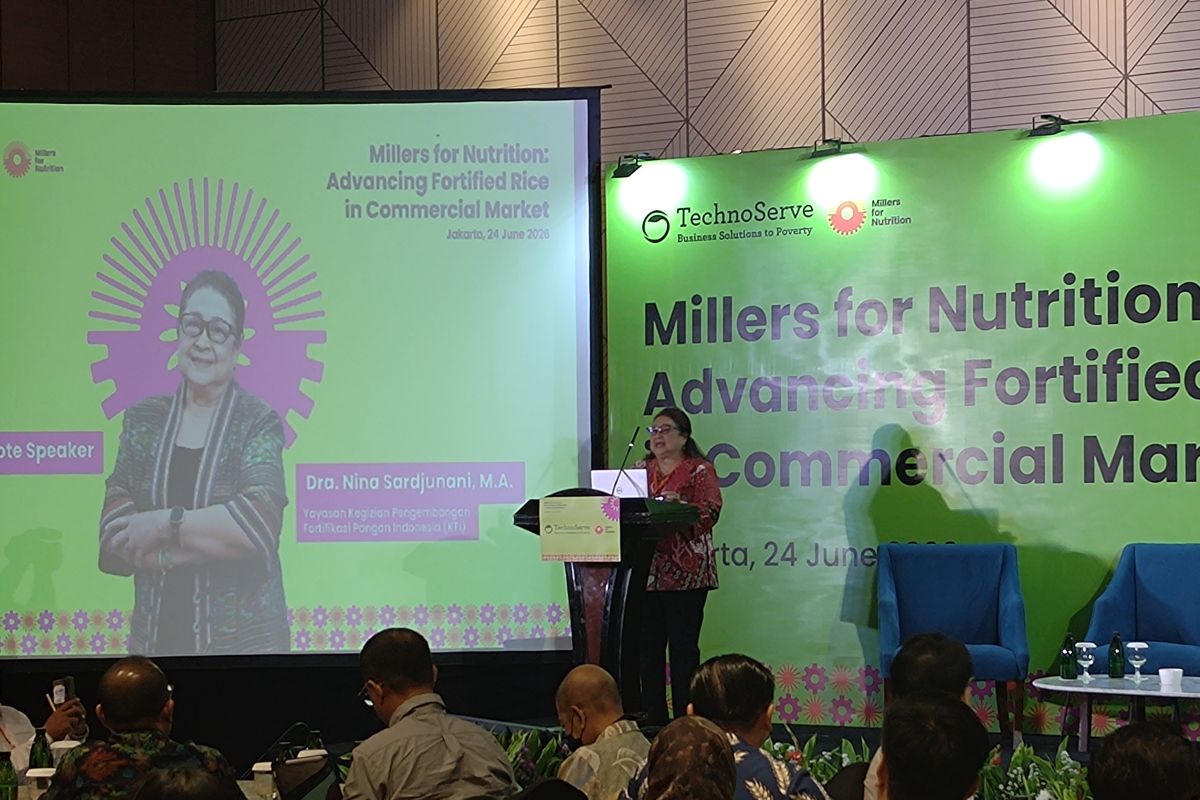
Jakarta (ANTARA) – Director of the Nutrition Foundation for Food Fortification Development of Indonesia, also known as the Indonesian Fortification Coalition (KFI), Nina Sardjunani, stated that fortified rice needs to be made more affordable so it can enter the retail market and reach a wider segment of society. “Fortified rice is not merely a food innovation; it is the foundation for the nation’s future nutrition,” Nina said during the “Millers for Nutrition: Advancing Fortified Rice in Commercial Market” forum in Jakarta on Wednesday. Fortified rice is ordinary rice mixed with kernels (artificial rice) containing high levels of nutrients and vitamins. She said rice fortification is important because rice is a staple food consumed by more than 90 percent of Indonesia’s population, making it an effective vehicle to address micronutrient deficiencies. According to her, micronutrient deficiency, or hidden hunger, can lead to anaemia, reduced productivity, impaired child intelligence, weakened immunity, and diminished human resource quality. She noted that rice fortification is a relatively inexpensive nutritional intervention. Based on KFI calculations, the additional cost for rice fortification is estimated at around Rp1,000 per kilogram. Nina said that with this figure, the average additional cost of fortifying rice is estimated at approximately Rp15,900 per person per year. This amount is considered relatively affordable if fortified rice is eventually used in government programmes such as social assistance or the Free Nutritious Meals (MBG) scheme. “Fortification is indeed a very effective and cheap intervention, so that everyone who consumes it receives micronutrient intake,” she stated. However, she cautioned that the development of fortified rice must be carried out in stages, as it requires regulatory readiness, industrial capacity, distribution, quality control, and public literacy. Nina stressed that product pricing is one of the main issues, as commercial fortified rice currently tends to be categorised as speciality rice using premium raw materials. “This price must allow a reasonable profit margin for the industry, but on the other hand, consumers must be protected,” she said. Meanwhile, President Director of PT Bungasari Flour Mills Indonesia and member of the Millers for Nutrition Advisory Board, Budianto Wijaya, said that rice fortification technology is essentially ready, but the main challenges lie in policy, supervision, and ecosystem synergy. He noted that the number of rice mills in Indonesia is very large and most are small-scale, so the development of fortified rice must start with more prepared industry players to ensure product quality is easier to maintain. “We hope the rice will be affordable for many people,” Budianto said. From the downstream side, Executive Director of the Indonesian Retail Entrepreneurs Association (Aprindo), Dasep Suryanto, said modern retailers see opportunities for developing fortified rice but still face a price range that is too wide. Dasep noted that the price of fortified rice in retail currently ranges from Rp90,000 to around Rp130,000 per 5 kg package, requiring collaboration with the government to maintain price affordability, shorten distribution, and increase consumer education. “What we want is for the public to easily obtain rice containing sufficient nutrients, but at an affordable price,” he expressed. The government, through the National Food Agency (Bapanas), has stated that accelerating the implementation of fortified rice is one of the strategies to improve the quality of public nutrition without changing staple food consumption patterns. Bapanas has established fortified rice standards and compiled technical guidelines covering the production process, labelling, testing, and product supervision. Furthermore, the government is also pushing for quality and price supervision of fortified rice in the market. Head of Bapanas and Minister of Agriculture Andi Amran Sulaiman has requested laboratory testing of the nutritional content of circulating fortified rice and provided supervisory direction so that the product can be accessed by the public at a reasonable price.