
Former World Palm Oil King Now Turns to Malaysia for Guidance
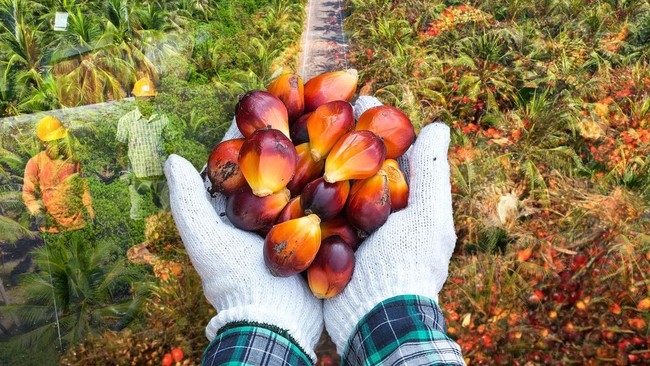
Nigeria, once the world’s leading palm oil producer, is now turning to Malaysia for guidance as its domestic industry struggles to keep pace with local demand. The West African nation, which historically supplied around 43% of global palm oil, now contributes only about 2% to the world’s crude palm oil (CPO) supply, according to Joe Onyiike, President of the Oil Palm Growers Association of Nigeria (OPGAN).
Nigeria’s annual palm oil requirement stands at approximately 2.7 million tonnes, but national production is only around 1.5 million tonnes. The shortfall of more than one million tonnes is met through imports from Malaysia, Indonesia, and other producing countries. UN Comtrade data shows Nigeria spent about US$155 million on palm oil imports in 2024, adding pressure to its foreign exchange reserves and food costs.
Industry players argue the problem is not simply a lack of land. Onyiike pointed to low plantation productivity caused by minimal innovation, limited use of technology, financing constraints, inconsistent government policies, and the absence of a national replanting programme. Around 80% of Nigeria’s palm oil production comes from smallholders who manage semi-wild plantations using traditional harvesting and processing methods.
In contrast, Malaysia has advanced to become a major global player, producing an estimated 20.28 million tonnes of palm oil in 2025 and exporting to over 150 countries. The sector contributed approximately US$27.5 billion in export earnings, representing about 3% of Malaysia’s gross domestic product, and supports around three million jobs across plantations, processing, logistics, and downstream industries. This growth was built on long-term investment, including research into superior varieties, replanting programmes, integrated processing facilities, smallholder empowerment, and the development of value-added products like oleochemicals and bioenergy.
Malaysia is now bringing this experience to Nigeria. At the Malaysia Market Connect event in Lagos, MPOC Chief Executive Officer Belvinder Sron stated Malaysia’s readiness to assist Nigeria through the provision of high-quality seedlings, research collaboration, technology transfer, and investment in the palm oil sector. The MPOC has also opened a representative office in Lagos to strengthen cooperation with local industry players. According to the MPOC, Malaysia exported around 300,000 tonnes of palm oil and related products to Nigeria in the past year, highlighting the size of the Nigerian market which continues to face a supply deficit. For Nigeria, the collaboration represents an opportunity to accelerate domestic production, while for Malaysia, Africa is a strategic market and a gateway to expanding its palm oil industry influence through investment, technology transfer, and supply chain strengthening.
Source: jawawa.id (https://jawawa.id/newsitem/former-world-palm-oil-king-now-turns-to-malaysia-for-guidance-1785847912)
Originally published by CNBC Indonesia (https://www.cnbcindonesia.com/research/20260804124006-128-756388/dulu-raja-sawit-dunia-negara-ini-kini-berguru-ke-malaysia), translated from Indonesian