
Former Supreme Court Secretary Nurhadi Faces Verdict Hearing in Gratuity-Money Laundering Case
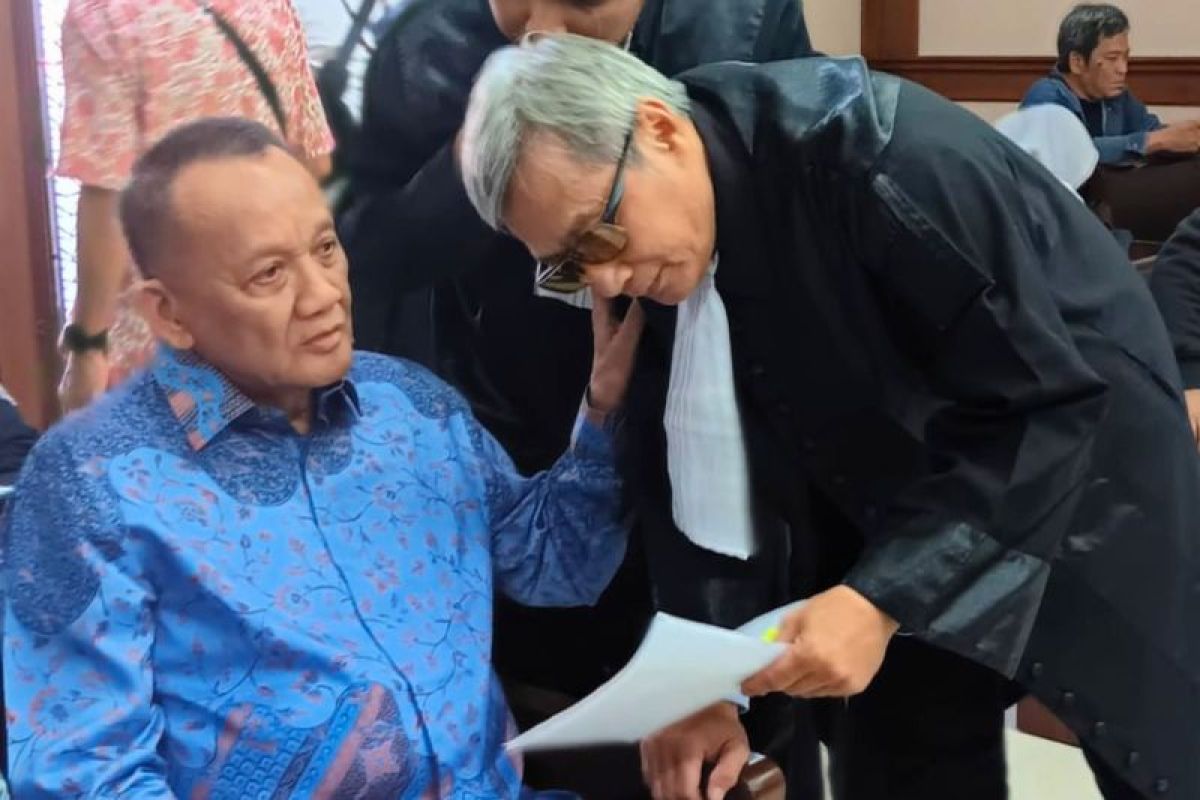
Jakarta (ANTARA) - Nurhadi, the Secretary of the Supreme Court (MA) for the period 2011-2016, is facing the verdict hearing in the suspected gratuity receipt and money laundering (TPPU) case at the Corruption Court at the Central Jakarta District Court on Wednesday. “The gratuity-TPPU case hearing for defendant Nurhadi, agenda: verdict,” said the Central Jakarta District Court spokesperson Andi Saputra to reporters. The hearing will be chaired by Judge Fajar Kusuma Aji. Previously, Nurhadi was demanded a criminal sentence of 7 years in prison, a fine of Rp500 million subsidiary to 140 days in prison, and repayment of substitute money amounting to Rp137.16 billion subsidiary to 3 years in prison. In the suspected gratuity receipt case in the court environment from 2013-2019 and TPPU from 2012-2018, Nurhadi is charged with receiving gratuities worth Rp137.16 billion. The gratuities are suspected to have been received from parties involved in cases in the court environment, both at the first instance, appeal, cassation, and judicial review levels, during Nurhadi’s tenure or after he completed his term as MA Secretary. The money was received by Nurhadi through accounts in the name of Rezky Herbiyono, who is Nurhadi’s son-in-law and trusted aide, as well as accounts in the names of others instructed by Nurhadi or Rezky, including Calvin Pratama, Soepriyo Waskita Adi, and Yoga Dwi Hartiar. The gratuities are suspected to have come from several parties, including from the owner of PT Sukses Abadi Bersama, Hindria Kusuma; Commissioner of PT Matahari Kahuripan Indonesia (deceased) Bambang Harto Tjahjono; and PT Sukses Abadi Bersama from 22 July 2013 to 24 November 2014, worth Rp11.03 billion. In addition to receiving gratuities, Nurhadi is also suspected of committing TPPU worth a total of Rp308.1 billion, comprising Rp307.26 billion and 50,000 US dollars or equivalent to Rp835 million (exchange rate Rp16,700 per US dollar). The money laundering was carried out by placing funds in accounts in the names of others, spending or paying for the purchase of land and buildings, as well as spending on vehicles. Thus, the former MA Secretary faces penalties under Article 12B in conjunction with Article 18 of Law No. 31 of 1999 on the Eradication of Criminal Acts of Corruption as amended and supplemented by Law No. 20 of 2001, and Article 3 of Law No. 8 of 2010 on the Prevention and Eradication of Money Laundering Crimes in conjunction with Article 65 paragraph (1) first of the Criminal Code.