
Former KPK Leader: Anyone with Competence Can Calculate State Losses
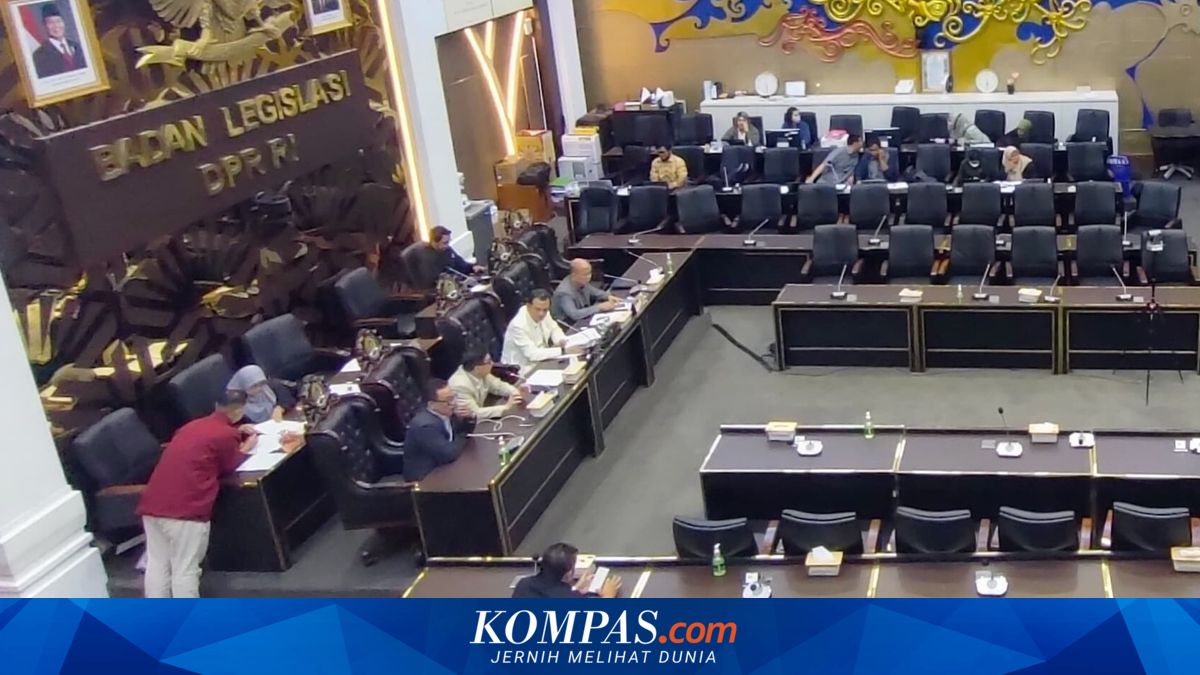
JAKARTA, KOMPAS.com – Former head of the Corruption Eradication Commission (KPK) Alexander Marwata has said that the calculation of losses in corruption cases does not have to be carried out by a single, specific body. He argued that anyone can calculate losses as long as they have the expertise and competence in the field.
‘When asked who is authorised to perform the calculation of state losses, I always say this: anyone can, provided they have the expertise and competence in the area,’ Alexander told a public hearing (RDPU) with the House of Representatives’ Legislative Body (Baleg), on Tuesday (19 May 2026).
Alexander explained that in corruption cases, state losses are one of the elements that must be proven in court. ‘Ultimately, the decision and determination of state losses in a corruption case is the judges’ verdict,’ he said. He admitted that he had previously rejected the results of state loss calculations conducted by the Audit Board (BPK) or the Financial and Development Supervisory Agency (BPKP) when he was still a judge. He said those decisions were made because the trial facts showed no loss, or the loss value differed from the audit results. ‘Several times, when I was a judge, I rejected the loss calculations of BPK or BPKP,’ he said. ‘The panel may agree, or may not,’ he emphasised.
Alexander also highlighted a tendency among some judges to immediately take over audit results without examining the trial facts further. ‘If a judge directly adopts audit results, whether from BPK or BPKP, the verdict can be misleading,’ he said.
In the RDPU, Alexander also stressed that not all corruption cases require an audit of state losses. He cited examples such as fictitious work or shortfalls in the volume of goods, which he argued can be proven directly by investigators and prosecutors in court.