
Former Komnas HAM Chair Believes Human Rights Law Revision is Essential
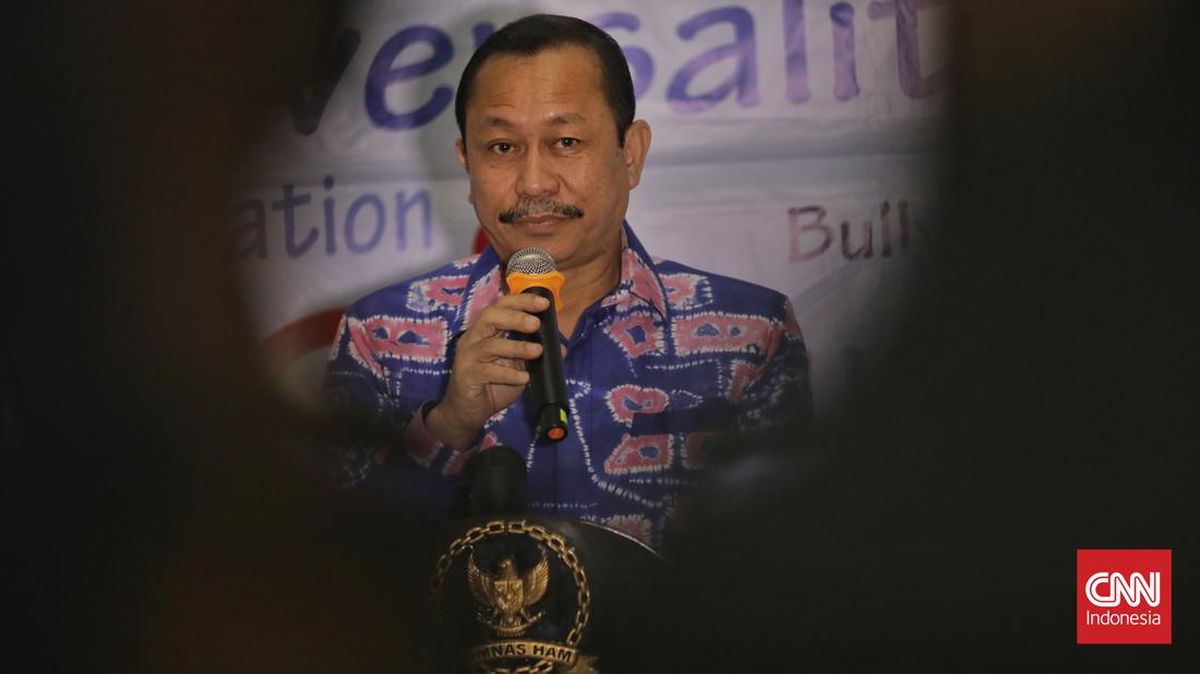
Ahmad Taufan Damanik, the Chairman of the National Commission on Human Rights (Komnas HAM) for the 2017-2022 period, believes that the Human Rights Bill (RUU HAM) is a vital step in addressing contemporary challenges and the evolving landscape of human rights issues over the last two decades. He stated that the bill does not merely update the norms within Law Number 39 of 1999 on Human Rights, but also strengthens state obligations, expands protections for vulnerable groups, and regulates corporate responsibility in respecting human rights.
“The revision of the Human Rights Law is highly necessary,” said Ahmad, quoting Antara on Thursday (30/7). According to him, various new issues—such as the impact of corruption on the fulfilment of citizens’ rights, environmental degradation, the protection of the elderly, and the rights of minority groups—are now essential components that must be accommodated in the regulation. He noted that Law Number 39 of 1999 was drafted in a different context than current conditions, meaning the new bill must incorporate recent developments to ensure human rights protections remain relevant.
He emphasised that the revision would also clarify the division of roles between state institutions. Taufan explained that the Human Rights Bill does not grant new powers to specific ministries or agencies, but rather reinforces the state’s duty to respect, protect, fulfil, enforce, and promote human rights. Meanwhile, Komnas HAM will remain positioned as an independent institution performing its oversight (check and balance) function regarding the implementation of state obligations.
Furthermore, he revealed that the Human Rights Bill introduces several significant updates, including designating corporations as subjects with responsibilities toward human rights, strengthening the weight of Komnas HAM’s recommendations, providing protection for human rights defenders, and accommodating international human rights law developments, including regulations on the limitation of rights based on the Siracusa Principles under certain circumstances. One of the bill’s drafters defended the process against claims of a lack of public participation, stating that meaningful participation is currently being demonstrated through academic engagement.
Juniarti Aritonang, Director of Legal Aid and People’s Advocacy in North Sumatra (Bakumsu), stated that the revision is an urgent need given that the current regulation has been in place for over 25 years. However, she emphasised that the updating of legal norms must be accompanied by strong implementation to ensure human rights protections are truly felt by the community. She expressed support for the changes, particularly the recognition of protections for indigenous peoples and farmers, as well as the strengthened regulations on corporate responsibility.
Nevertheless, she hopes these provisions will be further clarified to ensure greater effectiveness in human rights enforcement in Indonesia. She also reminded that the discussion process must uphold the principle of meaningful participation by maintaining transparency and consistency in the academic papers and the bill’s draft. The Human Rights Bill, which is a revision of Law Number 39 of 1999, is included in the National Legislation Programme (Prolegnas) and is targeted for ratification in 2026. The process is currently in the stage of public testing and substantive discussions with academics and relevant institutions.