
Former East Timor Residents Face Extreme Poverty for Nearly Three Decades
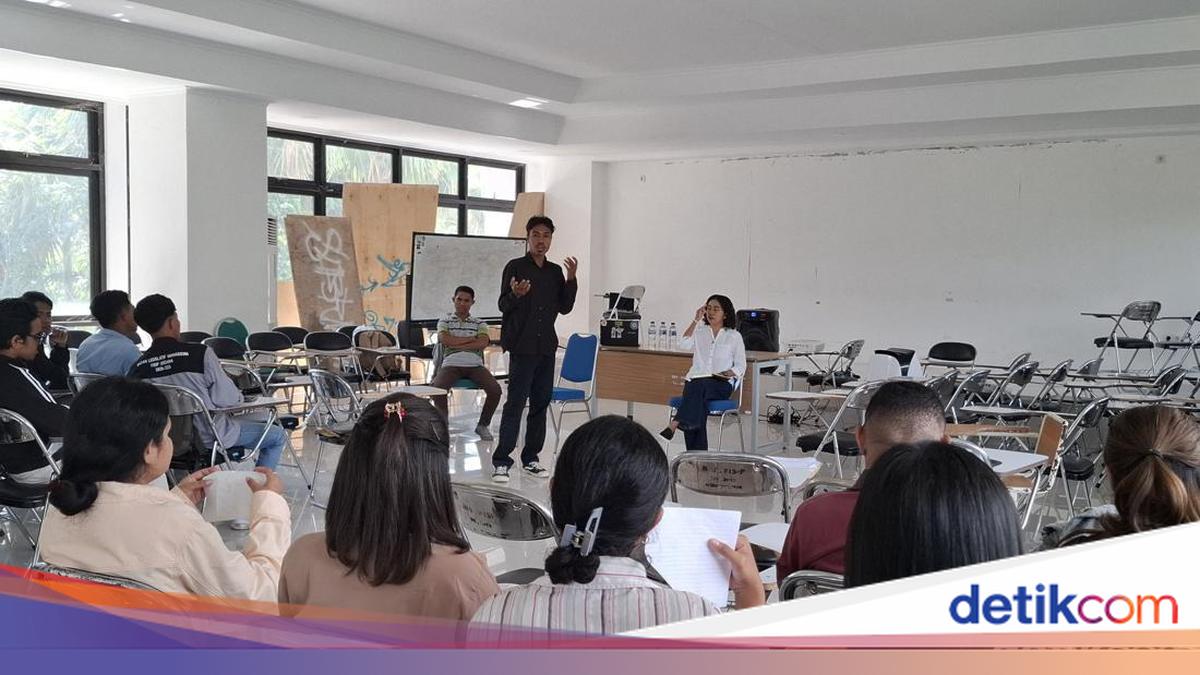
The issues of extreme poverty and high school dropout rates continue to plague the residents of former East Timor (Timtim) who have inhabited various locations in Kupang Regency, East Nusa Tenggara (NTT), for nearly three decades since 1999.
During a public lecture at Undana Kupang, Petrus Lopes, a resident of the former East Timor community, stated that despite the passage of years, the state has failed to resolve these fundamental issues. He explained that communities in villages such as Noelbaki, Oebelo, Tuapukan, and Naibonat face severe economic hardship due to a lack of arable land for farming. Furthermore, they face difficulties accessing healthcare services, often finding that BPJS Kesehatan (national health insurance) is not adequately accommodated for them. Lopes appealed to President Prabowo Subianto to ensure fair treatment and requested the provision of agricultural land to meet basic food needs and fund education.
Lopes emphasised that relocation without providing sufficient farmland is not a viable solution, as it merely complicates the cycle of unemployment and poverty. Currently, many residents survive by working on others’ land for a share of the harvest, or by working as fishermen and labourers, though these incomes are insufficient to sustain families or afford higher education.
Political science academic Christina Beatrix Banase revealed that research shows approximately 80 per cent of former East Timor residents struggle to educate their children, with school dropout rates reaching an average of 85 per cent, typically at the junior and senior high school levels. She noted that only a handful of individuals manage to reach university level. She highlighted that extreme poverty is a critical issue driving crime and forced migration out of NTT.
Additionally, Banase pointed out the disparity in recent housing projects, such as the 2,100 special housing units (Rusus) built for former East Timor fighters in Fatuleu, which failed to provide agricultural land. She argued that the only effective solutions are the provision of sufficient farmland, job opportunities, and scholarship quotas to break the ‘vicious cycle’ of poverty.
Another academic, Daud Beriledang, added that the complexity of these ongoing issues suggests the state has not yet seriously fulfilled its responsibilities. He noted that from the perspective of Pancasila, the state must implement its core values to eliminate the existing inequality and discrimination.