
Former Brawl Site in North Jakarta Transformed into Urban Farming, Evidence of Social-Ecological Transformation
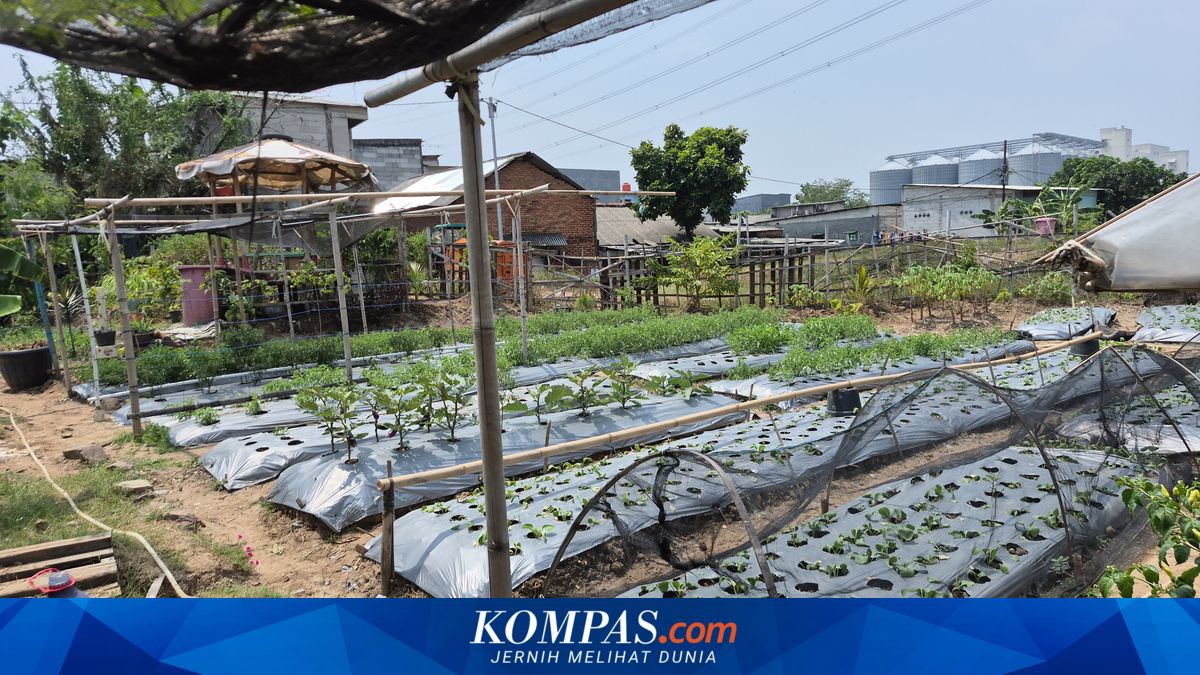
In the midst of a narrow alley in the densely populated RW 10 neighbourhood of Semper Timur, Cilincing, North Jakarta, the atmosphere that was once filled with tension and the clamour of clashes has undergone a drastic change. The narrow plot of land, previously known as a high-risk spot for brawls, has slowly been transformed into a green and productive urban farming garden. Amid rows of tightly packed houses, young people are now busy tending to vegetable plants, watering them, and harvesting the produce. The 1.5-hectare urban farm was built on abandoned land remaining from the construction of the Rawa Malang Reservoir, owned by the DKI Jakarta Water Resources Agency. “The reason is that before it became this (urban farm), it was indeed a rubbish dump. If it wasn’t planted like this, the rubbish would accumulate a lot over time,” said Dwi Angga Mukti (26), Chairman of the Bangun Karya Mandiri Farmers’ Group in RW 10 Semper Timur, when met at the site on Tuesday (28/4/2026). Now, the urban farming land planted with various vegetables continues to develop and grow every day. In fact, Angga and nine other Gen Z individuals can harvest 15 kilograms (kg) of vegetables per day. The vegetables most frequently harvested daily are mustard greens and basil, which they sell to bakso vendors, seblak sellers, and at the market. In one month, their gardening turnover reaches Rp 1.5 million, which is partly shared equally among the managers, with the excess going into the cash reserve for buying fertiliser, seeds, and other necessities. Mahawan Karuniasa, an environmental expert from the University of Indonesia, stated that the transformation of the former rubbish dump land into urban farming is an example of restoring urban space functions. “I see this not merely as planting activity, but as a social-ecological transformation. Land that was previously a rubbish point and a space for social conflict has turned into a productive space, an educational space, and a space for community collaboration,” Mahawan explained when interviewed by Kompas.com at the site on Tuesday (28/4/2026). He also appreciated the success of the urban farming in Cilincing due to the consistent efforts of the Gen Z participants. Mahawan noted that national data specifically mapping urban farming initiatives led by Gen Z is still very limited. Thus, the emergence of Gen Z urban farming groups is more appropriately described as a growing phenomenon, but still sporadic. They typically appear in communities, campuses, urban villages, RPTRA (Child-Friendly Integrated Public Spaces), youth farmers’ groups, and local environmental initiatives. “In Jakarta itself, urban farming is already quite structured. Data from the DKI Jakarta Agriculture, Food Security, and Livestock Agency in 2025 indicates there are 5,910 urban farming practitioners and 521 farmers’ groups, but that data is not yet segmented by generation,” Mahawan added. There are several factors considered to make Gen Z interested in farming in the middle of the city, one of which is that the urban farming sector unites environmental issues, healthy lifestyles, community, and small economic opportunities.
Source: jawawa.id (https://jawawa.id/newsitem/former-brawl-site-in-north-jakarta-transformed-into-urban-farming-evidence-of-social-ecological-transformation-1777463592)
Originally published by Kompas (https://megapolitan.kompas.com/read/2026/04/29/17525351/lokasi-tawuran-di-jakut-disulap-jadi-urban-farming-bukti-transformasi?utm_source=ABC&utm_medium=rss), translated from Indonesian