
Forgotten Baby Syndrome: How a Momentary Lapse Can Turn a Car into a Death Trap
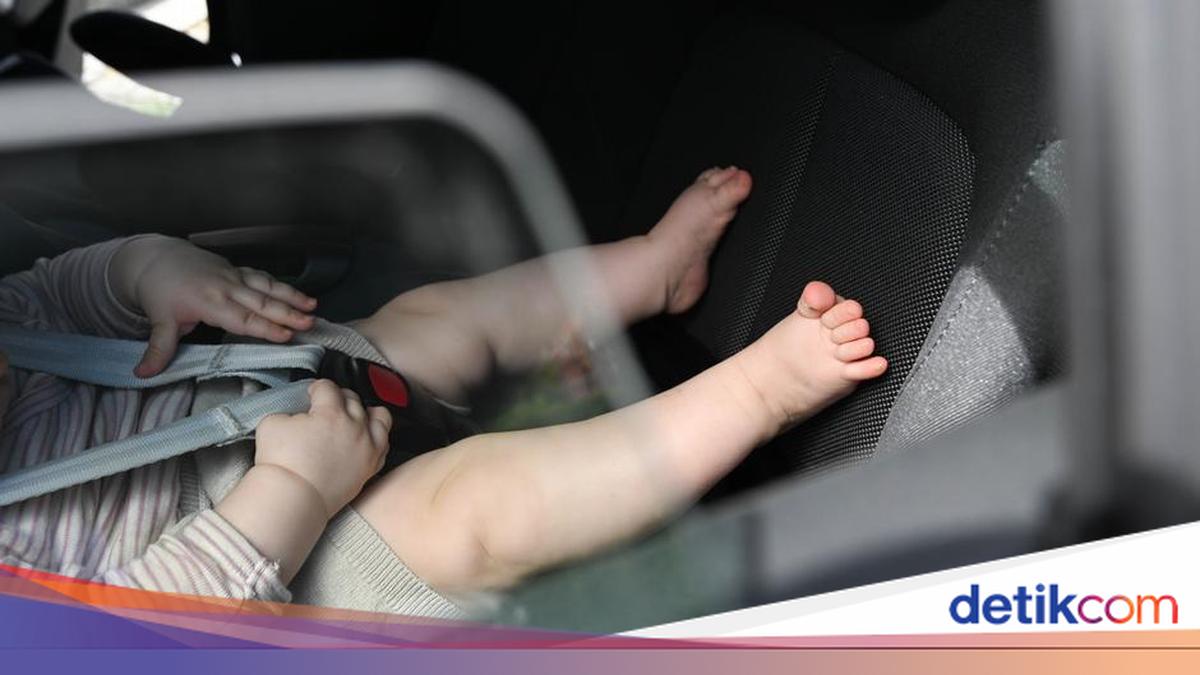
Bryce was just nine months old when he died of heatstroke in a car. His mother, Lyn Balfour, had not taken him to day care that day but instead drove to work and forgot he was in the vehicle. The incident occurred in the United States in 2007. Since then, hundreds of babies and toddlers have reportedly died in similar circumstances, with another case occurring recently in Germany. A car can turn into a death trap in a very short time. At an outside temperature of 30 degrees Celsius and in direct sunlight, the temperature inside a car can reach 40 degrees within just ten minutes, and after an hour it can exceed 50 degrees Celsius. ‘This is dangerous for anyone,’ said Nibras Naami, a paediatrician and senior physician at the Centre for Paediatric Haematology in Herdecke, Germany. ‘A toddler strapped into a child seat cannot free themselves from this situation,’ he explained. In mid-June, a 20-month-old child who had been forgotten in a car was found dead from the heat. In an Instagram post, Naami explained that the likely cause was ‘Forgotten Baby Syndrome’, an unintentional act of negligence where a child is left in a car. This can happen to parents who are cognitively sound, attentive, and deeply love their children. Psychologist David Diamond has researched how parents can simply forget their children. In the case of baby Bryce, the mother, Lyn Balfour, was charged with murder. The trial revealed that on the day of Bryce’s death, several things were different from the usual routine. Balfour was sleep-deprived and dealing with a family crisis. Her routine was altered, and the nappy bag, which usually served as a visual reminder of the baby’s presence, was not placed in the passenger seat where it could be easily seen. Diamond explained that these factors affect prospective memory, which is the memory for future intentions. He identified six factors that disrupt prospective memory: lack of sleep, chronic or acute stress, distraction, multitasking, lack of memory aids, and automatic routines. Psychologist Rya-Daniela Kocalevent from Berlin said these factors cause internal tension. When this tension is too high, rational action becomes very difficult, leading people to act impulsively or rely on ‘autopilot’, causing planned actions to be forgotten. To determine whether a parent intentionally endangered their child, psychologists examine previous behaviour, learning history, and background. In Lyn Balfour’s trial, it could not be proven that she intended to harm her son. Her brain had stored a false memory, believing Bryce was safely at day care as usual. Following his video on the syndrome, Naami received many messages from parents who had experienced similar lapses. One mother wrote that she had left her two-week-old baby in the car after dropping off an older child at kindergarten. She realised her mistake quickly and the weather was not hot, so the baby was fine. Italy has taken regulatory action, only permitting child seats with integrated alarm systems for children up to four years old since 2019. If a child is forgotten in the car, the parents receive a notification on their mobile phone. Germany does not yet have such a regulation, but various alarm systems are available for parents to install. Other preventative measures include placing a mobile phone or briefcase in the back seat, or using a baby toy on the front passenger seat as a visual reminder. However, none of these methods offer one hundred per cent protection.