
Forging Independence Through the Batik Canting of Bandung’s Artisans with Disabilities
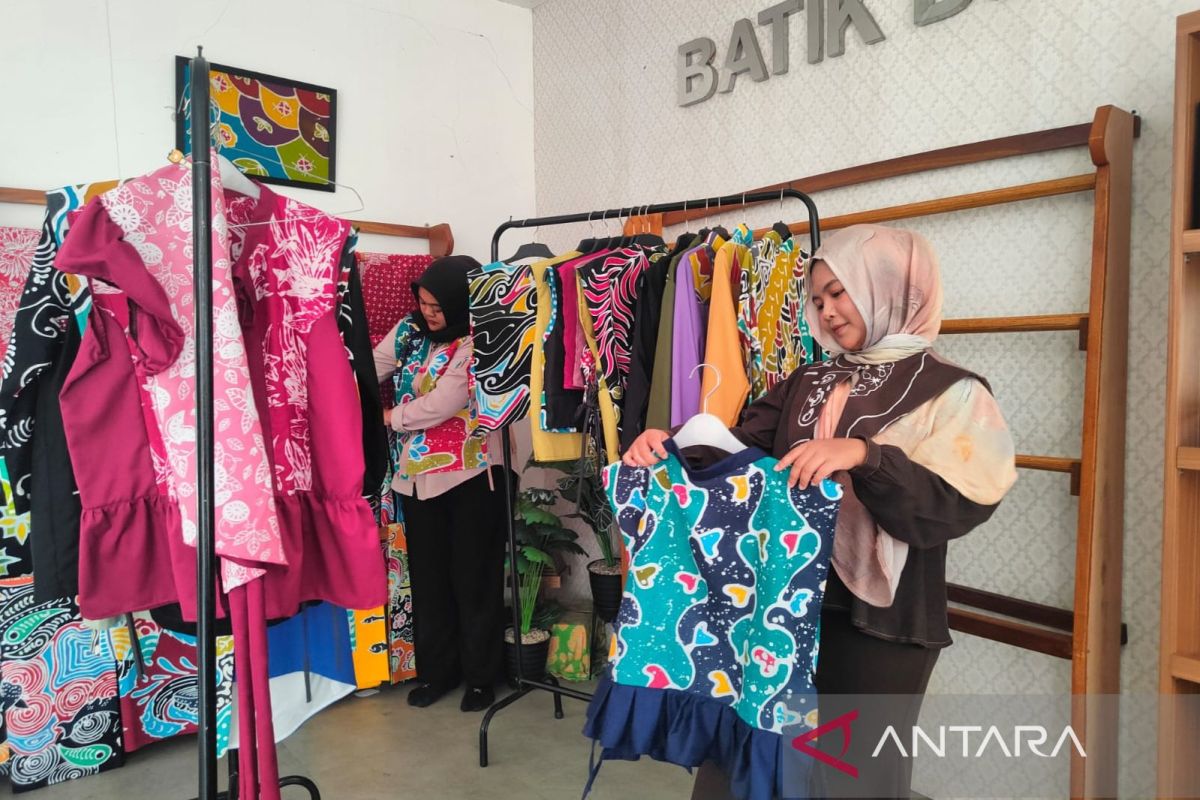
The artisans’ fingers continue to dance across the cloth, tracing patterns in colour, weaving hope and showing the world that economic inclusion is being put into practice.
Bandung (ANTARA) — The aroma of heated batik wax blends gently with the warm scent of fresh cotton, greeting visitors to a West Java provincial government facility on the border between Bandung and Cimahi.
The fragrance comes from a corner of the Regional Technical Implementation Unit (UPTD) of the Griya Harapan Difabel Social Services Centre (PPSGHD), under the West Java Social Affairs Agency. Here, plain white fabric is being transformed into works of art.
Over the spread of white cloth, a pair of hands slowly guides a canting, the traditional tool used to apply wax. The wax lines form beautiful patterns of marine life, painstakingly created by the artisans.
Behind the work’s aesthetic appeal, there are no professional artisans with formal art-school backgrounds. Every piece is made by the hands of ‘special artisans’ — people with disabilities receiving social support as they work towards economic independence.
This is where Batik Ge Hade (Griya Harapan Difabel) was born. A fashion and textile product with significant economic value, it does more than adorn the wearer: it turns the stigma of physical limitations into a story of empowerment.
Voices from behind the canting
Amid the activity in the batik workshop, the artisans concentrate as they apply wax with their canting, mix colours and complete each stage of production.
For these programme participants with disabilities, the opportunity to work with a canting and fabric is not simply a way to pass the time; it is a bridge towards self-respect.
One artisan entrusted with driving Batik Ge Hade’s production is Nurdin. The physically disabled man from Cianjur said he was grateful to be able to express himself freely through batik, which has also changed how he views the future.
Before joining the centre in 2020, Nurdin’s days in his village were quiet and largely spent raising chickens. He is now the dyeing coordinator and one of the respected figures at Batik Griya Difabel.
“I used to be unsure what work I could do because many places rejected people like us. Here, I was taught all sorts of knowledge and skills, including batik-making. At Batik Ge Hade, they taught me from scratch — how to hold the canting, mix colours and create patterns. When I found out that people were buying our work, and that it was even being worn by foreign artists, I immediately forgot how tired I was. It makes me proud: it turns out I can do it too,” Nurdin said.
Anggi has also gained confidence. She became physically disabled in 2014, when she was in the third year of senior high school and the motorbike she was riding was involved in a crash and run over by a lorry. The accident left her with serious physical injuries and deep emotional scars.
For years, Anggi struggled with despair. She reached the darkest point in her life and even thought about ending it.
Over time, however, support from those around her and her faith in God helped her find strength. She decided to carry on and join the PPSGHD training programme.
“I was once at my lowest point. But with the support of my family and the people around me, I was able to get back up. I eventually came here and regained the confidence I had lost,” she said.
Source: jawawa.id (https://jawawa.id/newsitem/forging-independence-through-the-batik-canting-of-bandungs-artisans-with-disabilities-1793501481)
Originally published by Antara (Indonesian) (https://www.antaranews.com/berita/5824439/menjemput-kemandirian-lewat-goresan-canting-disabilitas-dari-bandung), translated from Indonesian