
Forestry Ministry targets restoration of 15,000 hectares of critical ecosystems this year
Jakarta (ANTARA) - The Ministry of Forestry (Kemenhut) is targeting the restoration of 15,000 hectares of degraded critical ecosystems by the end of this year.
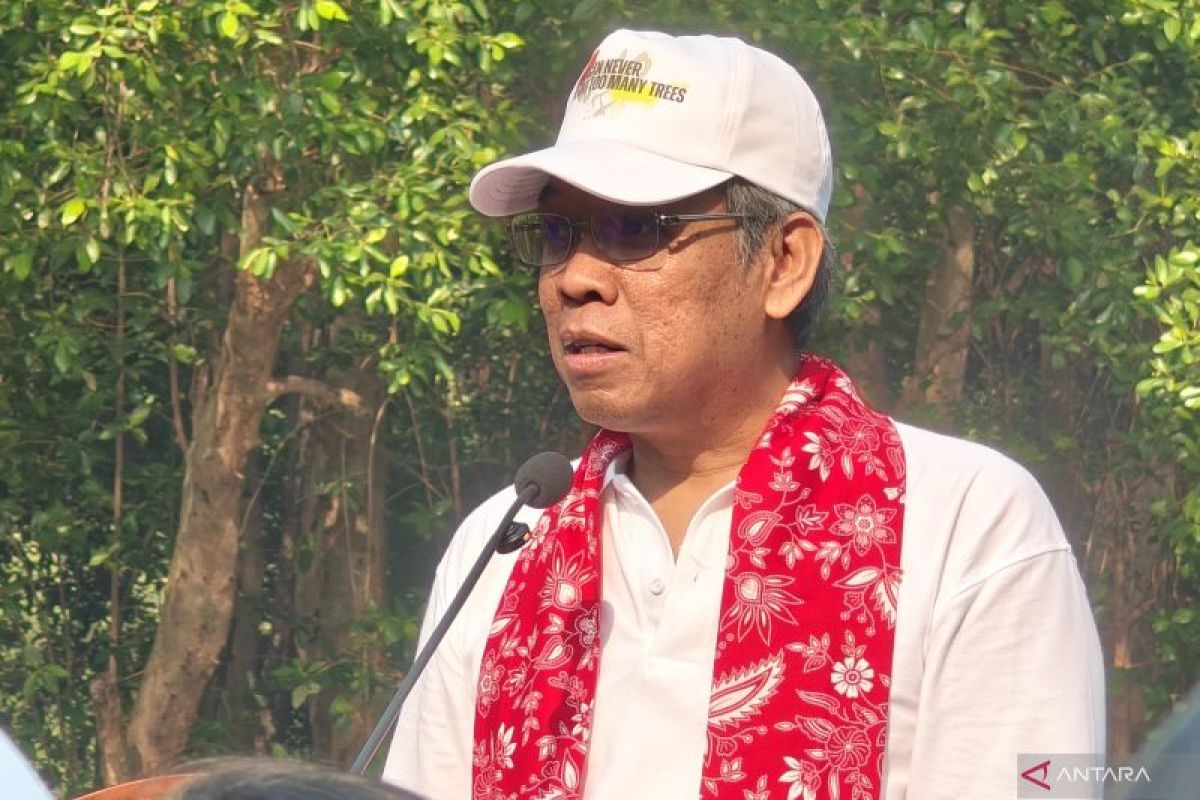
Director General of Natural Resources and Ecosystem Conservation (KSDAE) at the Ministry, Satyawan Pudyatmoko, stated at the Angke Nature Tourism Park in Jakarta on Monday that the restoration includes improving mangrove vegetation, peat minerals, forests, and recovering former encroached forest areas, with the largest focus on the Tesso Nilo National Park area in Riau.
“We have several degraded ecosystems. This means we must return them to forest, mangroves for example. Then there are also ecosystems damaged due to encroachment,” he said.
He explained that the 15,000-hectare ecosystem restoration target is spread across various locations managed by 47 KSDAE Technical Implementation Units (UPT) throughout Indonesia.
Specifically, around 1.27 million hectares are within conservation areas slated for restoration. This figure is part of a total of 12.7 million hectares of critical land, both inside and outside forest areas, that the government plans to restore by 2030.
For areas damaged by illegal encroachment, Satyawan said the Ministry must first complete the legal process and secure asset control before drafting a field action plan for restoration.
According to him, the largest ecosystem restoration allocation this year is in the Tesso Nilo National Park area to restore forest function from land converted for illegal oil palm plantations.
“The largest is in the Tesso Nilo area. As you know, in Tesso Nilo there are oil palms that we must return to forest,” he remarked, stressing that this tactical step is part of the government’s ongoing commitment to restoring critical forest areas and comprehensively safeguarding biodiversity.