
Forestry Ministry Strengthens Illegal Wildlife Trade Surveillance at Lampung Ports
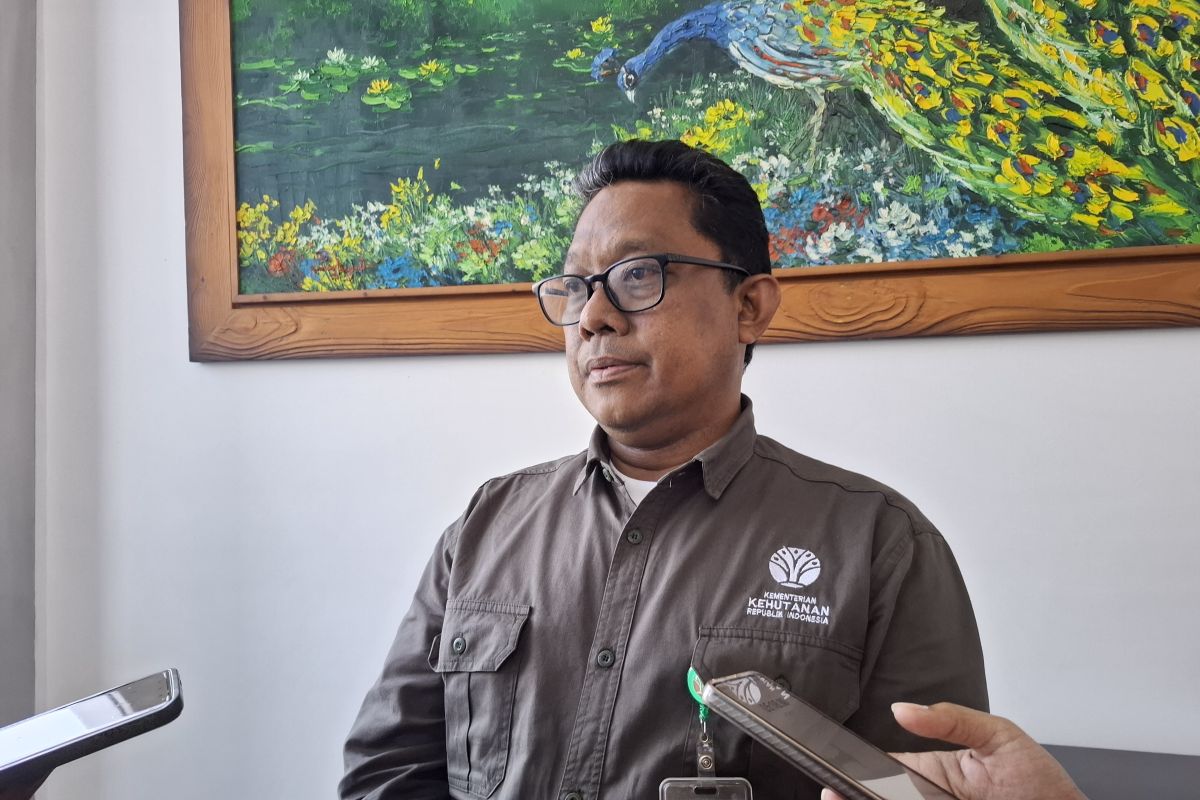
The Director of Species and Genetic Conservation at the Ministry of Forestry, Ahmad Munawir, stated that the ministry will continue its efforts to strengthen the surveillance of illegal wildlife trade in Lampung Province, particularly through its ports.
“One of the most critical locations for the surveillance and prevention of illegal wildlife trade is at the ports. In Lampung Province, two ports are vital for this prevention and monitoring: Bakauheni Port and Panjang Port,” Ahmad Munawir said in Bandar Lampung on Thursday.
He noted that port areas are highly vulnerable to wildlife trafficking and require stringent oversight. “There is a vast amount of wildlife trade through ports; while many activities are legal, many others are illegal. In just one year, we were able to prevent the illegal trade of almost 1,000 wildlife species. Therefore, Bakauheni and Panjang ports are priorities for surveillance,” he added.
He explained that this surveillance is conducted in collaboration with various stakeholders, including government agencies and the private sector. “This year at Bakauheni Port, surveillance is being conducted with the assistance of a wildlife detection dog unit in partnership with France. This is necessary because wildlife smuggling methods are becoming increasingly sophisticated, and we are greatly assisted by this unit,” he said.
He further stated that the ministry will continue to strengthen the monitoring of illegal wildlife trade and circulation at the ports in Lampung, which serve as the gateway to Sumatra Island.
“Throughout 2025-2026, the Ministry of Forestry has successfully thwarted various wildlife trade attempts, such as the interception of three tonnes of pangolin scales at Tanjung Priok Port. Our particular focus is on the logistics and container ports. Consequently, companies in the transport and logistics sectors hold a strategic position in breaking the illegal wildlife trade chain through these ports,” he added.
According to Munawir, because illegal wildlife trade networks rely heavily on logistics to transport contraband, if transport and logistics companies implement robust surveillance systems and foster a culture of zero tolerance towards wildlife trade, it will reduce illegal activities in the region.
Sofi Mardiah, Senior Manager of the Wildlife Trade and Policy Programme at WCS Indonesia, provided additional commentary. “Currently, there are many smuggling methods involving buses, private cars, and delivery couriers passing through ports, which we are continuously anticipating, especially in Lampung,” she said.
She continued that to enhance surveillance in collaboration with the Ministry of Forestry and a French logistics company, they will expand the operation of the wildlife detection dog unit at Panjang Port, which serves as a logistics hub.
“Moving forward, we will attempt to implement surveillance at Panjang Port as a container port with high container traffic, and we are currently processing the necessary permits. We will rotate three detection dogs during a single operation,” said Sofious Mardiah.
It is noted that since 2024, a collaboration between the Ministry of Forestry, CMA CGM Group, and WCS Indonesia has conducted 39 joint operations, successfully rescuing 957 animals from illegal trade, with 770 animals subsequently released back into the wild.
Source: jawawa.id (https://jawawa.id/newsitem/forestry-ministry-strengthens-illegal-wildlife-trade-surveillance-at-lampung-ports-1783000506)
Originally published by Antara (Indonesian) (https://www.antaranews.com/berita/5632835/kemenhut-perkuat-pengawasan-perdagangan-ilegal-satwa-liar-di-lampung), translated from Indonesian