
Forestry Ministry Steps Up Javan Rhino Conservation at Ujung Kulon National Park’s JRSCA
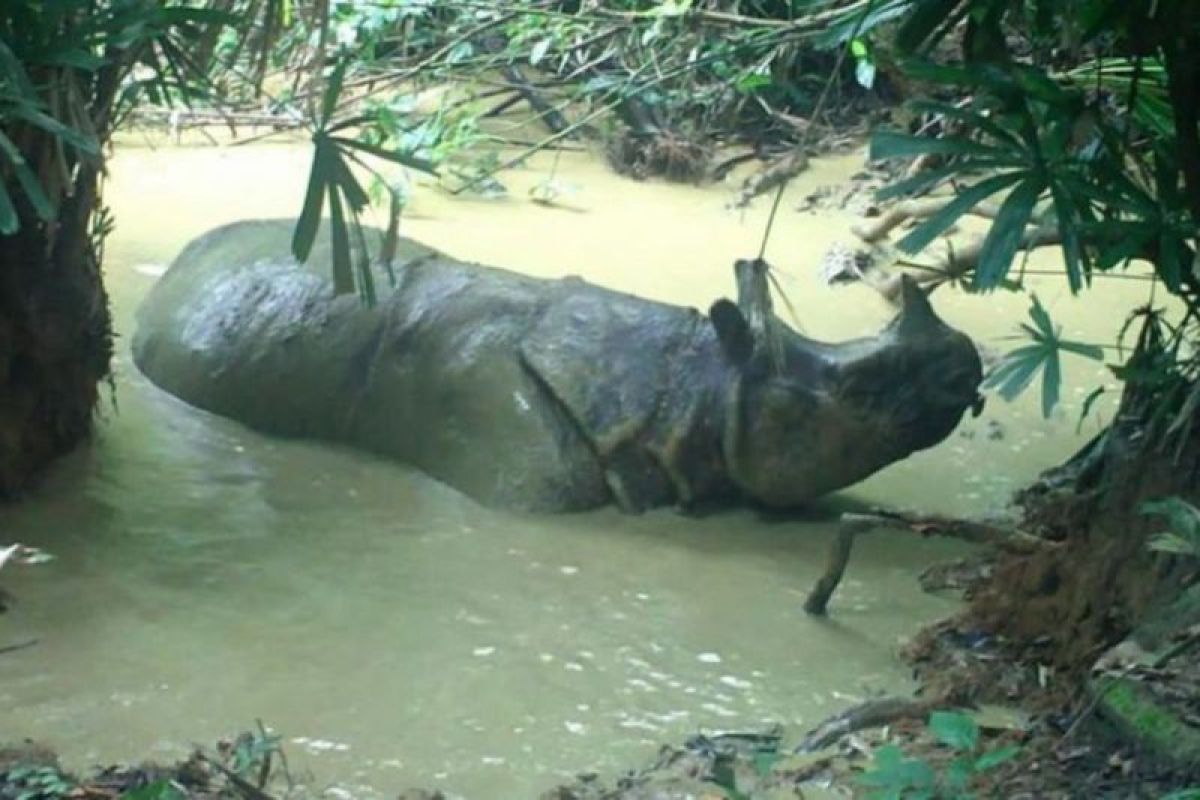
Jakarta (ANTARA) - The Forestry Ministry says it is stepping up efforts to conserve the Javan rhino (Rhinoceros sondaicus), including through translocations to the Javan Rhino Study and Conservation Area (JRSCA), which is located within Ujung Kulon National Park (TNUK).
TNUK Head Ardi Andono said in a statement received in Jakarta on Tuesday that several factors were affecting the endangered species in its natural habitat, including limited space and carrying capacity, as well as a decline in DNA quality caused by inbreeding.
“Inbreeding depression has caused some rhinos to become ill, and 55 per cent of females are infertile. There has also been a visible morphological change: rhinos’ legs, which are usually more than 30 centimetres long, now measure no more than 28 centimetres. The hypothesis is whether their morphology is becoming smaller or their life expectancy is declining,” Ardi said.
He added that, besides being genetically vulnerable, the wild Javan rhino population faced other major threats, including poaching, disease and the risk of volcanic eruptions and earthquakes, which have occurred in the past.
In the most recent poaching case, 10 Javan rhinos were recorded as having been killed. Legal proceedings in 2024–2025 resulted in seven poachers being sentenced to between 11 and 12 years in prison.
Javan rhinos are also vulnerable to anthrax and blood parasites, while the causes of some illnesses have yet to be fully identified. Without barriers separating individuals, a single outbreak could potentially spread throughout the entire population.
A previous operation successfully moved a male rhino named Musofa between 3 and 5 November 2025 without causing physical injuries. However, Musofa died two days later, on 7 November. A post-mortem examination by a pathology team from IPB University on 8 November found that he was 45 years old and had been suffering from a chronic infection.
Following a scientific review of Musofa’s case, the TNUK office completely overhauled its standard operating procedures for internal translocations, or transfers to strengthen conservation at the JRSCA.
Ardi said candidate selection would be stricter, targeting only individuals aged over six and under 25 whose ages had been verified through camera-trap records dating back to their birth. Priority would be given to females of Haplotipe 2 and males from Haplotipe 1 or 2.
The process would also shift to herding methods, with capture taking place in a large wooden enclosure, known as a boma, built directly in the forest.
“When a rhino enters the boma, veterinarians can immediately check its health and stress levels. It will then receive treatment and be quarantined so it can get used to its keeper and to people. Only once it is healthy and has adapted can it be moved to the JRSCA,” Ardi said.
Source: jawawa.id (https://jawawa.id/newsitem/forestry-ministry-steps-up-javan-rhino-conservation-at-ujung-kulon-national-parks-jrsca-1795510591)
Originally published by Antara (Indonesian) (https://www.antaranews.com/berita/5874687/kemenhut-perkuat-upaya-konservasi-badak-jawa-di-jrsca-tn-ujung-kulon), translated from Indonesian