
Forestry Ministry Pursues Legal Action Against Pangolin Trafficking Network in Central Java
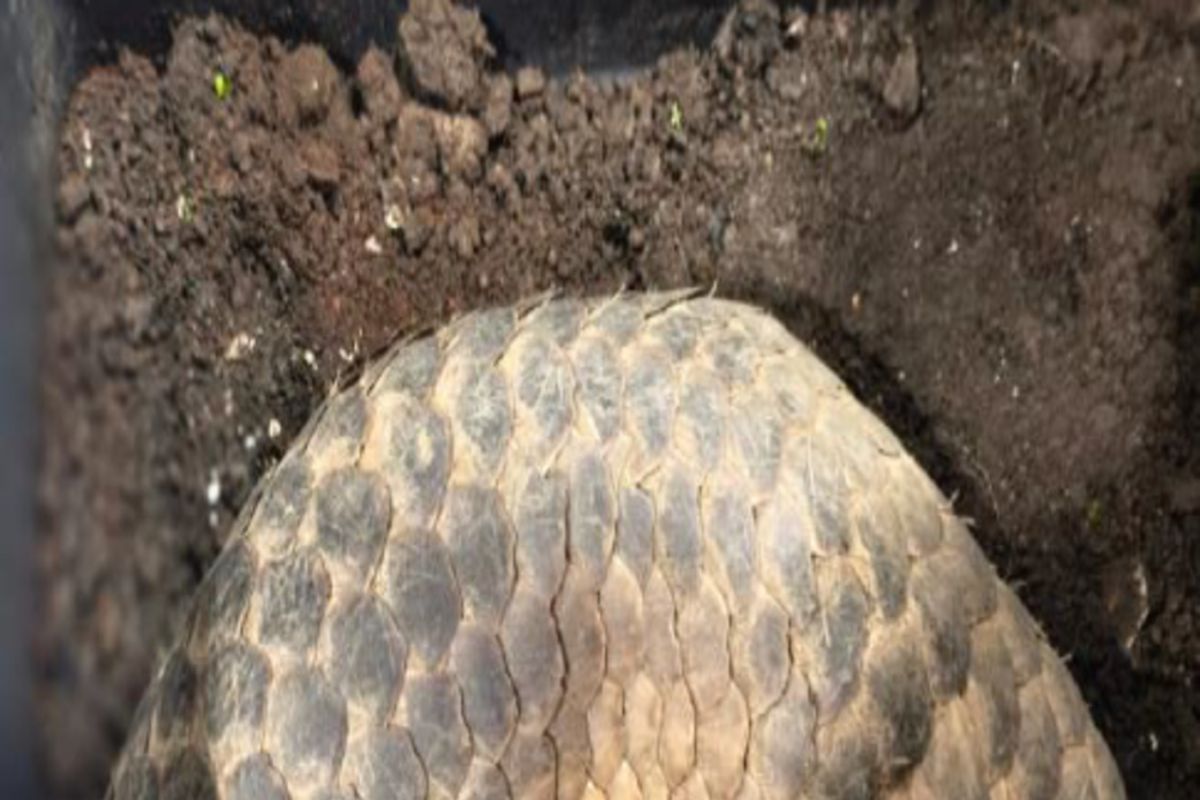
The Ministry of Forestry is continuing legal proceedings against EO in Central Java, who has been named a suspect in the trade of three live Javan pangolins (Manis javanica) and 20 kilograms of pangolin scales, as part of an expanding investigation into a smuggling network operating across multiple locations. According to a statement confirmed on Friday, Aswin Bangun, Head of the Forestry Law Enforcement Division for the Java, Bali, and Nusa Tenggara Region, said the naming of EO as a suspect in Semarang resulted from the development of investigations into pangolin trafficking, including the smuggling of 3,053 kilograms of pangolin scales through Tanjung Priok Port and 796.34 kilograms through Merak Port. ‘The investigation does not stop at the seizure of evidence or the arrest of perpetrators in the field, but continues to be developed to dismantle the chain of crime, from poachers, collectors, and holders, to suppliers, shippers, and the receiving networks abroad,’ Aswin stated. In the operation conducted by the Ministry of Forestry, EO was caught red-handed with three live pangolins and 20 kilograms of pangolin scales. Director General of Law Enforcement at the Ministry of Forestry, Dwi Januanto Nugroho, said in a similar statement that the illegal trade in pangolins is a crime against Indonesia’s biological wealth that has developed into a transnational threat. The Javan pangolin is a protected species whose population continues to be pressured by poaching and illegal trade. The animal is traded alive or hunted for its scales to meet demand in illegal domestic and international markets. ‘The Ministry of Forestry continues to develop every case to uncover the relationships between perpetrators, the flow of goods, shipping patterns, and the parties who control and profit from this illegal trade. Law enforcement is directed not only at stopping a single shipment but also at severing the networks that turn Indonesia’s biological wealth into a commodity on the international black market,’ Januanto said.