
Forestry Ministry prioritises social forestry access for the poor
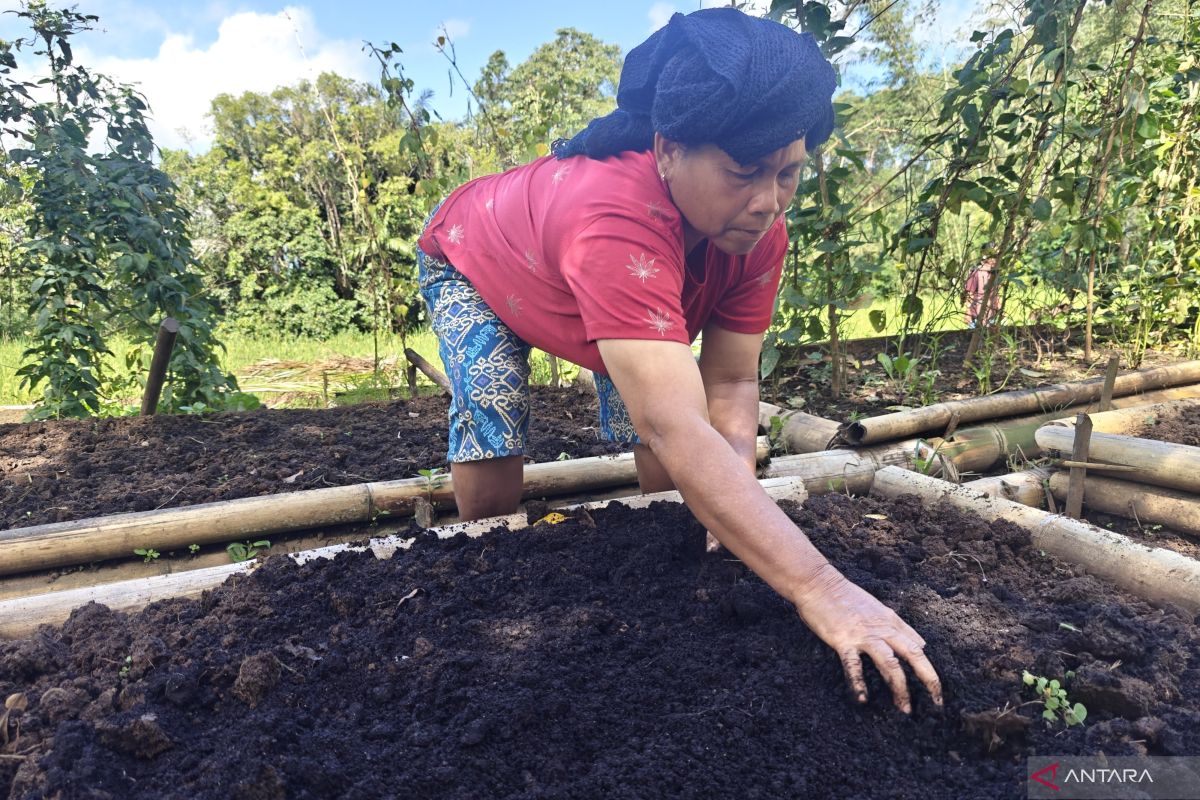
Jakarta - The Ministry of Forestry is prioritising access to the social forestry programme for communities categorised as extremely poor to near-poor living around forest areas.
Deputy Minister of Forestry Rohmat Marzuki stated during a working meeting with Commission IV of the House of Representatives in Jakarta on Thursday that the policy of expanding access is a concrete step to support the acceleration of national poverty eradication.
“In accordance with Presidential Instruction Number 8 of 2025 on the eradication of extreme poverty, the instruction from the President to the Minister of Forestry is to improve community empowerment access through social forestry prioritised for Deciles 1 to 4,” he said.
Rohmat explained that the target classification refers to the National Single Socio-Economic Data, where Decile 1 includes the extreme poor, Decile 2 the poor, Decile 3 the somewhat poor, and Decile 4 the near-poor group.
In addition to strengthening land access, the Ministry of Forestry has also proposed an additional budget of IDR 835.17 billion allocated specifically for stimulus programmes in the form of productive economic business assistance for community groups around forests.
Although the programme targets were not detailed, the Ministry of Forestry’s presentation showed that mapping results identified 25,468 priority villages located within forest areas. Rohmat added that the stimulus funds will be channelled to strengthen the capacity of social forestry business groups, provide intensive mentoring for forest farmer groups, and actively involve residents in forest and land fire prevention patrol systems.
Meanwhile, Commission IV member Dwita Ria Gunadi appreciated the Ministry of Forestry’s commitment to increasing its spending budget ceiling by 18.26 per cent from last year to stimulate green economic growth. However, she offered a critical note, urging the ministry to evaluate the structure of its programme budget ceiling, as the portion for internal management support is still deemed too dominant at 59.71 per cent.
“We urge that future budget allocations focus more on direct operational activities in the field that directly impact communities and forest sustainability,” she said.