
Forestry Ministry: Forestry Ministerial Regulation No. 6 of 2026 Accommodates Local Communities
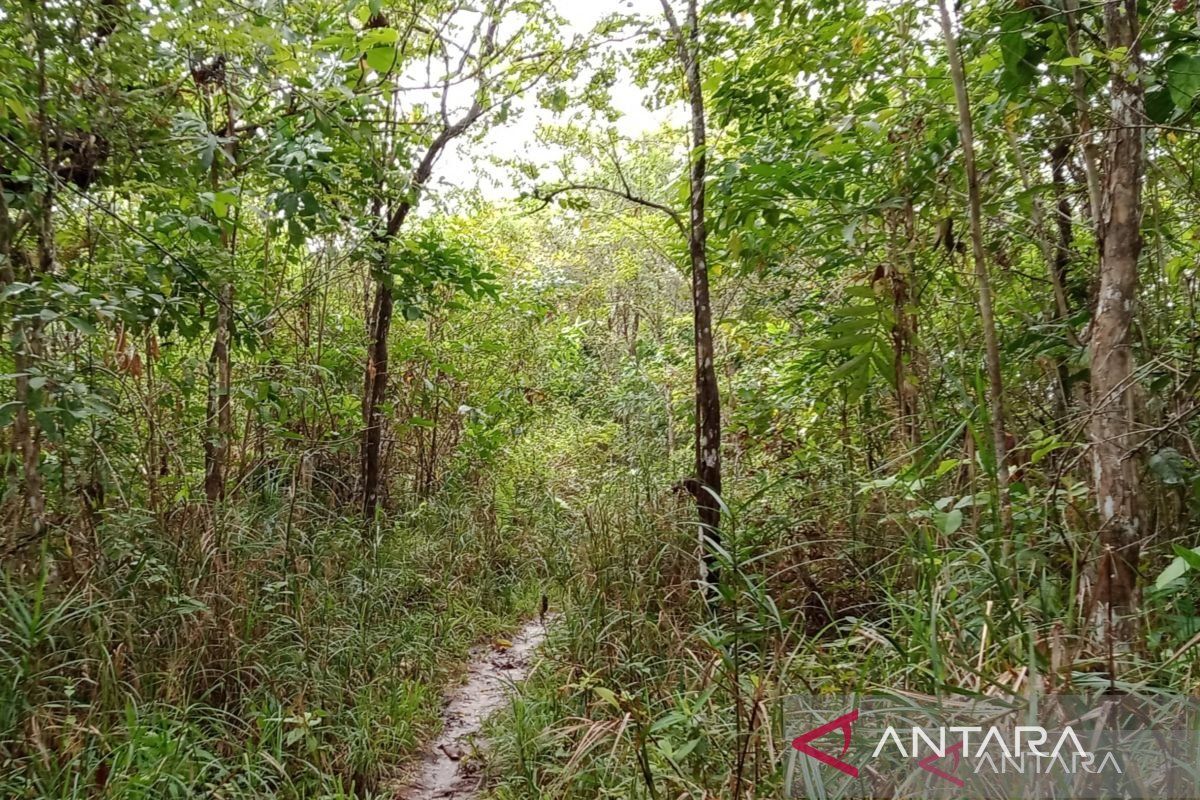
Jakarta (ANTARA) - The Ministry of Forestry (Kemenhut) has stated that Forestry Ministerial Regulation (Permenhut) No. 6 of 2026 on Procedures for Carbon Trading through Greenhouse Gas (GHG) Emission Offset Schemes in the Forestry Sector accommodates the interests of local communities.
“One of the most remarkable aspects is that we are providing conveniences to accommodate the interests of local communities, those around the forests. So now, to prepare a kind of proposal for developing carbon, these communities can be supported not necessarily by large company consultants, but also by individual consultants,” said the Head of the Public Relations and International Cooperation Bureau of the Ministry of Forestry, Ristianto Pribadi, in Jakarta on Tuesday (21/4).
According to him, the hope is that this will make it more affordable, so that the benefits from preparing carbon businesses can encompass and accommodate the needs of Indonesian communities, especially those around forest areas.
“The Indonesian government, in line with the directives of the President of the Republic of Indonesia, must be more open to various forms of collaboration, including for business development, especially in the forestry sector, which involves environmentally friendly businesses that can return the results of business operations to improve forest quality,” he said.
Forestry Minister Raja Juli Antoni, in a statement in Jakarta on Thursday, said that this regulation is an important step in promoting the green economy in Indonesia.
He added that Permenhut 6/2026 is a follow-up to Presidential Regulation No. 110 of 2025 to strengthen the implementation of carbon economic value (NEK) while supporting Indonesia’s emission reduction targets.
Through this regulation, the government is making fundamental changes in the management of carbon trading in the forestry sector, one of which is by preparing a clearer roadmap, from emission reduction targets, the area involved, to achievement strategies to align with national commitments in addressing climate change.
In addition, the regulation expands who can participate in carbon trading, not only companies, but also social forestry groups, indigenous peoples, community forest owners, and carbon environmental service managers can now be involved.