
Forestry Ministry and BRIN collaborate on plant bioprospecting
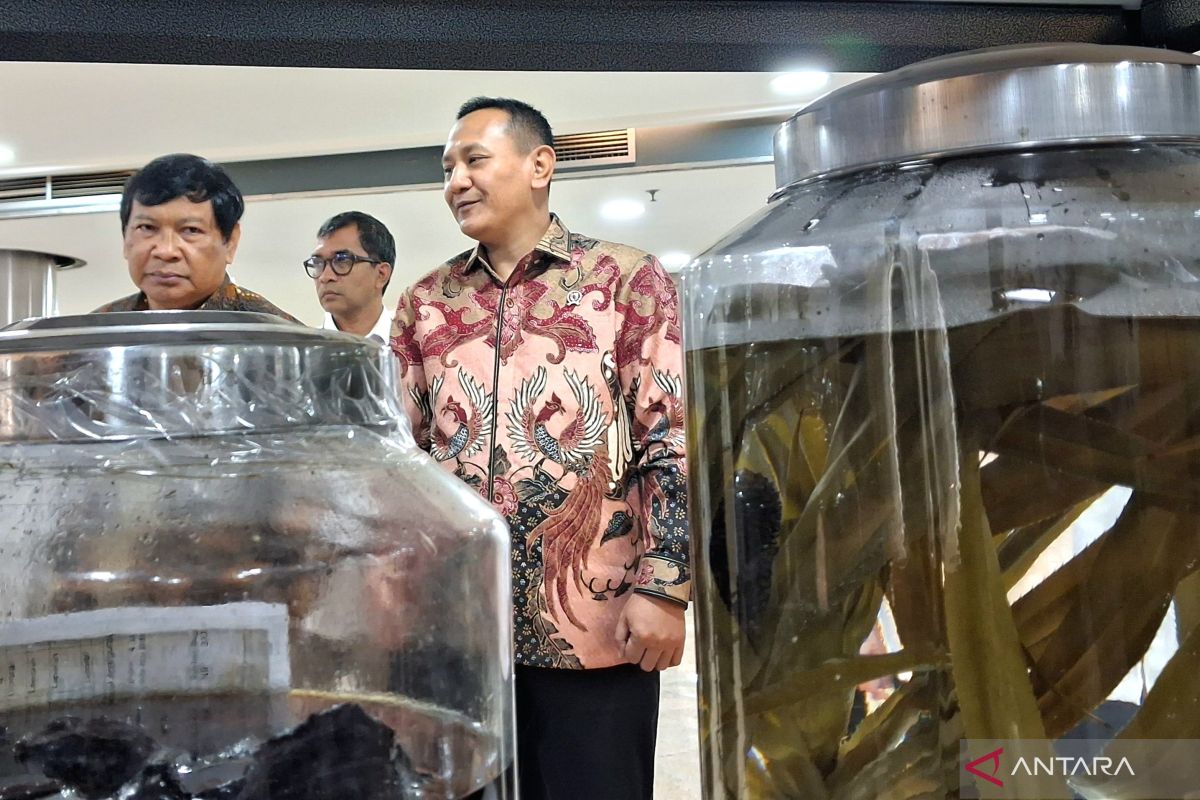
Indonesia has significant potential for developing high-value plant bioprospecting to meet various needs including pharmaceuticals, cosmetics, food, bioenergy, biomaterials, and other natural-based products.
Jakarta (ANTARA) – The Ministry of Forestry (Kemenhut) is collaborating with the National Research and Innovation Agency (BRIN) to explore natural biological resources commercially from plants for products ranging from medicines to cosmetics.
“Indonesia has significant potential for developing high-value plant bioprospecting to meet various needs including pharmaceuticals, cosmetics, food, bioenergy, biomaterials, and other natural-based products. Many tropical forest plants in Indonesia contain potential bioactive compounds that have yet to be thoroughly researched,” said Deputy Minister of Forestry Rohmat Marzuki, representing Minister Raja Juli Antoni, at the launch of new plant species discoveries at BRIN’s headquarters in Jakarta on Monday.
Rohmat stressed that new species discoveries could open opportunities for further research into bioprospecting.
Through collaboration with BRIN, universities, and researchers, several plant species in conservation areas containing active compounds have been identified and are being developed into bioprospecting products.
The Deputy Minister added that the world is now developing innovative financing instruments for conservation, including biodiversity credits, which present new opportunities for Indonesia to secure performance-based conservation funding, particularly for high-biodiversity areas.
“If managed credibly, measurably, and scientifically, biodiversity credits can incentivise habitat protection, ecosystem restoration, sustainable landscape management, and support the welfare of communities around forests,” Rohmat said.
On 21 May 2025, the Ministry of Forestry and BRIN signed a cooperation agreement to strengthen biodiversity conservation functions through research for sustainable use, aiming to implement exploration and research that supports policy development and management of natural biological resources and ecosystems.
Meanwhile, BRIN Chief Arif Satria highlighted the importance of botanical gardens for both area and genetic conservation, particularly for protecting endangered flora.
“That is why botanical gardens are important for conservation collections. There is area conservation and genetic conservation. So, we will develop this to collect and store BRIN’s genetic materials,” Arif said.