
Forestry Minister Deemed Capable of Building New Foundation for Elephant Conservation
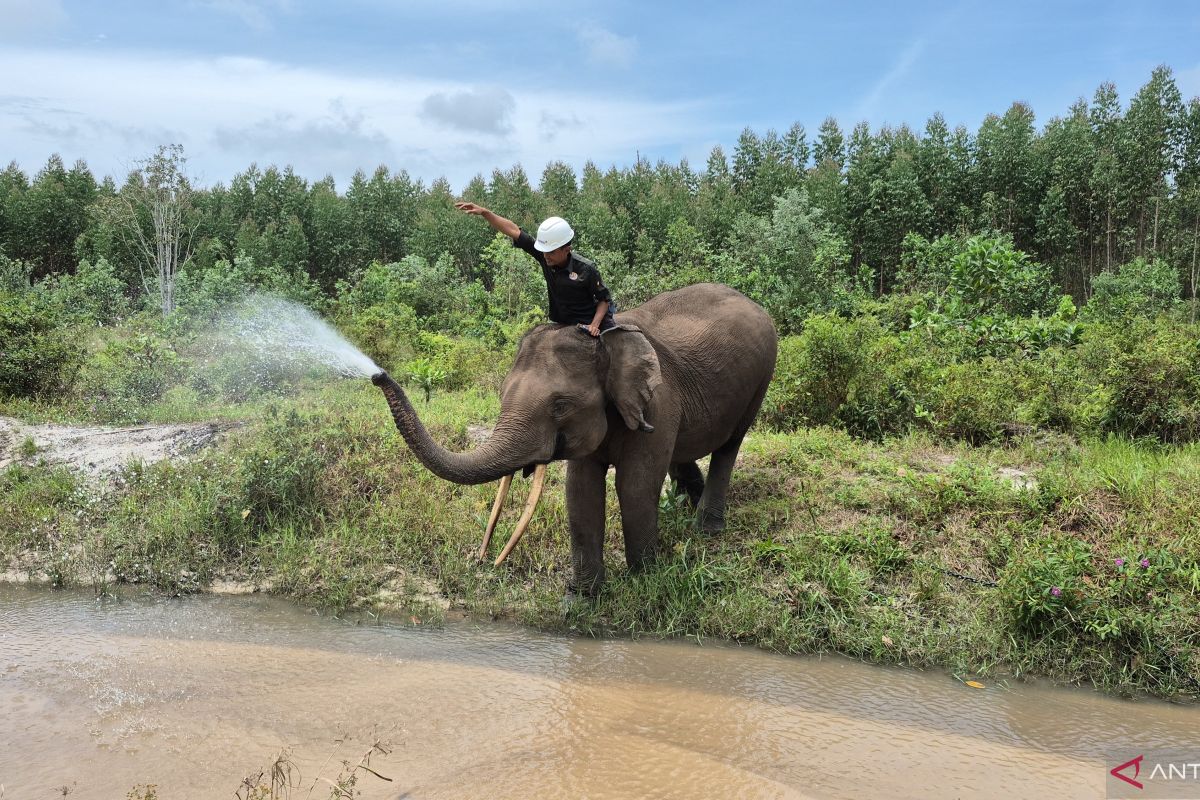
Jakarta (ANTARA) - Forestry Minister Raja Juli Antoni is considered capable of building a new foundation for collaborative national elephant conservation following the issuance of Presidential Instruction (Inpres) Number 8 of 2026 on the Acceleration of Elephant Protection.
Wahdi Azmi, a member of the IUCN SSC Asian Elephant Specialist Group (AsESG), said that through the instruction, Forestry Minister Raja Juli is deemed to have established an important milestone in strengthening wildlife conservation in Indonesia by bringing fundamental change to the country’s elephant conservation approach.
“Through this Inpres, President Prabowo Subianto has given a very clear direction that protecting elephant populations and habitats is a national development agenda requiring the involvement of all ministries, agencies, regional governments, the business community, academics, and society. This is a very fundamental paradigm shift for the future of elephant conservation in Indonesia,” Wahdi said in a statement issued in Jakarta on Friday.
According to Wahdi, this paradigm shift aligns with the vision Forestry Minister Raja Juli has long been building in wildlife management, particularly for elephants. Raja Juli’s consistency in promoting a conservation approach that is no longer carried out piecemeal, but is landscape-based and involves multiple parties.
“From the outset, he pushed for the protection of elephant population pockets in a comprehensive, systemic, and landscape-based manner. The issuance of this Inpres is a concrete reflection of that policy direction, namely ensuring all elephant population pockets receive integrated protection through cross-sector cooperation,” he said.
Indonesia already has Presidential Instruction Number 1 of 2023 on Mainstreaming Biodiversity in Sustainable Development, Law Number 32 of 2024 which introduces the Preservation Area instrument, and the President’s policy on innovative financing for national park management.
“All of these instruments form an increasingly strong policy foundation to protect elephant habitats, strengthen landscape connectivity, support forest area planning, optimise the recovery of areas secured through enforcement, promote wildlife-friendly infrastructure development, and develop sustainable conservation financing,” he said.
On the implementation side, Wahdi continued, the Forestry Ministry, together with the Indonesian Elephant Conservation Forum and various stakeholders, is finalising the drafting of the Conservation Strategy and Action Plan (SRAK) for the Sumatran Elephant and the Kalimantan Elephant as a guide for implementing the Inpres.
“At the same time, we also have major work ahead in ex-situ elephant management. Going forward, the ex-situ conservation strategy must be designed as an inseparable part of the in-situ strategy (ex-situ linked to in-situ), so that all conservation components work within one complete system, with the ultimate goal of ensuring elephant populations remain sustainable in their natural habitats,” he said.