
Forestry Minister affirms Sumatran floods serve as evaluation of forest governance
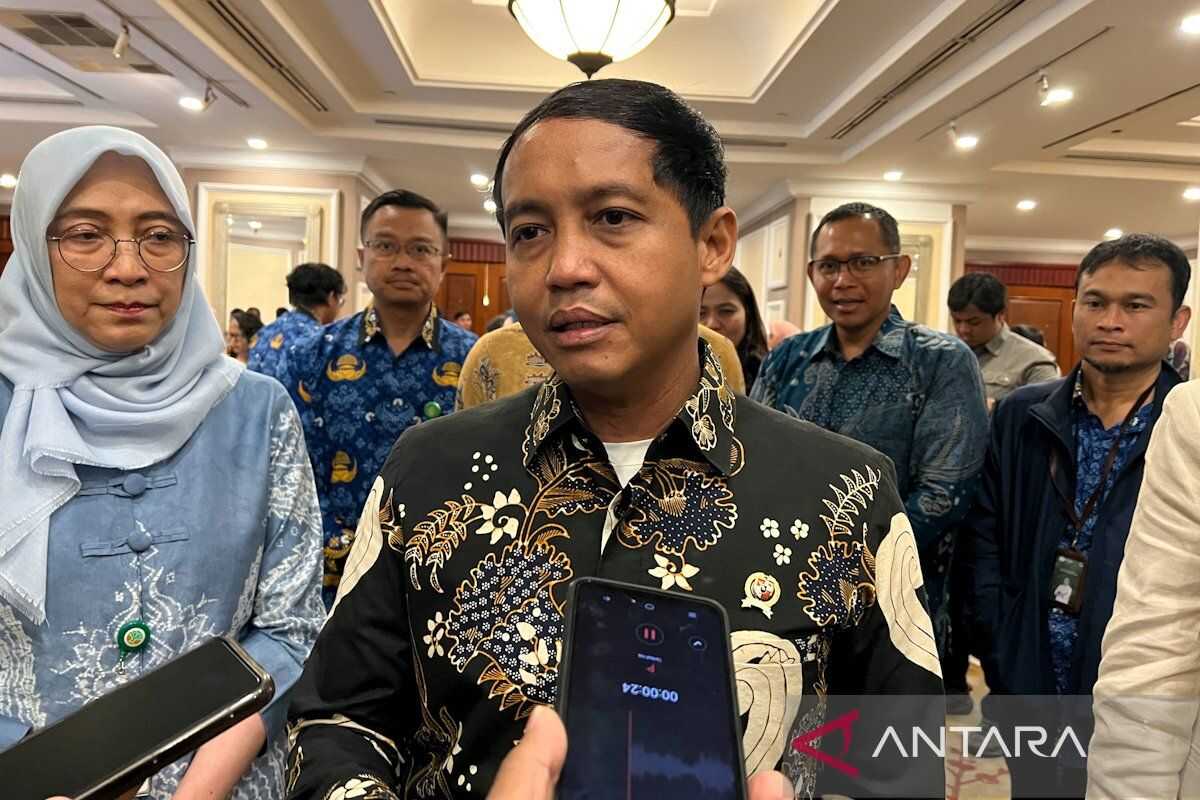
Jakarta (ANTARA) - Forestry Minister Raja Juli Antoni has affirmed that the flash flood disasters in Aceh, North Sumatra and West Sumatra serve as a fundamental evaluation of national forestry governance, with the aim of making forest management more effective.
“For me and my colleagues in the forestry sector, this event is an extremely harsh wake-up call that obliges us all to conduct a fundamental evaluation of our forestry governance, our forest governance,” the Minister said at a Lesson Learned Workshop entitled “Moving from the Ground: Sowing Inclusive Social Forestry for Sustainable Forests and Prosperous Communities” in Jakarta on Thursday.
He noted that in recent months his ministry had recorded various advances in reforming the forestry sector, even before the disasters struck. However, the flood events have become a moment of reflection and an impetus to accelerate fundamental evaluation of national forest governance.
“Once again, with these disasters serving as a whip to drive us to improve the forestry sector even further,” he said.
He assessed that the primary challenge lies in the disparity between the vast extent of forest areas and limited resources. Of a national total of approximately 125 million hectares of forest land, security is supported by only around 4,800 forestry police, some of whom have reached an age where they are no longer productive.
With those numbers, each forestry police officer must on average oversee approximately 25,000 hectares of forest. This situation was deemed virtually impossible for guaranteeing optimal protection against potential violations and damage to forest areas.
In Aceh, for example, forest areas reach approximately 3.5 million hectares with a forestry police force of just 63 officers. Similar imbalances also occur in other provinces with large forest areas and limited personnel.
He also highlighted conditions in Bengkulu, which has approximately 900,000 hectares of production forest and protected forest under provincial responsibility, yet receives extremely minimal security budget support.
The regional autonomy structure positions forestry affairs as an optional authority, meaning budget allocations from regional governments are frequently limited and disproportionate to the size of the areas being guarded.
These limitations in human resources and fiscal support, he said, make forest security difficult if reliant solely on the government. For this reason, public participation and multi-stakeholder collaboration are key to strengthening forest protection.
He affirmed that the disaster momentum must be utilised as a turning point for carrying out structural reform, strengthening institutional capacity, and building broader synergies to safeguard national forest sustainability.