
Forest Fires Spread in Tanjung Puting National Park, Central Kalimantan, Threatening Orangutan Habitats
Forest and land fires (karhutla) are currently ravaging the Tanjung Puting National Park located in Central Kalimantan Province. The fires, which affect Indonesia’s first orangutan conservation centre, had not been fully extinguished as of Thursday (10/9). The burnt area has expanded to reach 3,105 hectares.
The Head of the Tanjung Puting National Park (TNTP) Office, Yohan Hendratmoko, stated that approximately 70 personnel from a joint team have been deployed to extinguish hotspots within the TNTP area. These hotspots include Teluk Pengarangan/Kumai, Teluk Pulai, and Sungai Cabang in West Kotawaringin Regency, as well as Sungai Perlu in Seruyan Regency.
“The focus of the handling is to prevent the fire from spreading to wider areas in the Kobar and Seruyan regions,” said Yohan, as quoted on Friday (11/9).
According to TNTP Office data as of 9 September 2026, the fires are spread across three resort areas. The largest area is in the Sungai Cabang Resort, SPTN Region III Tanjung Harapan, with an affected area of approximately 1,113 hectares, identified on 30 August 2026. This is followed by the Teluk Pulai Resort, SPTN Region III Tanjung Harapan, which has been affected by fires covering 1,062 hectares since 7 August 2026. Additionally, the Sungai Perlu Resort, SPTN Region II Kuala Pembuang, Seruyan Regency, has been affected by approximately 929 hectares, known since 26 August 2026.
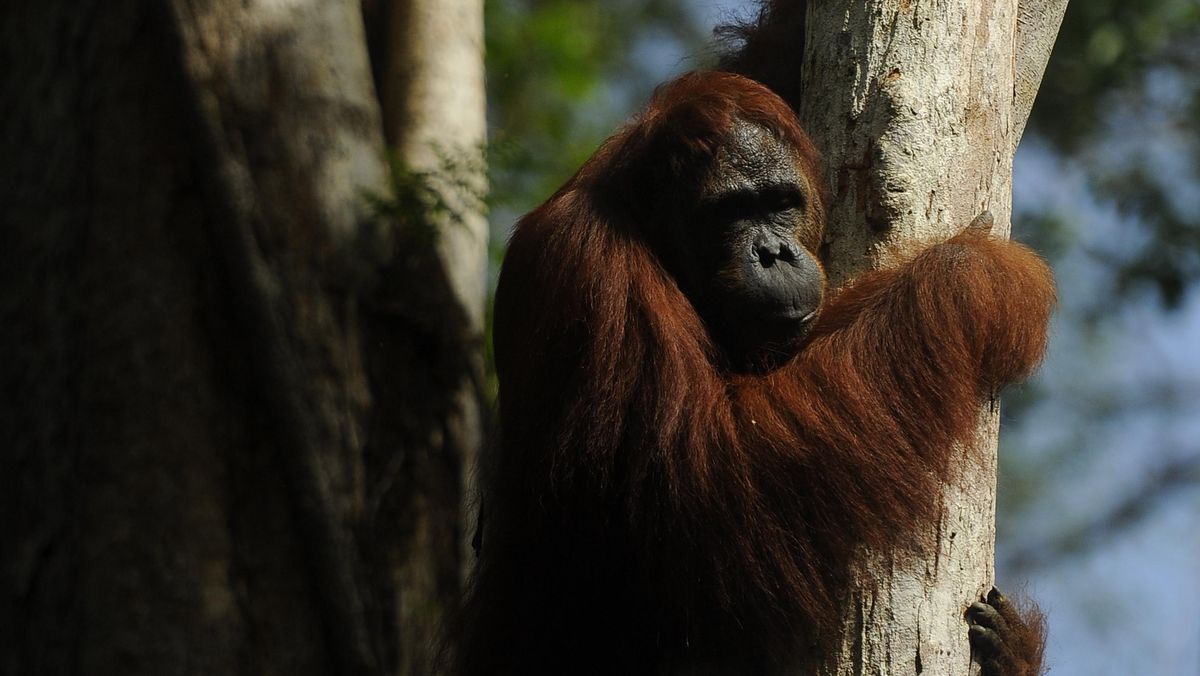
The expanding fires threaten the habitats and protected wildlife within the park, including the Bornean Orangutan (Pongo pygmaeus). TNTP is widely recognised as a vital conservation area for the survival of this species.
The firefighting process is hindered by difficult access to the locations, limited personnel, and the fact that the burnt areas consist of peatlands with depths ranging from 0.5 to 4 metres. Peatlands can trap fire beneath the surface, causing the extinguishing process to require intensive handling and time.
“Extinguishing the fire faces heavy challenges. In addition to limited access to the locations, officers also face limitations in personnel as well as supporting facilities and infrastructure,” he said.
Consequently, Yohan hopes to receive assistance through water bombing to accelerate the firefighting process. “We request assistance with water bombing to help the extinguishing process and prevent more widespread forest fires,” Yonder added.
The Regent of West Kotawaringin, Nurhidayah, stated that the focus of the firefighting efforts is on areas with high conservation value, namely TNTP and the Danau Masorain Forest area. Both areas serve not only as habitats and orangutan rehabilitation centres but also as zones for research and conservation development.
“Both areas, in addition to orangutan rehabilitation, serve as places for research development. Both orangutans and humans are equally important to be saved from these forest fires,” said Nurhidayah.