
Forest Fire Hotspots in Central Kalimantan Increase by 876, Visibility Drops to 1km
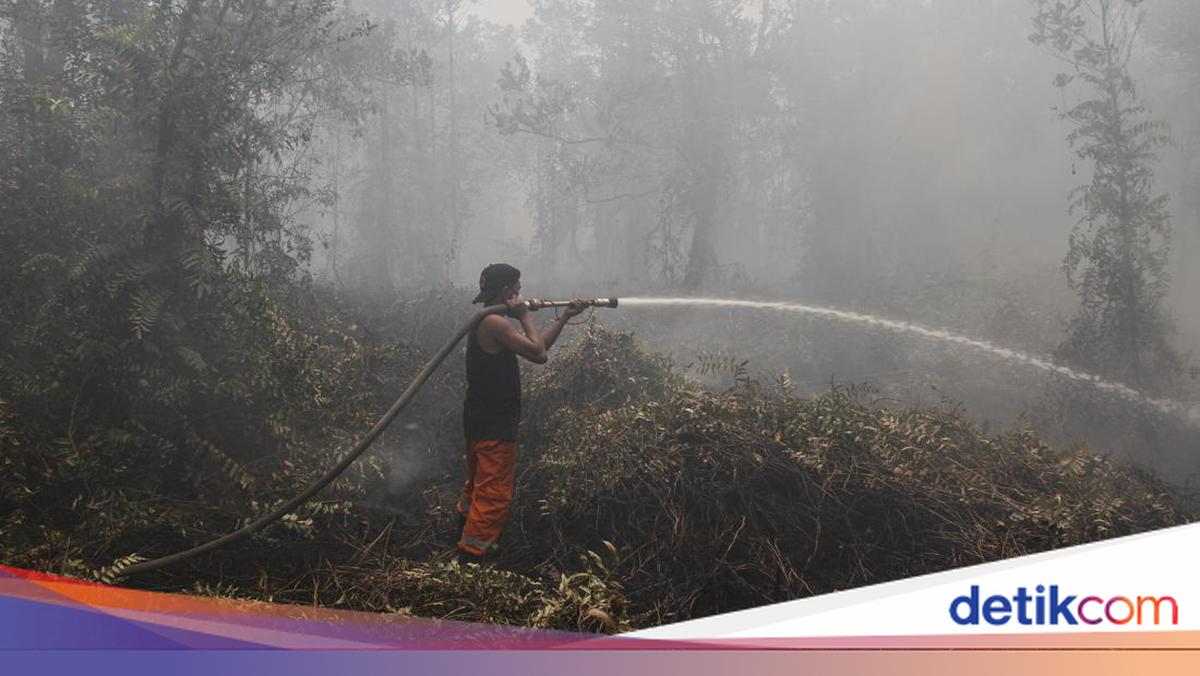
The National Disaster Management Agency (BNPB) has provided an update on the development of hotspots and fire points across six provinces affected by forest and land fires. The most significant increase has occurred in Central Kalimantan.
Berton SP Panjaitan, Acting Head of the BNPB Data and Information Centre, initially reported that hotspots have also increased in West Kalimantan, bringing the total to 3,824 hotspots in the province. “In West Kalimantan, we observed that hotspots increased yesterday and again today, reaching 453 hotspots. However, fire points decreased from 23 to 16,” Berton stated during a BNPB press conference on Sunday (30/08/2026).
Furthermore, hotspots have increased in the Central Kalimantan region. Berton noted that hotspots increased by 876, bringing the total to 5,391 in this province. “However, in Central Kalimantan, hotspots increased by 876, whereas in South Kalimantan, they decreased by 279. Visibility is relatively low, between 1 to 1.5 kilometres,” he said.
Berton added that hotspots only decreased in South Kalimantan by 27ly, falling to 1,077 points. In that province, fire points also decreased to 52. “We hope this trend can be replicated in other provinces. Similarly, in Central Kalimantan and South Kalimantan, fire points have decreased,” he remarked.
Berton also provided updates on forest fire situations in Sumatra. He reported that hotspots decreased to 264 in Riau Province. “In Riau, we recorded a decrease of one hotspot, but fire points increased by 5 to a total of 12, with visibility at only 5 kilometres,” Berton stated.
In South Sumatra, hotspots decreased significantly by 215 points, though fire points increased by 8 to reach 18. Visibility in the area is reported at 2.4 kilometres.
In Jambi Province, Berton noted that fire points increased by 23. Visibility in this province is currently around 3.5 kilometres. “In Jambi, hotspots increased to 135, while fire points remained at 4, with visibility at approximately 3.5 kilometres,” he concluded.