
Forest Fire Haze Affects Health, Legislator Urges Stronger Public Protection
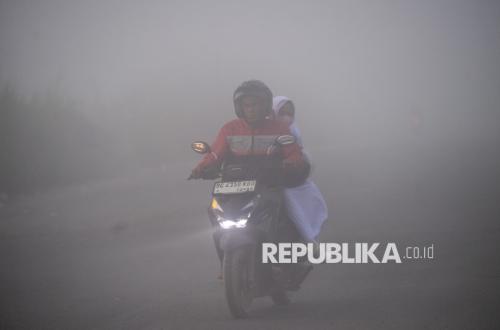
REPUBLIKA.CO.ID, JAKARTA – Forest and land fires (karhutla) occurring in several regions of Indonesia have also affected air quality and public health. Obet Rumbruren, a member of Commission IX of the Indonesian House of Representatives (DPR RI), has urged the strengthening of public health protection, particularly for vulnerable groups, during the fire season.
Obet Rumbruren, a member of Commission IX from the PDI Perjuangan faction, said haze from the fires contains fine particulates, carbon monoxide and a number of pollutants that can affect the health of communities in affected areas.
“Direct exposure to forest fire haze increases the risk of respiratory and other health problems,” Obet said in a statement on Monday (7/9/2026).
According to Obet, exposure to the haze can trigger a number of health complaints, such as coughing, shortness of breath, sore throat, asthma, eye irritation and skin irritation. These risks require particular attention for children, the elderly, pregnant women and people with respiratory conditions.
Obet therefore urged the public to remain vigilant when air quality deteriorates. Outdoor activities should also be adjusted, particularly for vulnerable groups.
Those who must engage in outdoor activities are advised to wear adequate masks. Residents experiencing respiratory symptoms are also encouraged to seek medical attention at health facilities promptly.
Obet said public health protection must proceed in tandem with fire control efforts. The readiness of health facilities and personnel, along with air quality monitoring, is considered essential to help communities cope with the impact of the haze.
“Prevention of forest and land fires at the source remains the primary key. However, protecting the health of communities already exposed must be an immediate priority,” he said.
He also urged the public to follow air quality information from official sources. With such information, residents can adjust their activities and take necessary protective measures when air quality declines.